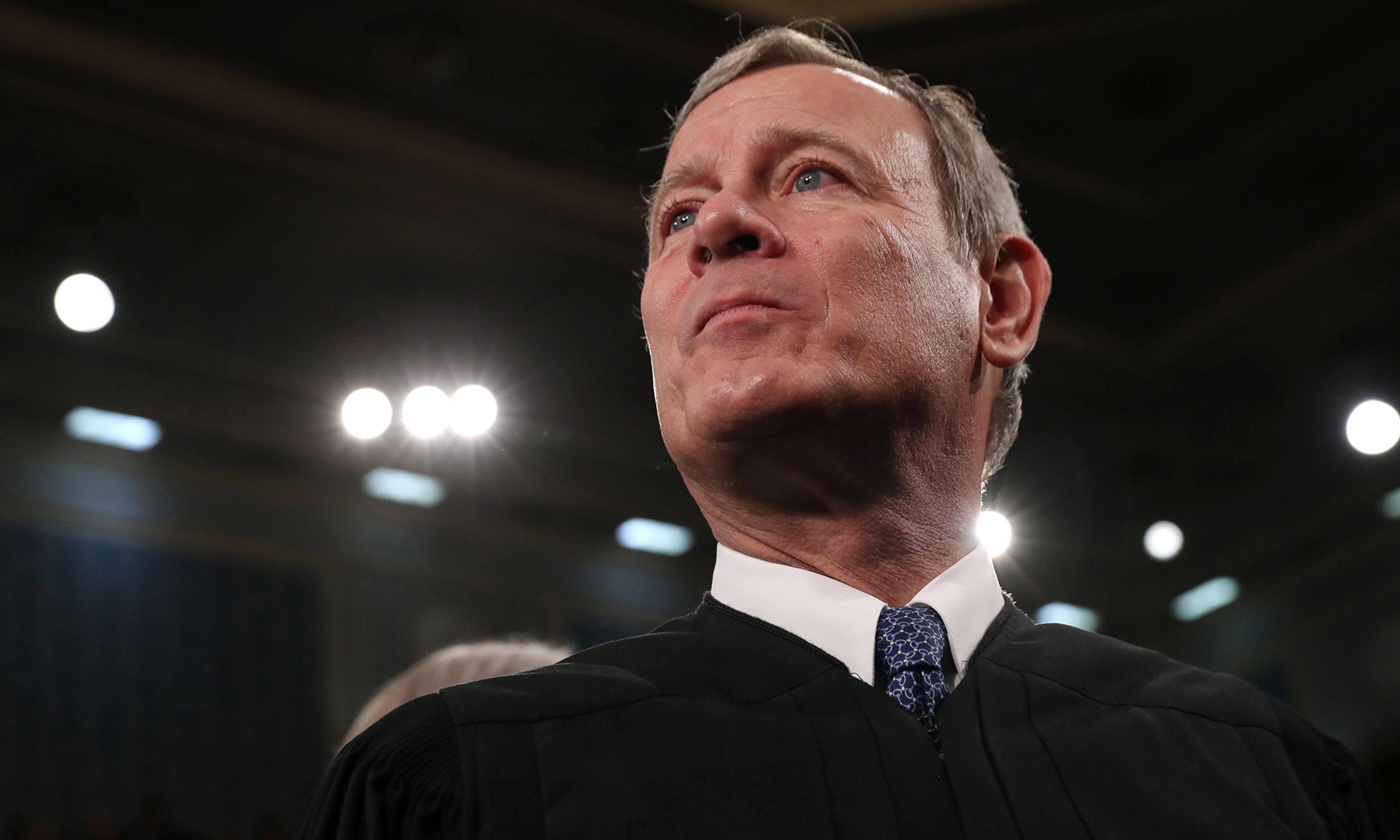
The history that Democrats tell themselves about Franklin D. Roosevelt’s attempt at Court-packing is that it worked after all, because it acted as an effective threat. The Court had been striking down a variety of New Deal programs FDR believed essential to national recovery from the Great Depression. The administration convinced itself that a Republican-dominated Court would destroy them. And they concocted a pretext for their ideologically motivated expansionism: “overcrowded federal court dockets.”
FDR’s bill for judicial reform went down as an embarrassing legislative defeat and example of overreach for the president. But almost immediately, a series of rulings beginning with West Coast Hotel v. Parrish seemed to demonstrate that Justice Owen Roberts had changed definitively from a swing vote that often went against the president’s programs to a swing vote in favor of them. Justice Roberts, consciously or not, was saving the Court from the resentment of FDR and the populace at large, it is explained.





Comments