As president, Joe Biden has, with some exceptions (aiding Ukraine, for instance), largely pressed forward with a protracted retreat from America’s traditional role on the world stage. We’re beginning to see the rotten fruits of this fateful posture.
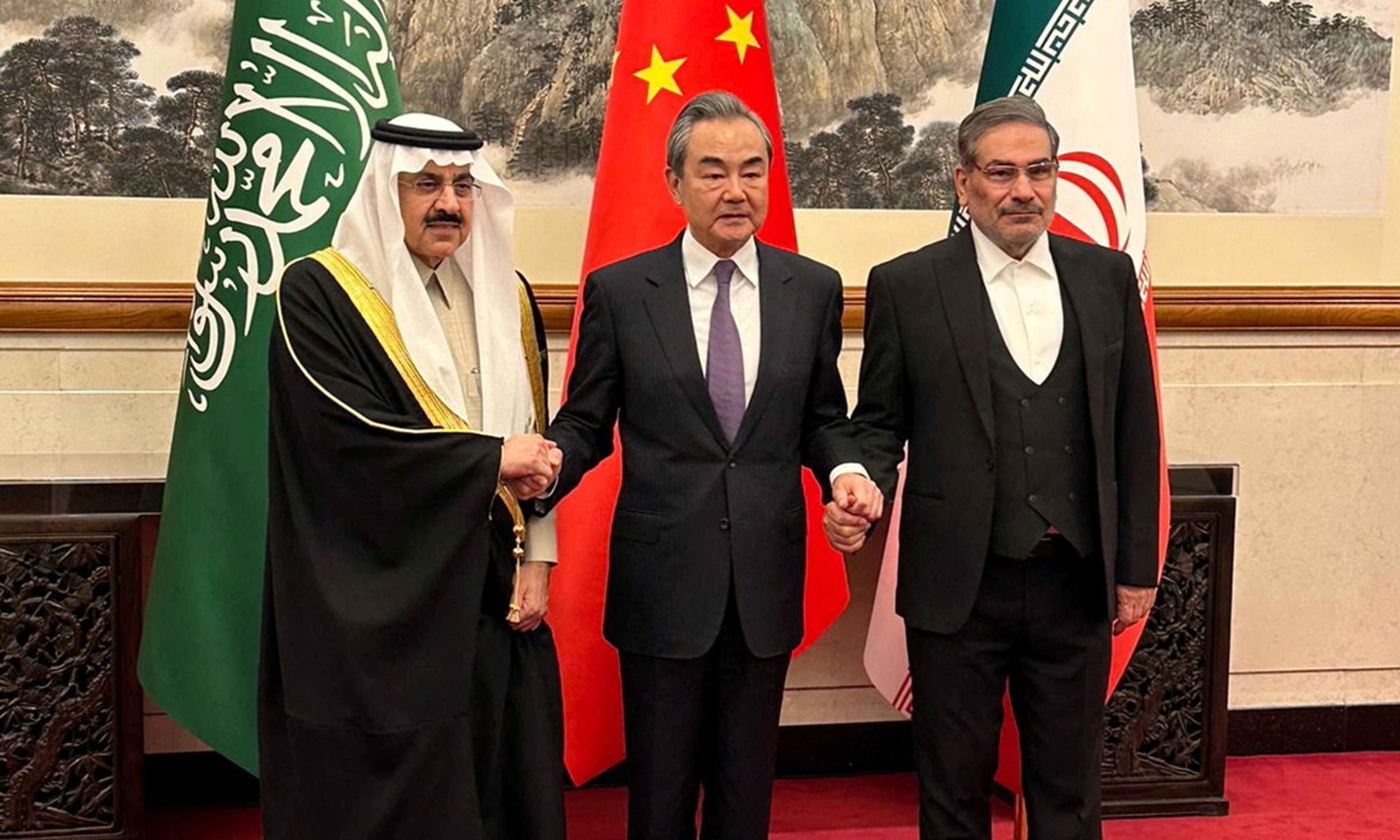
Last Friday, Saudi and Iranian officials announced the restoration of diplomatic relations per an agreement negotiated by Beijing, mending the yearslong rift between the two regional powers. This deal is a major setback for our foreign-policy objectives. It is also a setback for Israel, our closest ally in the region, which will have to contend with the fact that its long-sought-after partner and its biggest foe now have closer ties. It is also a reminder that the policy of disengagement from the region, and the wider world, of the last three U.S. presidential administrations has been an abject failure.





Comments