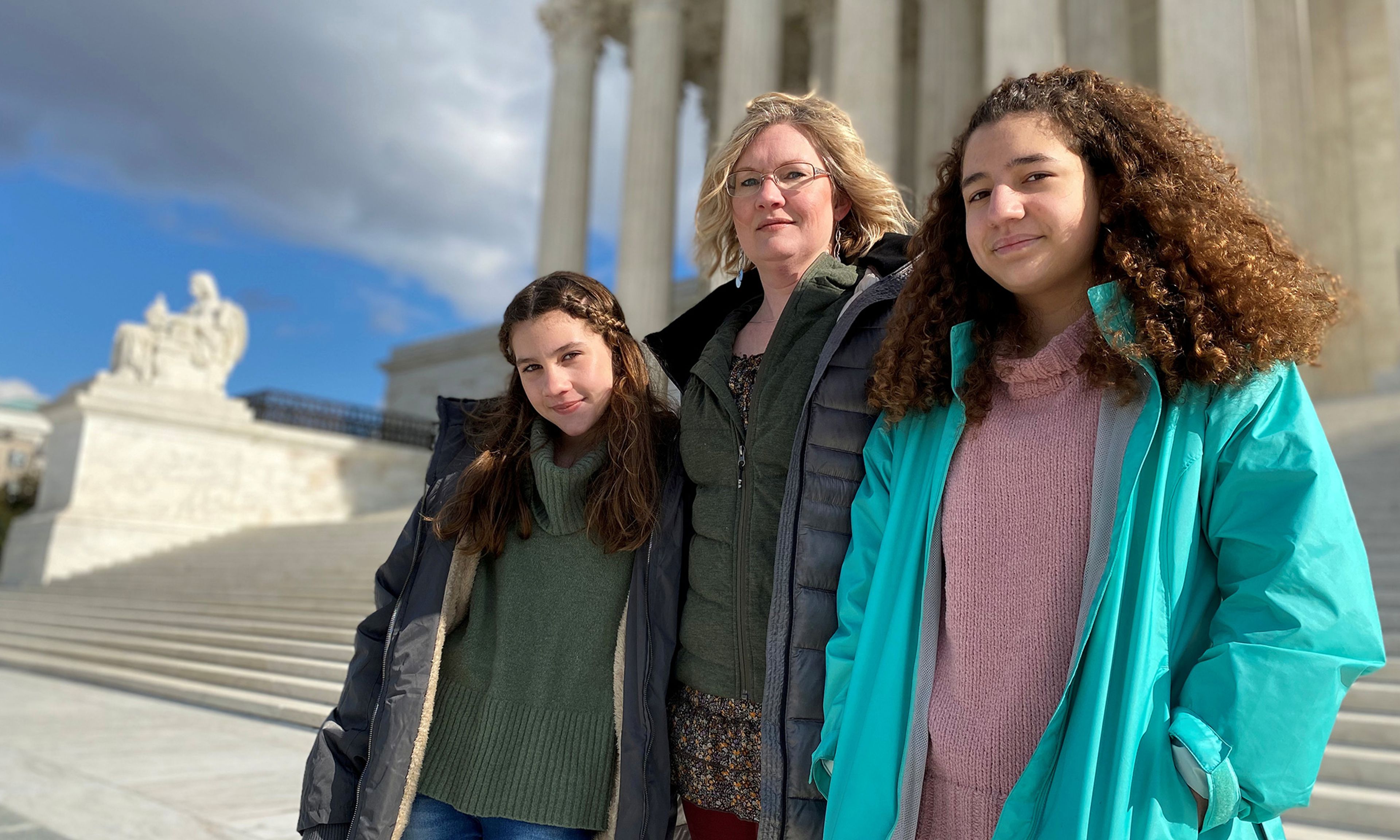
Today’s Supreme Court decision in Espinoza v. Montana Department of Revenue, allowing Montanans to use generally available private-education tax credits for religious as well as non-religious schools, really should not have been a hard one. The Court’s precedents since the 1940s have increasingly defended the right of religious believers and institutions to receive government aid on an equal footing with non-religious people and institutions. While Chief Justice John Roberts’s reasoning in Espinoza was characteristically modest, the case also likely marks a long-overdue death blow to openly anti-Catholic Blaine amendments adopted by many states in the 1870s and 1880s and defended by anti-religious progressives and public-school teachers’ unions to this day. What should be shocking is that the decision was 5–4.
Anti-Catholic Bigotry





Comments