‘Separate but Equal’ Is Still Wrong — and Illegal

Seventy years after the Supreme Court struck down racial segregation in education, it’s somehow making a comeback.

Share this story

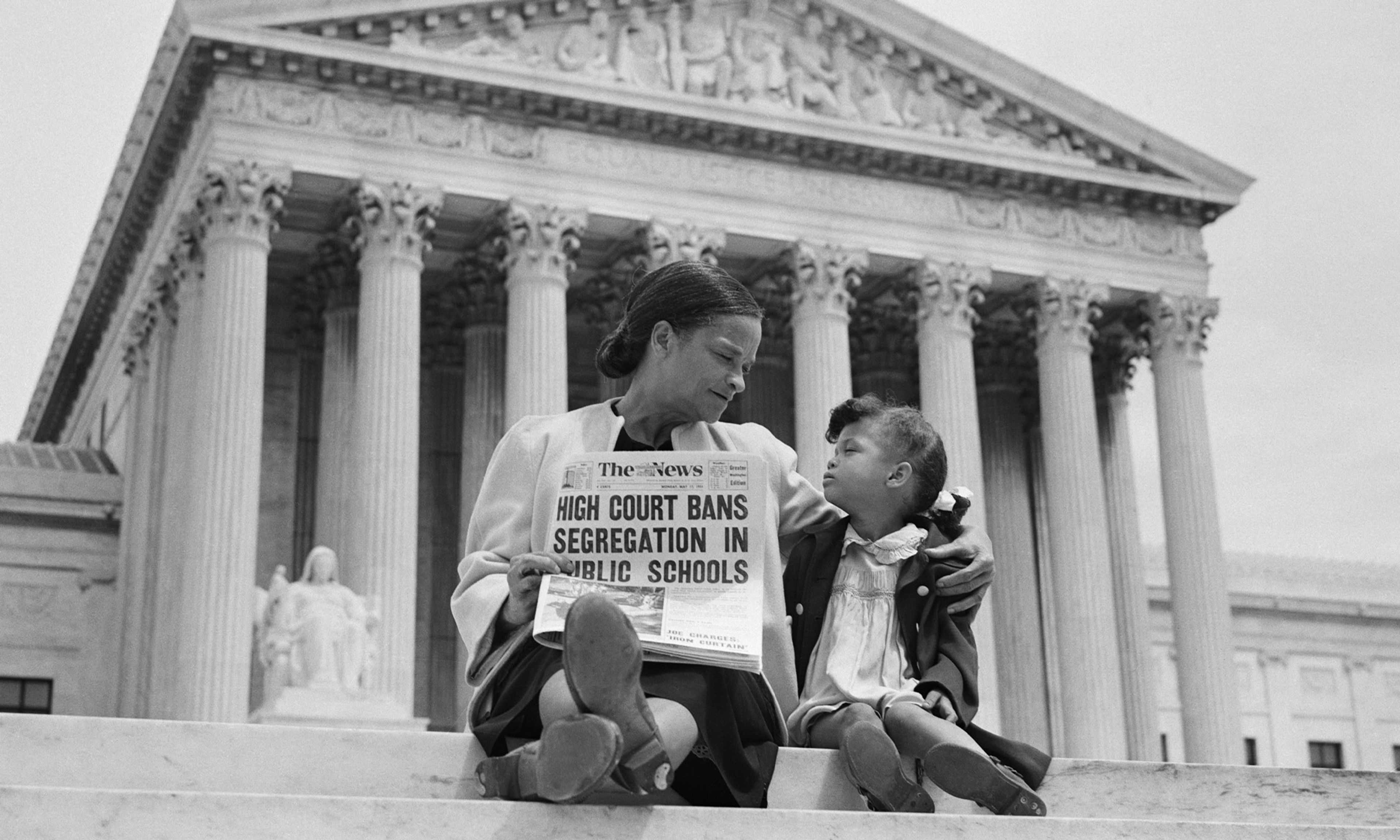
Nettie Hunt and her daughter Nickie sit on the steps of the U.S. Supreme Court after the ruling in Brown v. Board of Education, May, 1954.

UPI/Bettmann via Getty Images

This year marks the 70th anniversary of the landmark Supreme Court case of Brown v. Board of Education. For the past 70 years, race discrimination in public schools has been illegal and unconstitutional. In some cases, even the National Guard has been called out to enforce the law.

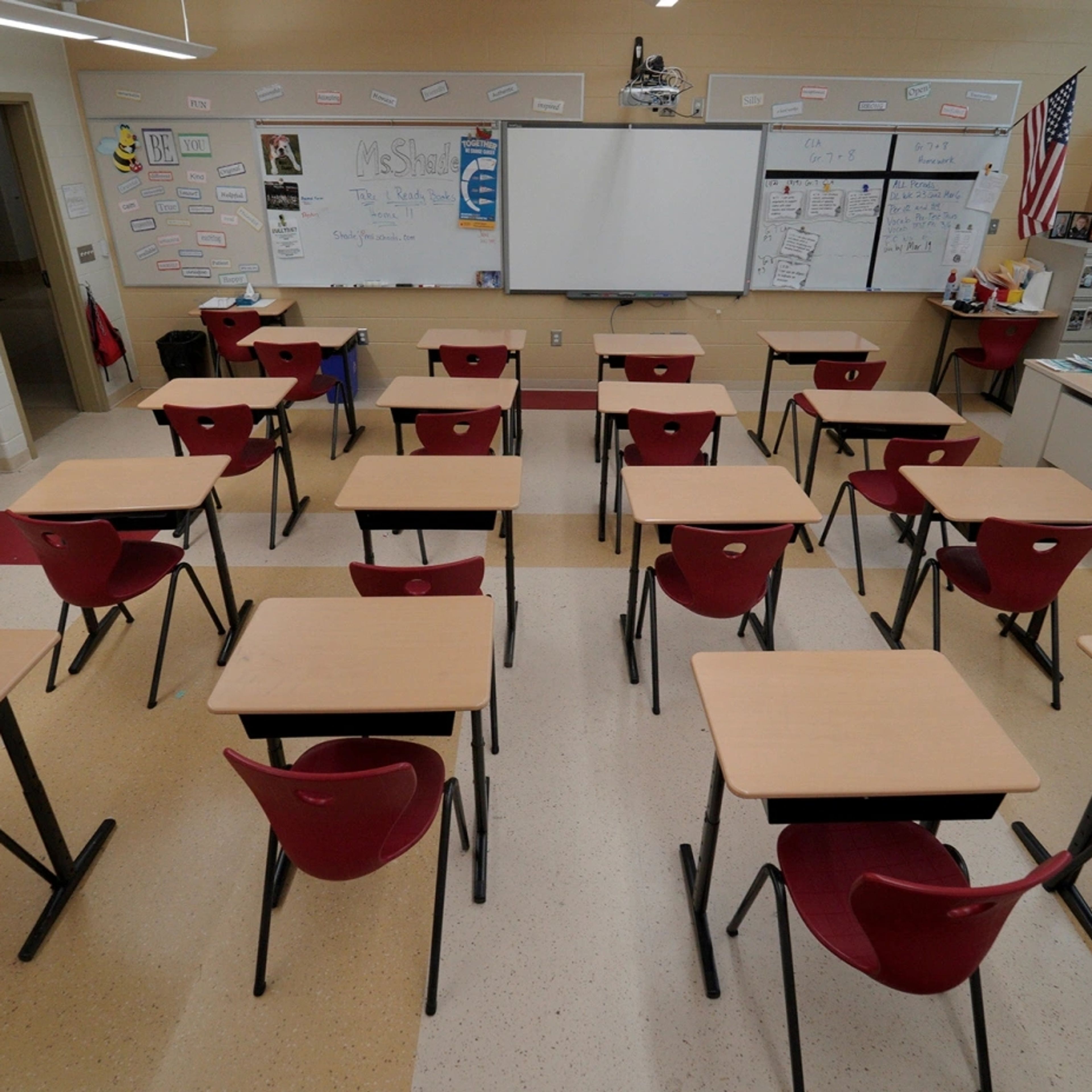
But in Evanston, Ill., it’s still a pre-Brown world. As reported elsewhere last year, Evanston Township High School offered racially segregated classes such as AP calculus for Hispanic students only, and English classes for only black students. It did that purportedly in the name of shrinking the achievement gap between Caucasian and non-Caucasian students. Yes, it’s hard to believe, but the doctrine of separate-but-equal still lives on, even today.

LO

About the Author

Leigh Ann O’Neill

Leigh Ann O’Neill is the managing director of Legal Advocacy at FAIR, the Foundation Against Intolerance and Racism.

WE

About the Author

William E. Trachman

William E. Trachman is the General Counsel at Mountain States Legal Foundation. He previously served as Deputy Assistant Secretary for Civil Rights in the Trump Administration and helped draft the 2020 Title IX Regulations.

Comments

Advertisement

Advertisement