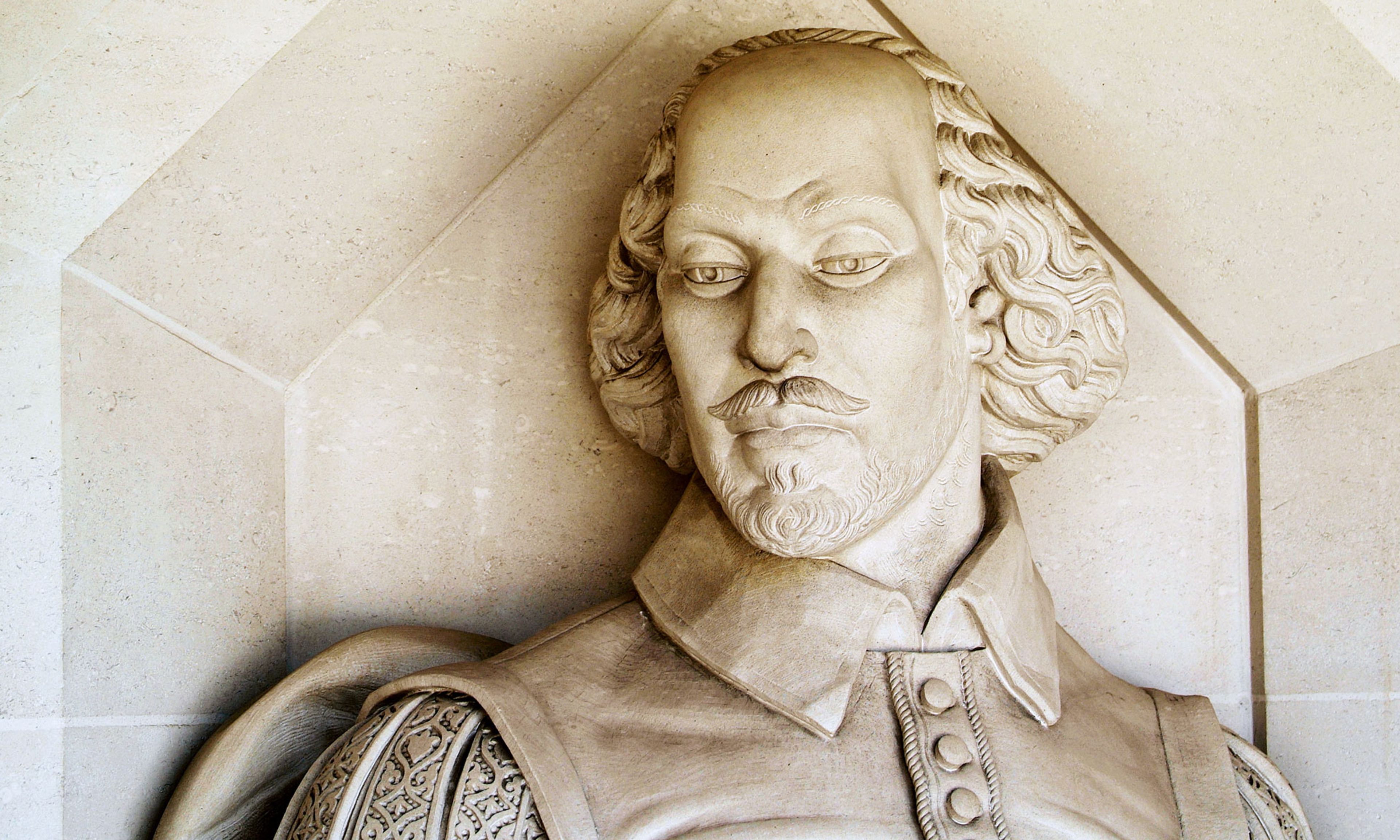
‘All the world’s a stage.” So wrote William Shakespeare, the English language’s greatest playwright. The Bard’s birthday is remembered on April 23. In that birth and life, we have much to celebrate — especially those of us who study politics. Shakespeare saw the political world as a stage. Indeed, from the stages that present his esteemed works, we can glean far more than mere entertainment.
As a format, plays provide a fresh lens through which to study politics. We often consider histories, treatises, and speeches when thinking about political principles and practices. Plays present a level of nuance unavailable to many of these other mediums. A playwright can direct the tragedy (or the comedy) where he wishes. As he does so, he can display the intricacies of human thought. They show the tensions — between mind and heart, between passion and calculation, no less than between good and evil — that real humans face and that good art displays. Shakespeare is without parallel in displaying human nature in its variety and often baffling inconsistency.





Comments