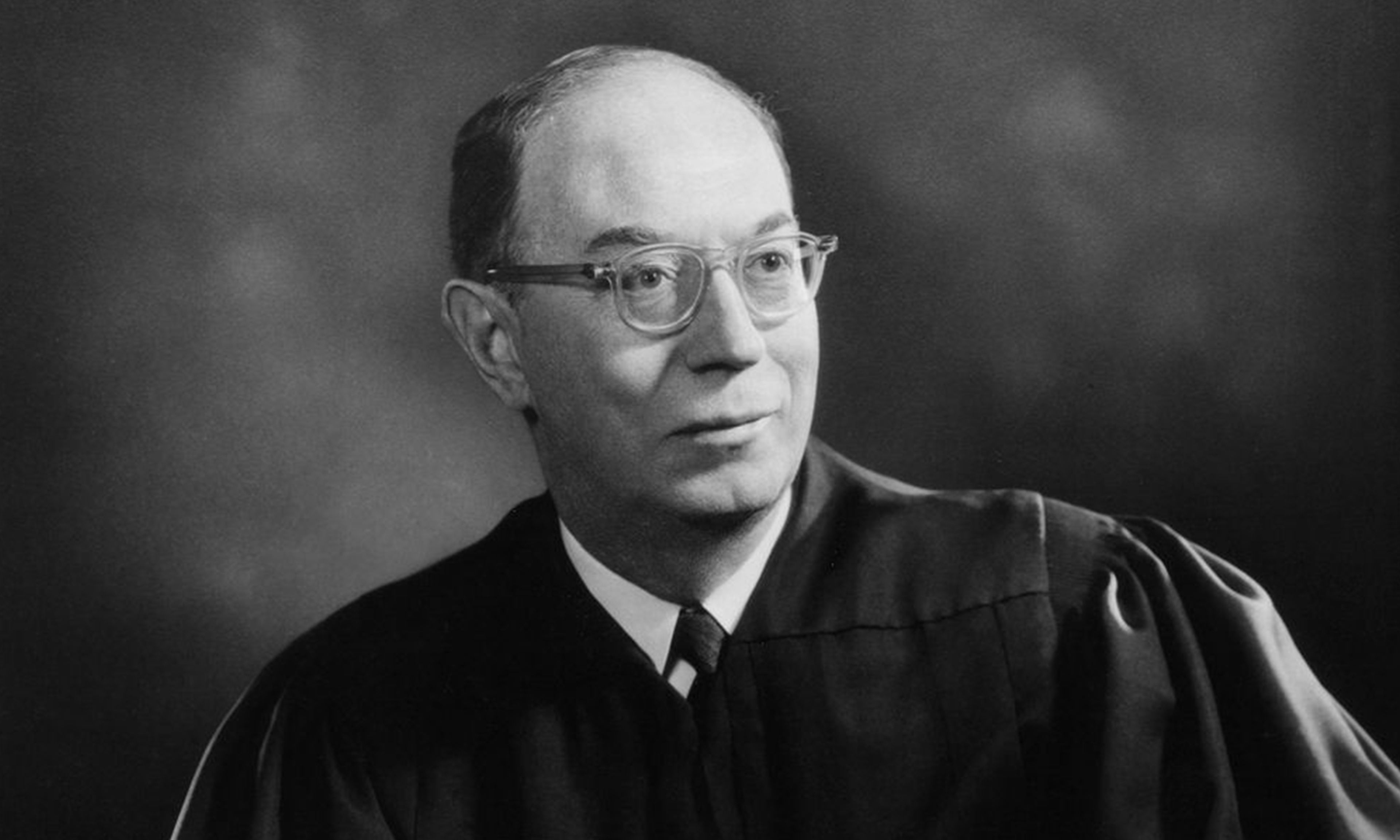
With oral argument approaching this week in Dobbs v. Jackson Women’s Health Organization, it is fitting to take a moment to consider what might have been had the Court in Roe v. Wade taken the view of the legendary Judge Henry J. Friendly of the Second Circuit. In 1970, three years before Roe, Friendly drafted an opinion in an abortion case that came before him. Its contents would not be known for many years because the case was mooted by the New York legislature, and the draft opinion waited more than 35 years to be published by Friendly’s law clerk, A. Raymond Randolph, who would go on to distinguished judicial service on the D.C. Circuit. (Chief Justice John Roberts clerked for Judge Friendly a decade after Randolph.)
The lawsuit was filed by law professor Roy Lucas, who sought a “quicker and easier way” than the legislative process to do away with state abortion laws by way of federal courts. His legal argument for doing so was to use the Supreme Court’s language in Griswold v. Connecticut (1965) about what Lucas called the “penumbral right emanating from values embodied in the express provisions of the Bill of Rights” to have the laws declared unconstitutional. Friendly heard the case on a panel with two district judges according to the procedure of the time, under which federal actions challenging the constitutionality of a state law were heard by three-judge panels with direct appeal — not certiorari — to the Supreme Court.





Comments