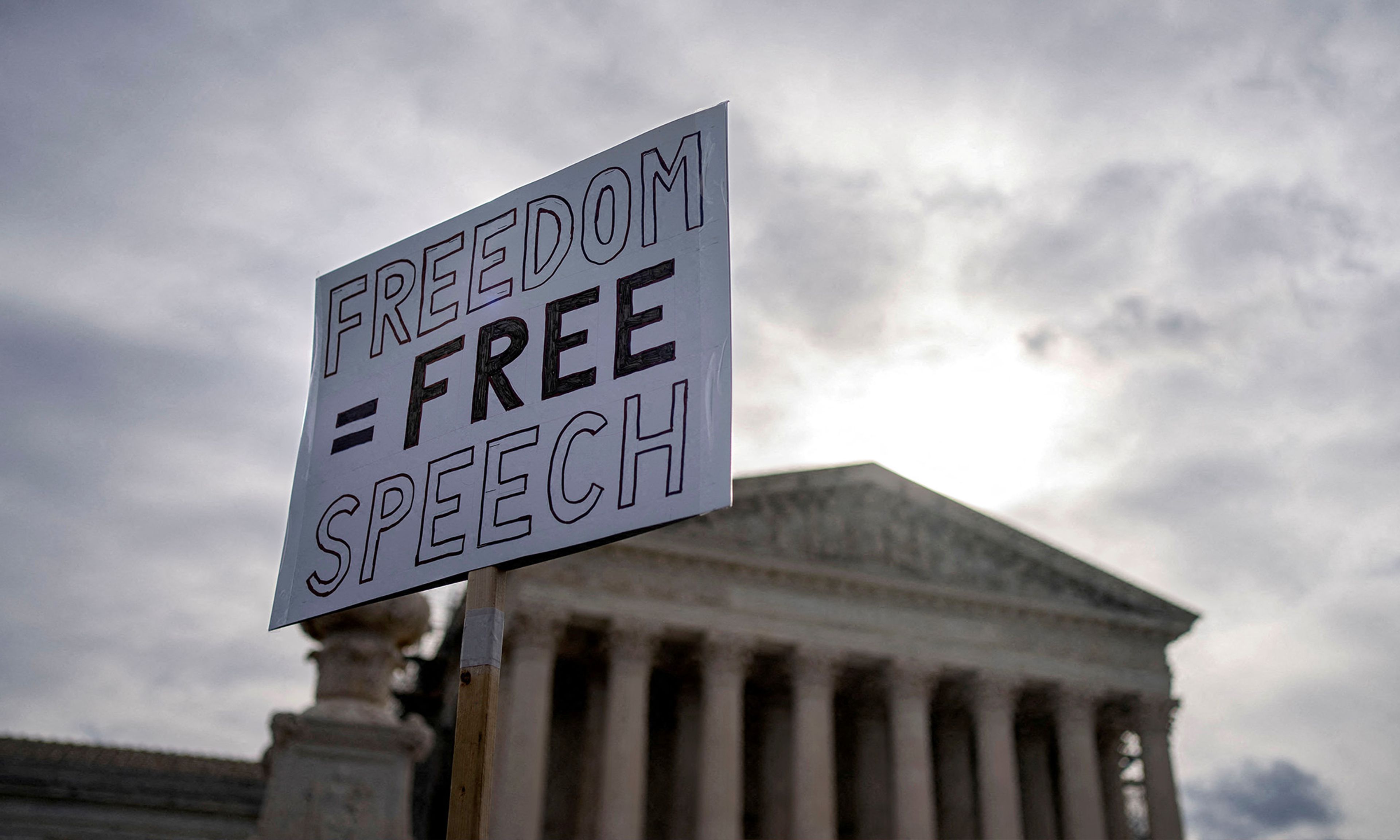
It is a longstanding principle of First Amendment law, vindicated unanimously by the Supreme Court just last month in National Rifle Ass’n v. Vullo, that the government may not indirectly suppress protected speech by pressuring private actors who distribute that speech or do business with the speaker. But sometimes, the government can violate the Constitution and get away with it. Today’s decision in Murthy v. Missouri — finding that the plaintiffs lacked standing to sue federal officials over their involvement in restricting content on social media — makes it much harder for courts to provide relief when that pressure is exercised, often out of public view, by the various arms of the federal executive branch.
The Court’s dismissal of Murthy on standing grounds in a 6–3 opinion by Justice Amy Coney Barrett reflected, most of all, the Court’s hesitance to insert the judiciary into the complex business of overseeing how the hydra heads of the executive branch interact with big social-media platforms. It also reflects the Court’s suspicion that those platforms were in many cases willing accomplices of the Biden administration’s efforts to throttle the sometimes-fringy speech of vaccine skeptics, election-conspiracy theorists, and other political foes (such as a Covid “disinformation dozen” that included Robert F. Kennedy Jr.). Some of that speech was not constitutionally protected because it was outright false, but there was no real doubt that much of it was protected: statements of opinion that the Biden administration wanted to classify as “misinformation.”





Comments