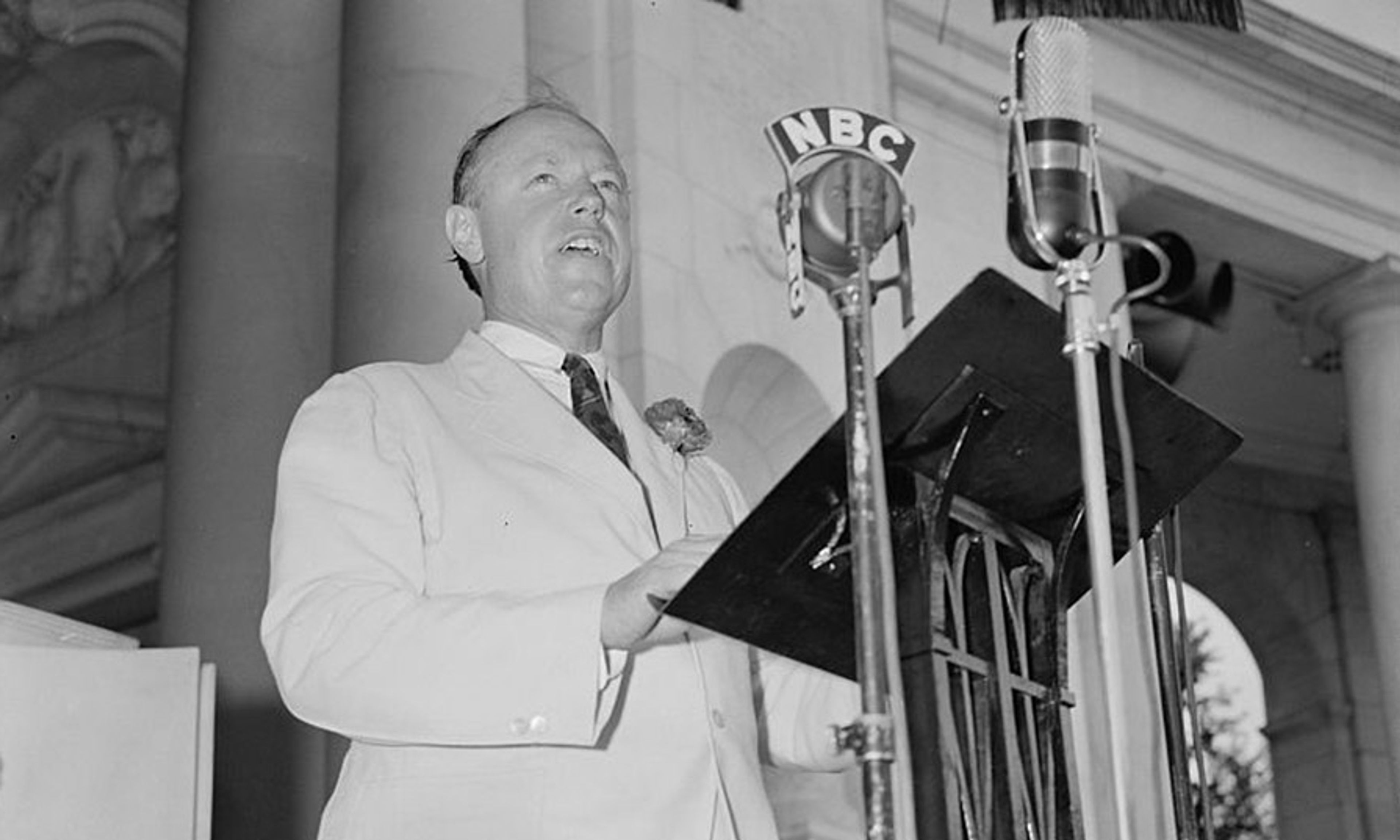
Seventy years ago today, Ohio senator Robert Taft died. The paradigmatic conservative Republican, Taft started out as a lawyer and went on to an epic career in public service. Unable to join the Army in World War I, he went to work for the Food and Drug Administration and then as legal adviser for Herbert Hoover’s American Relief Administration, distributing food in post-war Europe. He campaigned for Hoover in the 1920 GOP primary; that year, Taft was elected to the Ohio house of representatives, and ten years later to the Ohio senate. His early political career was distinguished for fighting the Ku Klux Klan and opposing prohibition. In 1939, he was elected to the U.S. Senate and served three terms. The culmination of his legislative career was the Taft-Harley Labor Relations Act, which banned “closed shops” and imposed 80-day cooling-off periods if a strike threatened the national interest. He established himself as the leading spokesman for the conservative faction of the Republican Party. In his unsuccessful runs for the GOP presidential nomination, he lost to Wendell Willkie in 1940 and Thomas E. Dewey in 1948.
He went into the Republican convention in 1952 leading Dwight D. Eisenhower in delegates, but the imperative to stop conservatism was just as strong as in the previous contests, and the other factions combined to defeat him. Still, his final campaign pointed to a more conservative future. Although he was an anti-racist, he believed a conservative message could begin pulling southern states away from the Democratic coalition. In 1968, Richard Nixon would prove the theory correct, winning Tennessee and the Carolinas, while segregationist George Wallace took the Deep South.




Comments