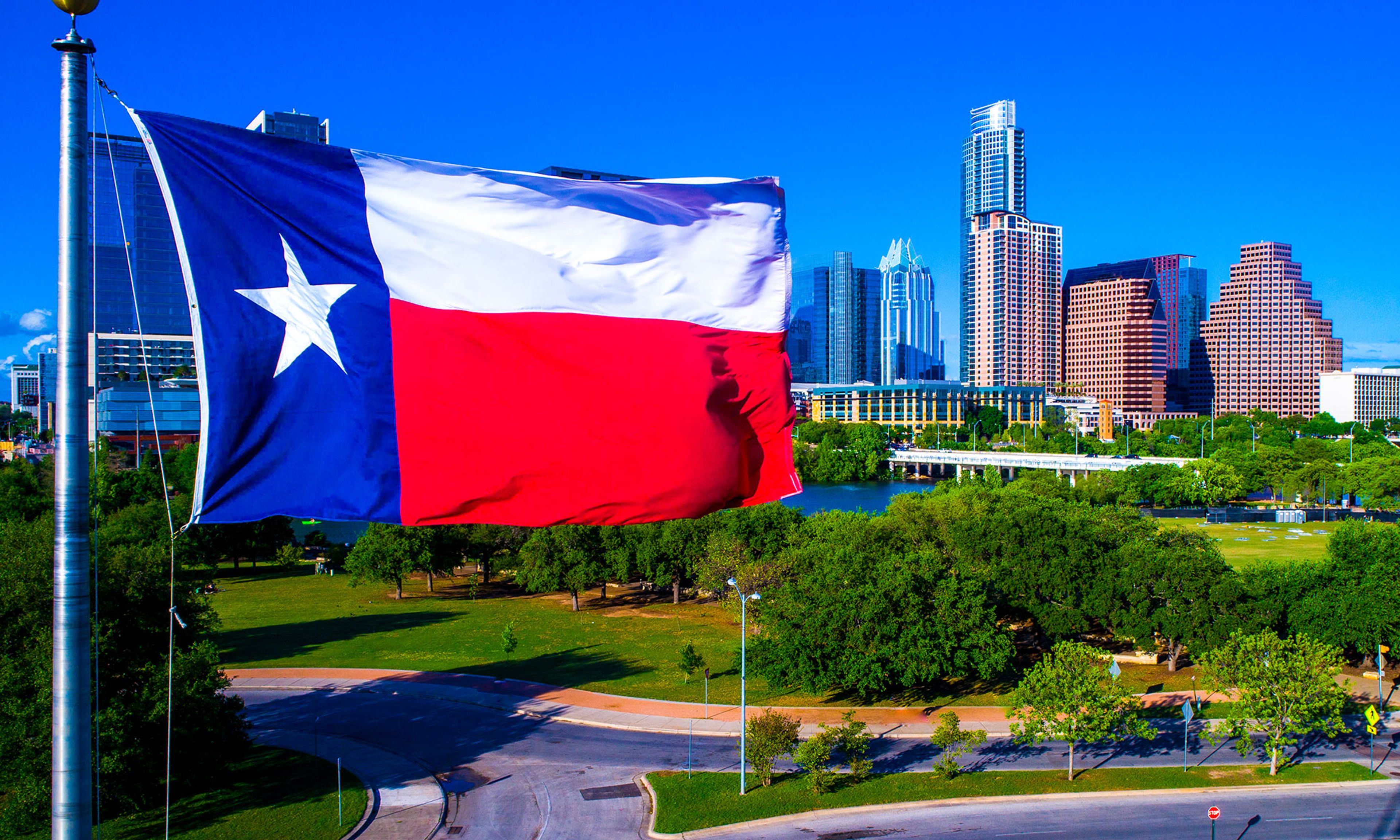
The most recent general-election poll of Texas, conducted by the Democratic firm Public Policy Polling, shows Joe Biden and Donald Trump neck and neck: Both candidates come in at 48 percent. These figures aren’t outliers. They’re consistent with polls from the past two months reporting a narrowing race in the Lone Star State. Perhaps that’s a shock at first glance: After all, the state hasn’t voted blue in a presidential election since 1976. But pollsters and strategists have long predicted that Texas would start to turn purple, and such a scenario is on the minds of the Republican and Democratic establishments alike. Within the past two weeks, Biden and Speaker of the House Nancy Pelosi both addressed the Texas Democratic Party’s virtual convention, while President Trump hosted an exclusive fundraiser in Dallas after speaking about law enforcement at a roundtable there.
The narrowing race in Texas raises some important questions for the future of the state and the country: Could Texas vote for Biden in November? How do demographic changes factor into the increasingly contested state? And to what extent do these trends generalize to the rest of the country?





Comments