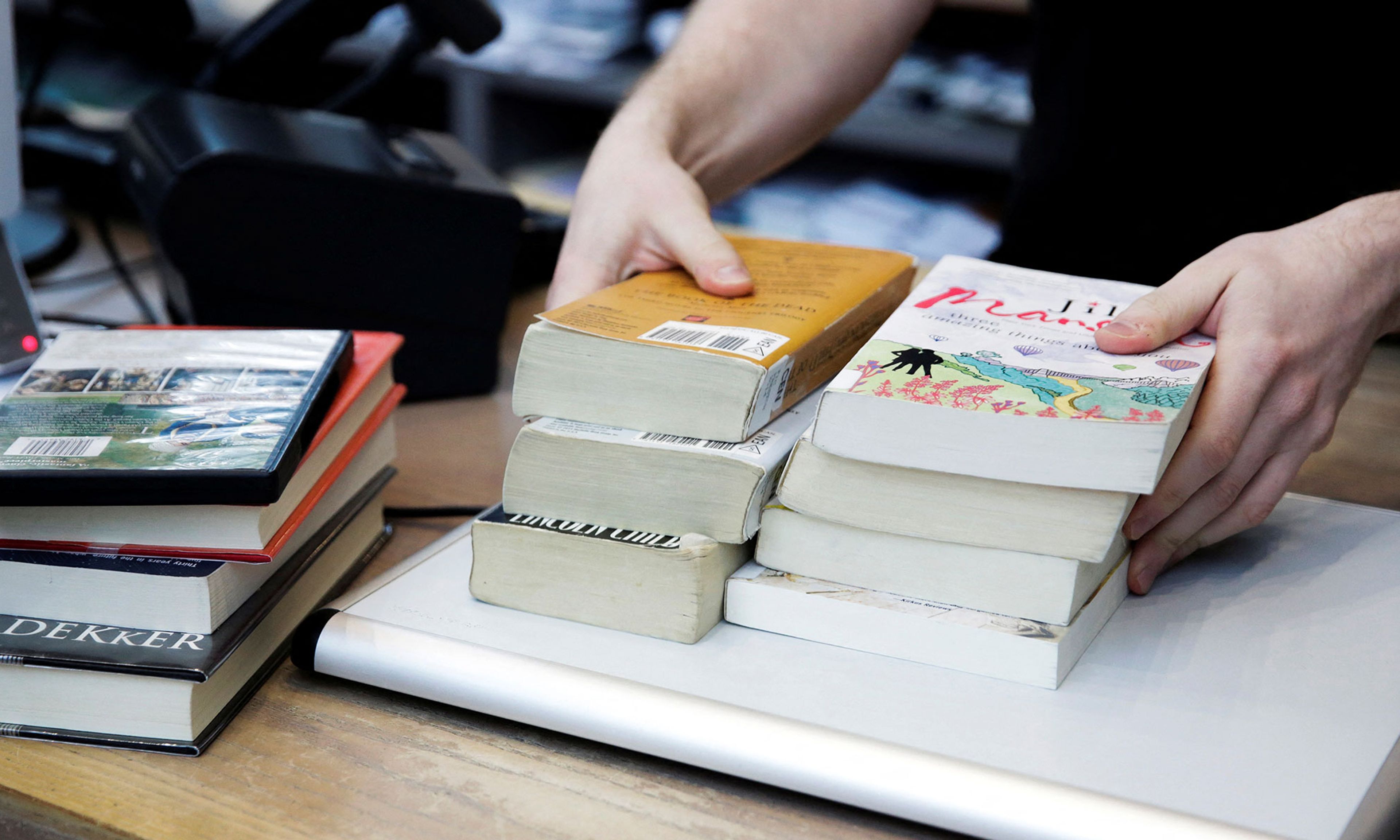
It’s Banned Books Week, the celebration of blue-haired librarians cosplaying as champions of the First Amendment against evil conservatives who dare question the appropriateness of sexually explicit, pro-trans literature for five-year-olds. To summarize some of the silliness ably highlighted by NR’s Vahaken Mouradian on the subject: No “Banned Book” in America is actually banned; we still have an operative First Amendment, and every book on the American Library Association’s list of the top ten “Challenged Books” of 2024 is readily available on Amazon or at thousands of libraries and bookstores throughout the country. ALA’s “Banned Books” appellation gets applied not merely to books that are actually removed from library shelves, but to books that receive mere complaints or “challenges,” in the ALA’s parlance.
But there’s an underdiscussed element to “Banned Books Week” and its focus on “challenges”: an anti-democratic streak. In public libraries and schools throughout the country, the argument is being advanced that government-run libraries should be floating fiefdoms with no accountability to anyone: not the taxpayers, not the voters, not the representatives whom they elect to run libraries. The “Banned Books” debate is yet another front in the war between ordinary citizens and the professional managerial class.




Comments