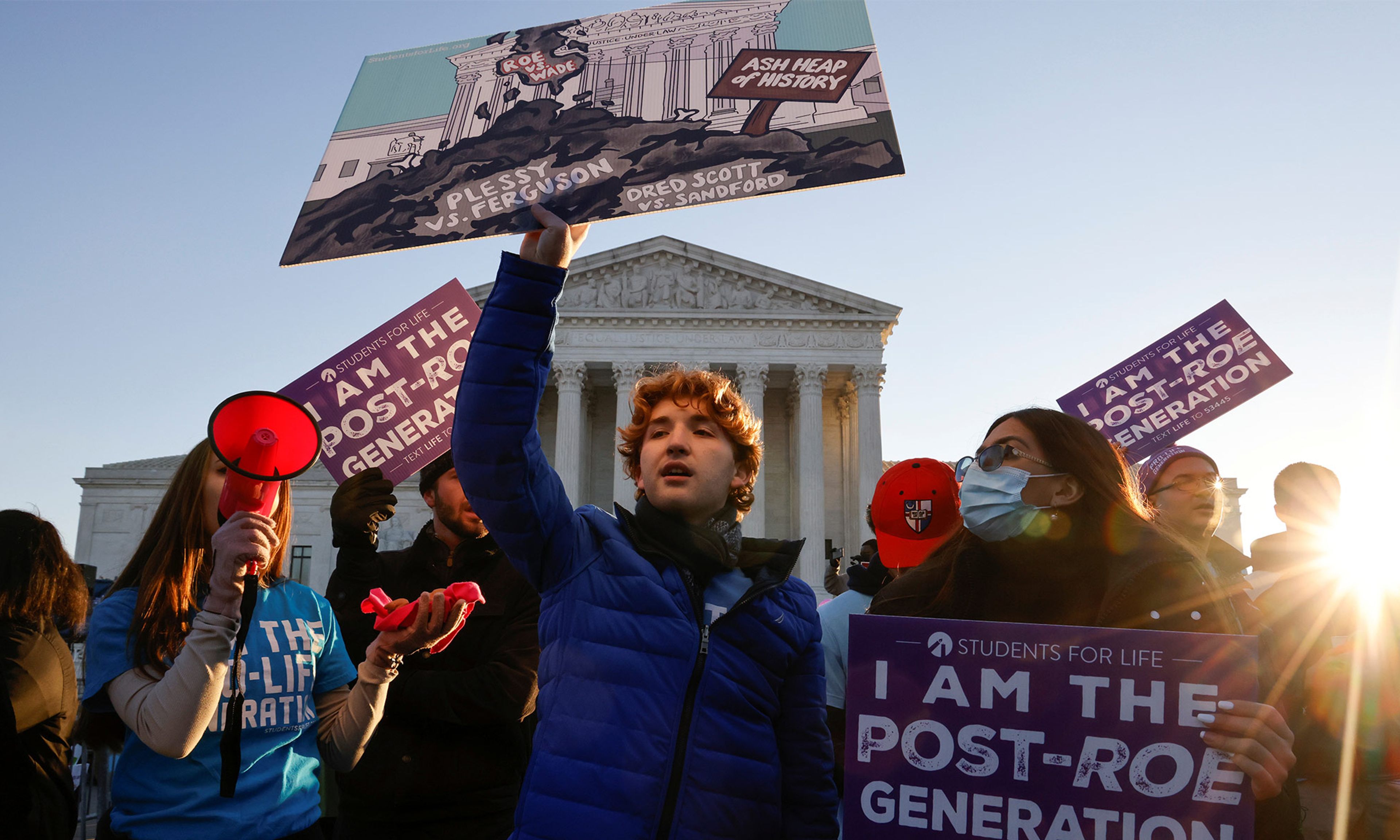
Yesterday, Roe v. Wade was rightly consigned to the dustbin of history. In an impressive and thorough opinion, Justice Samuel Alito dispatched Roe’s flimsy legal rationale, finding that “the Constitution makes no reference to abortion, and no such right is implicitly protected by any constitutional provision. . . . Abortion is not a fundamental constitutional right because such a right has no basis in the Constitution’s text or in our nation’s history.” For the first time in nearly half a century, the question of abortion is once again subject to the political process, with elected representatives of the people, not judges, taking center stage.
In the short term, the conversation around abortion is likely to become even more contentious as it shifts from the quiet of the courtroom into the boisterous arena of politics. Much of this conversation will occur in state capitols, where states will diverge in their legal treatment of the issue: Some will protect unborn babies in ways Roe made impossible, while others will sadly rush to maximize the number of unborn lives ended through abortions performed within their borders. As this process plays out, citizens and lawmakers who wish to foster a culture of life should keep three pole-star principles in mind.




Comments