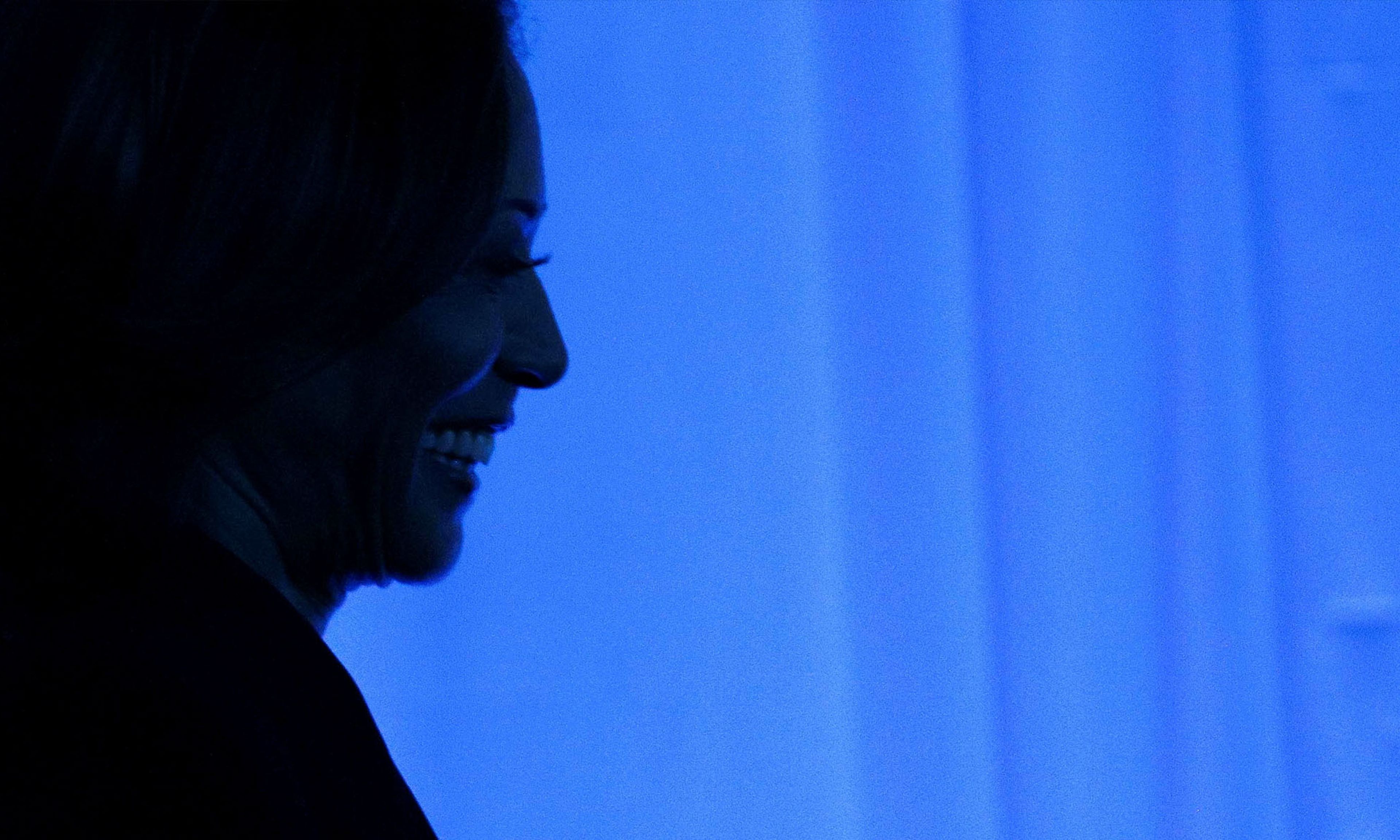
Stop me if you’ve heard this one before: A presumptive Democratic nominee for president is nowhere to be found on the campaign trail. A welter of online delirium surrounds the candidate, who is proclaimed inevitable, possessed of superhuman (yet relatable) perfection. But there is a feeling of forced enthusiasm about it all, for the candidate seems to be curiously absent — a missing center. The candidate is seen only in official images or written about in the third person, and the appeal is explained in achingly clumsy online memes; every now and then a clip surfaces of excerpts from a prepared speech. But the candidate is never addressed directly. You might say that this candidate was being quite intentionally shielded from the media and thus the public by a campaign with something to hide. Does any of this sound familiar?
You know I’m talking about Joe Biden, because we all just lived through it and not a single one of us has fully processed the longer-term implications of that mess. (I remind you: Joe Biden is still president of the United States, yet this is absurd.) But are you aware that I’m also talking about Kamala Harris? The candidate name at the top may have changed, but in a supreme stroke of irony, the playbook for the Democratic Party in 2024 remains the same: Keep Kamala away from loose microphones, press gaggles, adversarial interviews, and interactions with voters — as far from the unblinking gaze of any independent camera as possible. Sell the myth, not the actual candidate herself, because that’s all you really have — and the reality has distinctly limited commercial appeal.




Comments