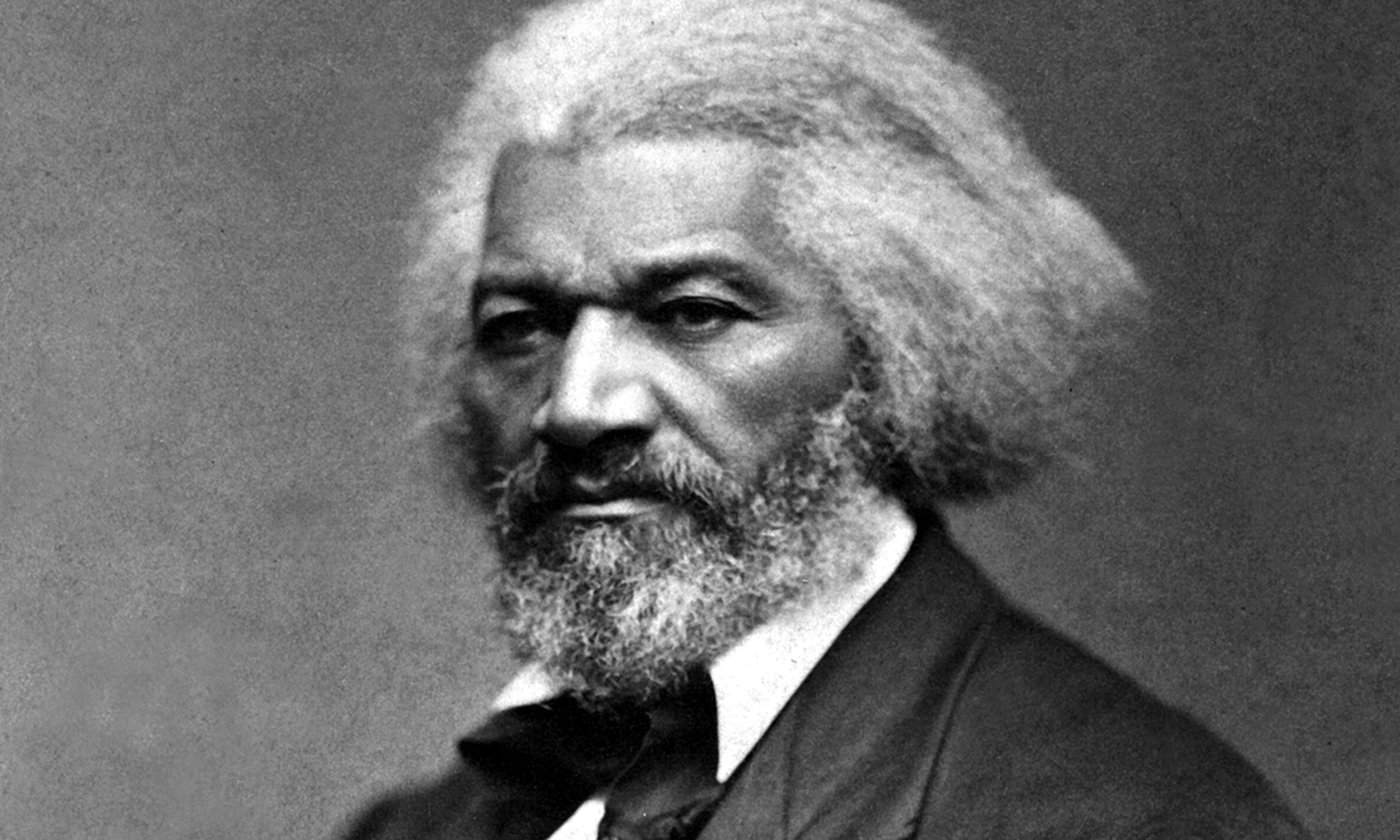
Black History Month is a time to reflect on the African American experience — our culture, struggles, redemption, and victories. But how we approach this history matters, immensely.
Too often we present black history as something separate from, or supplemental to, capital-H history. But black history is not a sidebar. The black experience is not only immutably integrated in the American experiment. It is profoundly meaningful to questions at the center of the Western canon and the human experience — questions, about freedom, justice, goodness, truth, and beauty, that have been asked and answered by thinkers from Socrates to Shakespeare. Situating black voices within the dialogue of the classics is critical to ensuring that African Americans today achieve the reconciliation and empowerment they deserve.




Comments