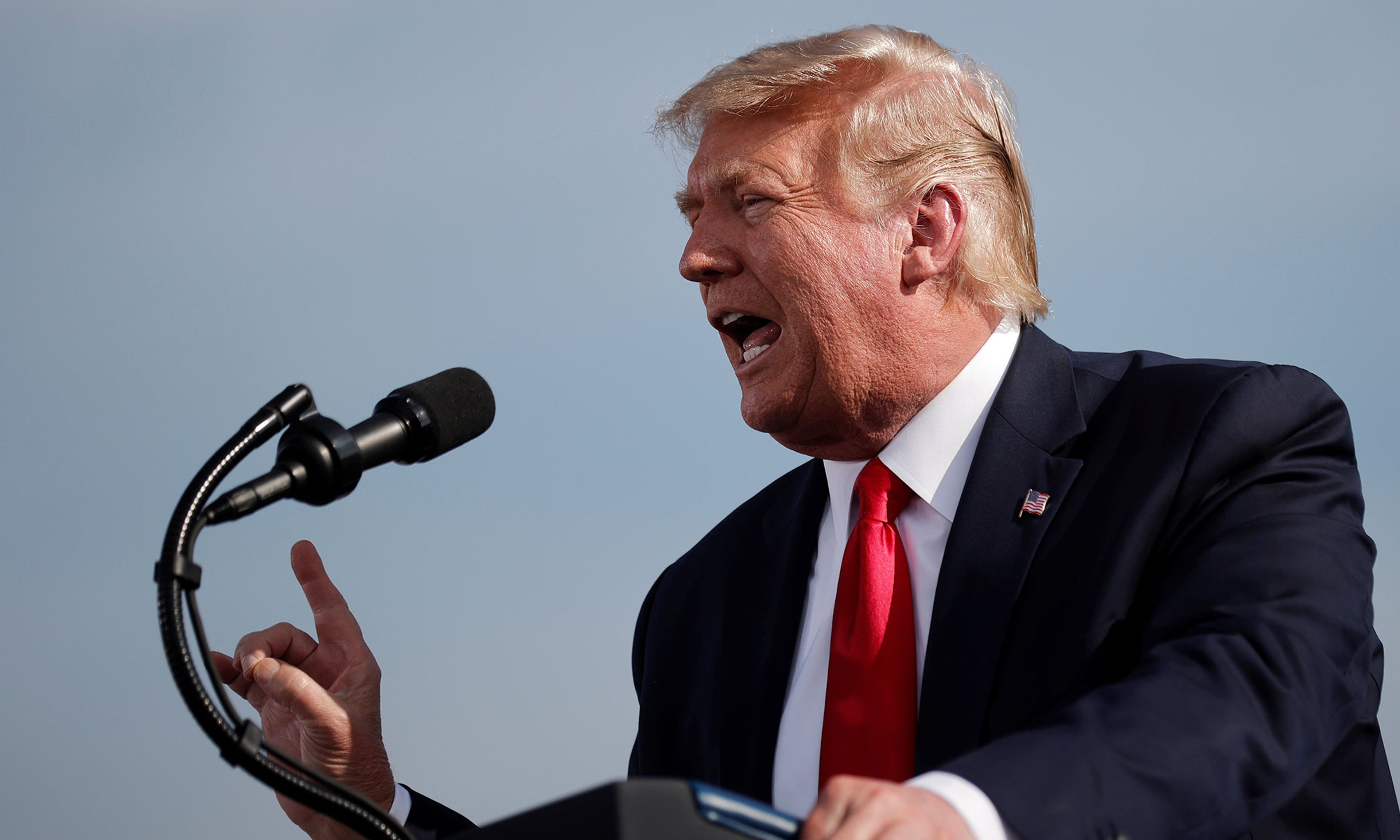
The nationalist–populist tendency that buoyed Donald Trump in 2016 has many precedents in American politics: the Tea Party, Ross Perot, Pat Buchanan, George Wallace, a political bloodline that runs back through William Jennings Bryan to Andrew Jackson and Patrick Henry. But one aspect of the Trump movement has received insufficient attention: its roots in the trauma of the terrorist attacks of September 11, 2001.
The 9/11 Republican was a curious creature, characteristically found not in the traditional conservative habitat but in progressive, Democrat-aligned cities and suburbs from New York to the Bay Area. The 9/11 era was marked by fear of several kinds, ranging from prudent watchfulness to clabbered paranoia. Cinnamon Stillwell spoke for the 9/11 Republicans in a 2005 San Francisco Chronicle column in which she described being a Marin County liberal pushed toward the right by her progressive friends’ “irrational hatred for their own country”:

Comments