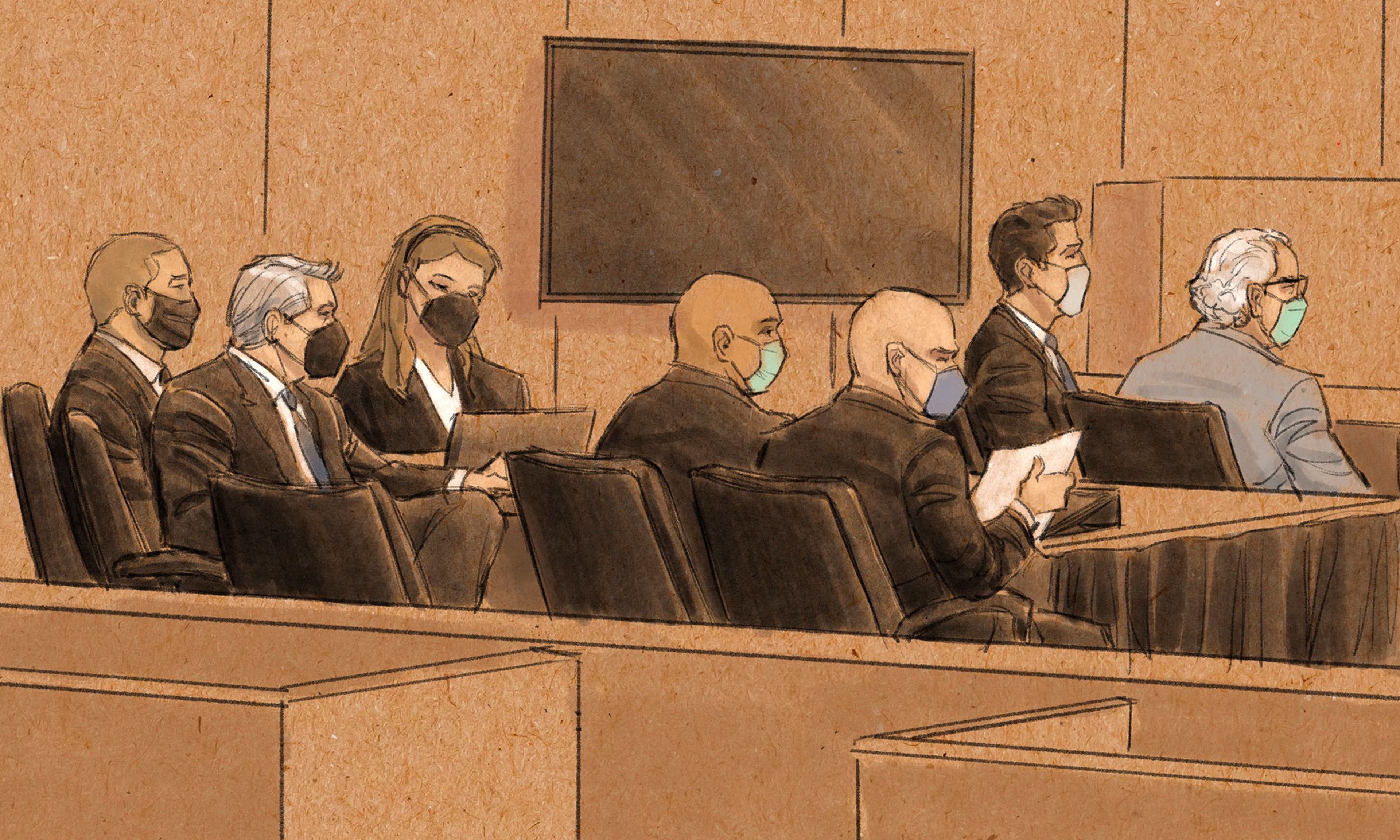
The monthlong federal civil-rights trial involving Minneapolis ex-cops implicated in George Floyd’s 2020 death is wending toward its conclusion. On Monday, the defense rested, but only after all three defendants testified. The case will now proceed to closing arguments and jury instructions — and the latter are more critical in civil-rights cases than they are in most criminal prosecutions.
In a recent column, I criticized the Justice Department’s theory of the case, which brings into sharp relief the vagueness of the relevant statute, Section 242 of the federal penal code. The Justice Department, whose authority is limited to enforcing statutes as Congress has written them, has been exploiting this ambiguity to, in effect, legislate new crimes — prohibiting not only police acts but police omissions.



Comments