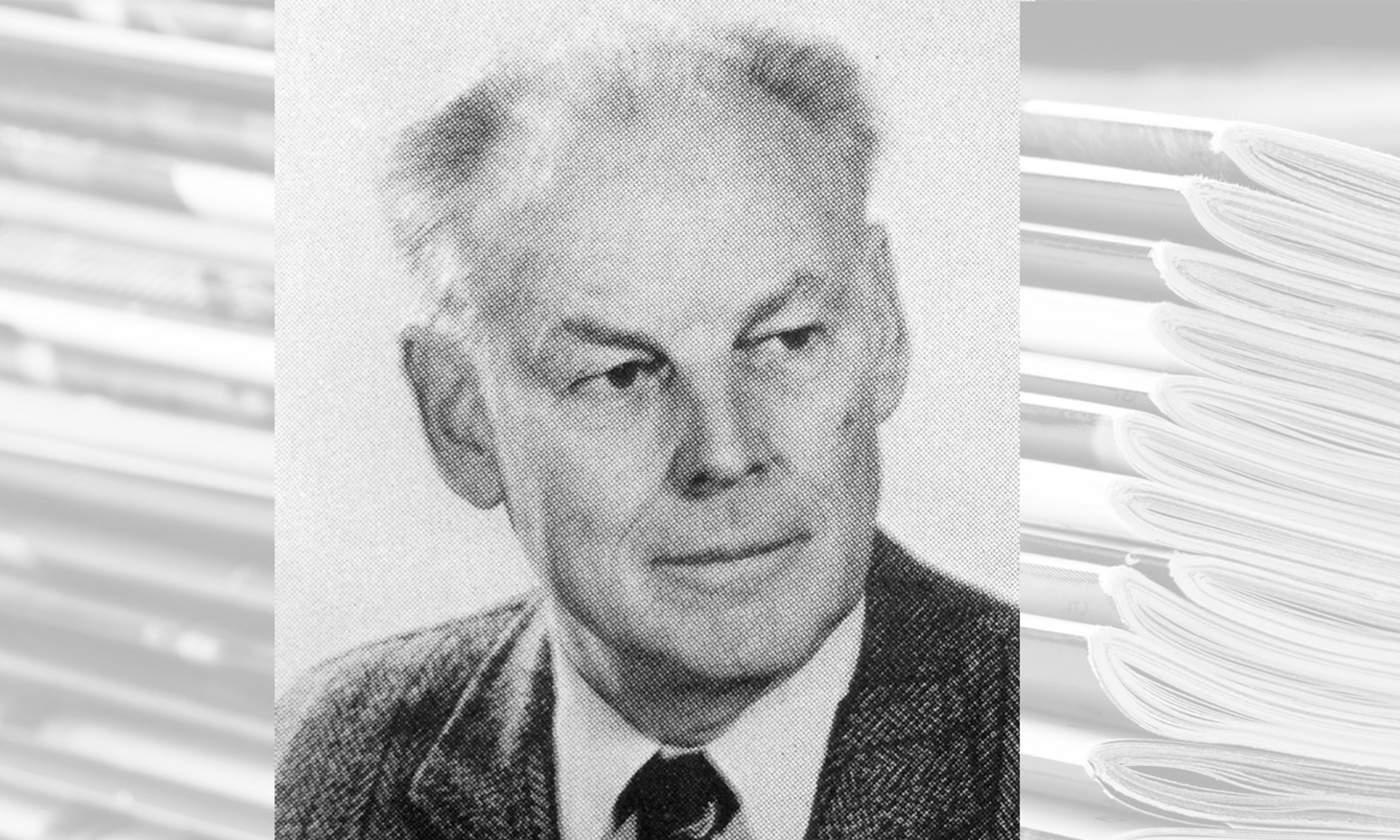
Long before the democratic socialists won districts in New York, Colorado, and points beyond, they won John Chamberlain, whose contributions to National Review began at its November 1955 creation and ended a few years before his 1995 expiration. Chamberlain, who started at the New York Times in 1926, eventually came to regard democratic socialism as an oxymoron, as, undoubtedly, many of the democratic socialists at the New York Times in 2026 someday will. The democracy of the market, not the top-down direction of socialism, enchanted Chamberlain politically for the last half century or so of his life.
“John Chamberlain has instructed me to remove his name from the masthead, and I shall immediately do so,” William F. Buckley Jr. wrote Wall Street Journal editorial page editor Vermont Royster, whose order Chamberlain conveyed to Buckley, two days after the cover date of National Review’s first issue. Twelve years later, the two-time Pulitzer Prize-winner Royster lobbied Chamberlain to review his book A Pride of Prejudices for National Review.





Comments