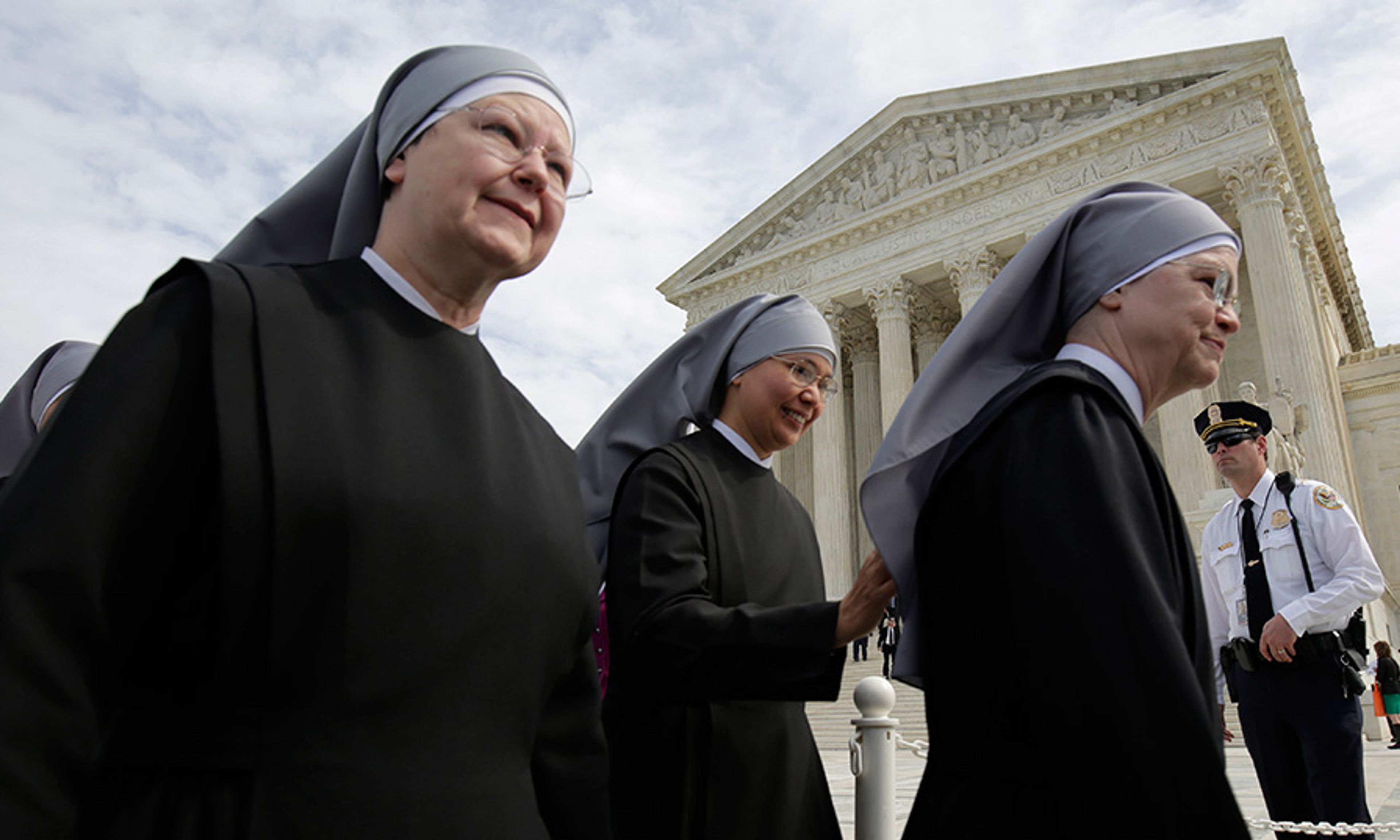
We live in tense and divided times. Virtually every aspect of our public life feels increasingly polarized. The gap between left and right continues to widen, social unrest abounds, and trust in our institutions nears an all-time low. Our nation is failing to get along. That makes this week’s 30th anniversary of the Religious Freedom Restoration Act timely, and a lesson for our current moment on how Americans can learn to live in peace, despite strong disagreements.
Our country has been wrestling with religious differences since before the Founding. Migrants of many different faiths came to America to escape the persecution and religious conflict of Europe. Sometimes their past mistreatment prompted an enlightened belief in religious liberty for others, allowing people with different beliefs to coexist in peace. Often, though, they fell into old-world habits and persecuted their neighbors who had what they viewed as the “wrong” religious views.




Comments