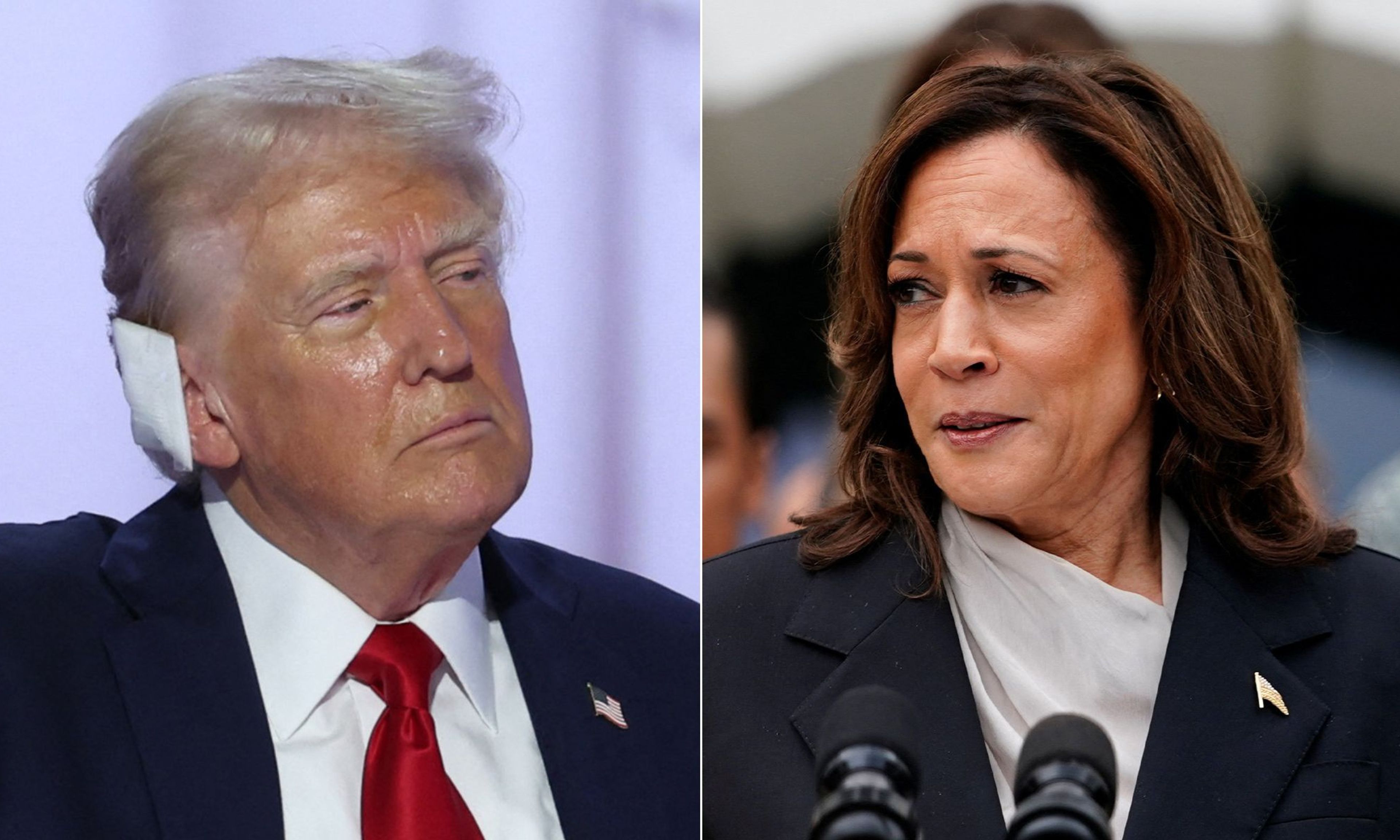
Were I to be tasked with identifying the most ruinous mistake that our two political parties have been prone to making in the present era, I would report without hesitation that, in their separate-but-inimitable ways, each has contrived to proceed as if their voters were automatons who could be pushed around by their PR flacks as a magnet might push around an iron filing. The proximate cause of our having ended up with a Biden–Trump election — which, Lord help us all, is now to be a Harris–Trump election — is that, unlike the country at large, the primary voters and party apparatchiks who have a say in the matter desire such an election. But it is what’s beneath that desire that is more interesting. Simply put, we have reached the point at which the powerbrokers within both the Democratic and Republican folds have convinced themselves that the problems they face are structural — be they massive voter fraud or internalized racism or media bias or the American constitutional order — rather than political, and they have advanced from that presumption with reckless abandon.
We are now eight years into Trump’s domination of the GOP, and his most fervent advocates have still not worked out how to talk persuasively to his critics. Within the inner sanctum at MAGA Castle, “you’re a RINO” presumably cuts like a butcher’s knife. In the real world, it elicits uninterested — perhaps even contemptuous — shrugs. Much as the trans lobby has yet to work out that when the average voter is told, “If you oppose men in women’s sports you’re a bigot,” he is more likely to respond, “Okay, then I’m a bigot” than, “Wow, you’ve convinced me,” so Trump’s backers have yet to grasp that their cajoling and belligerence and declarations of vanquishment serve to alienate, rather than to recruit, the skeptics they need to win. One would not glean this from the overconfidence that is currently radiating from the post-convention GOP, but, irrespective of the Democratic Party’s many self-inflicted misfortunes, it remains the case that Donald Trump is not a popular man. The baggage he carries is real. It is possible that Trump is set to win in November nevertheless, but, if he does, it will be despite his reputation not because of it, and his victory will confer no useful mandate for government. Throughout its history, the United States has elected only a handful of presidents who have built a durable movement beneath their feet. Donald Trump is not among them.





Comments