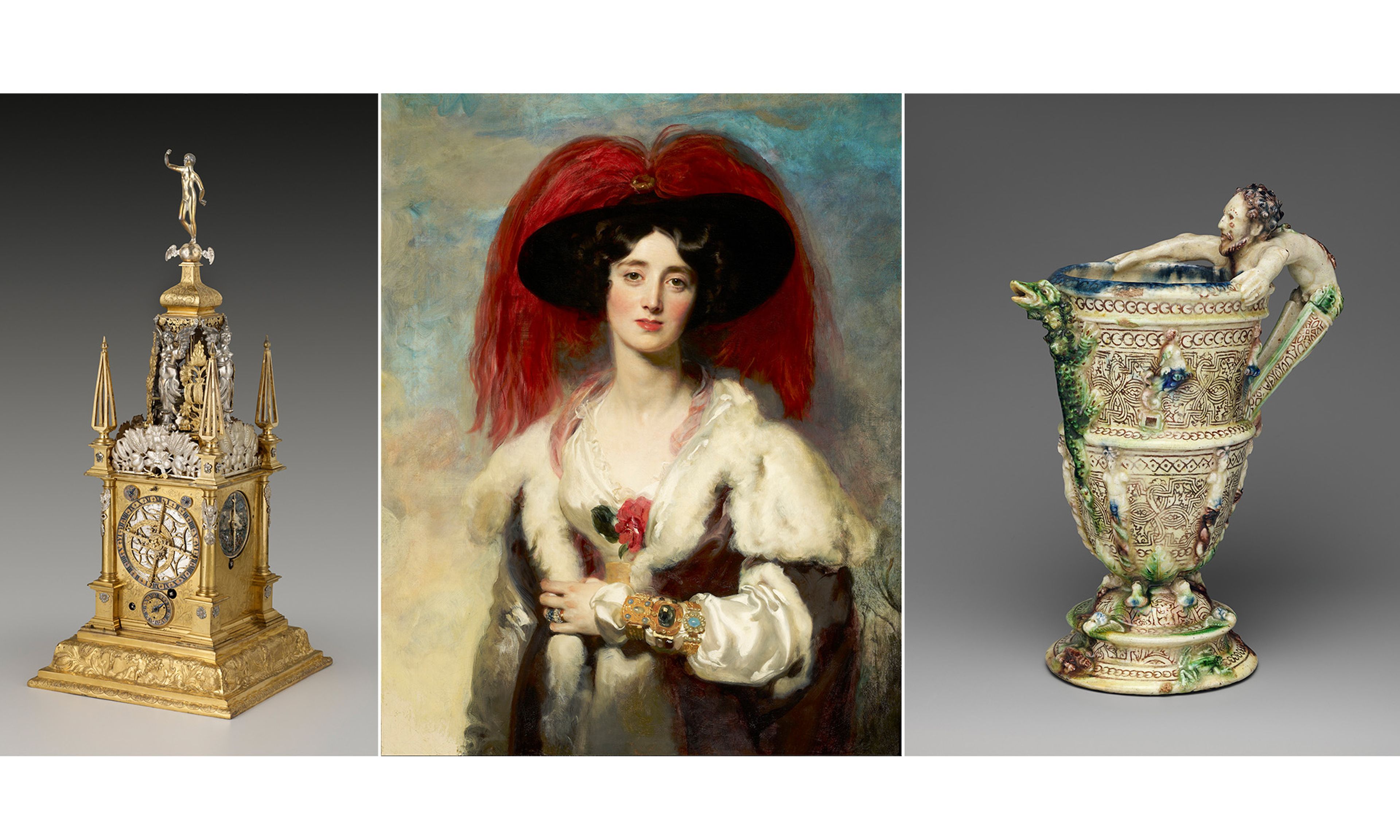
Last week I visited the elegantly restored and expanded Frick Collection on Fifth Avenue and E. 70th Street. While work was being done on the Beaux-Arts mansion, most of its paintings and sculptures were on view a bit north at the old Whitney, an austere, looming Brutalist pile, with white-walled galleries. The Frick’s Old Masters looked fine, though very different, and everyone probably missed the rarefied ambiance when Rembrandt, Turner, and Fragonard mixed with the Frick’s tassels, walnut walls, and fat sofas.
Years ago, I told the director, Ian Wardropper, that $220 million was a boatload of money to raise, even in Manhattan, given the competition from big museums such as MoMA and the Met and many hundreds of small arts nonprofits. It actually rose to over $320 million, since living at the old Whitney for three years was pricy. You’d think a Beaux-Arts palace with so many finishes would be expensive, but so is the Whitney’s inverted Babylonian ziggurat. The Frick had never done fundraising of that magnitude.


Comments