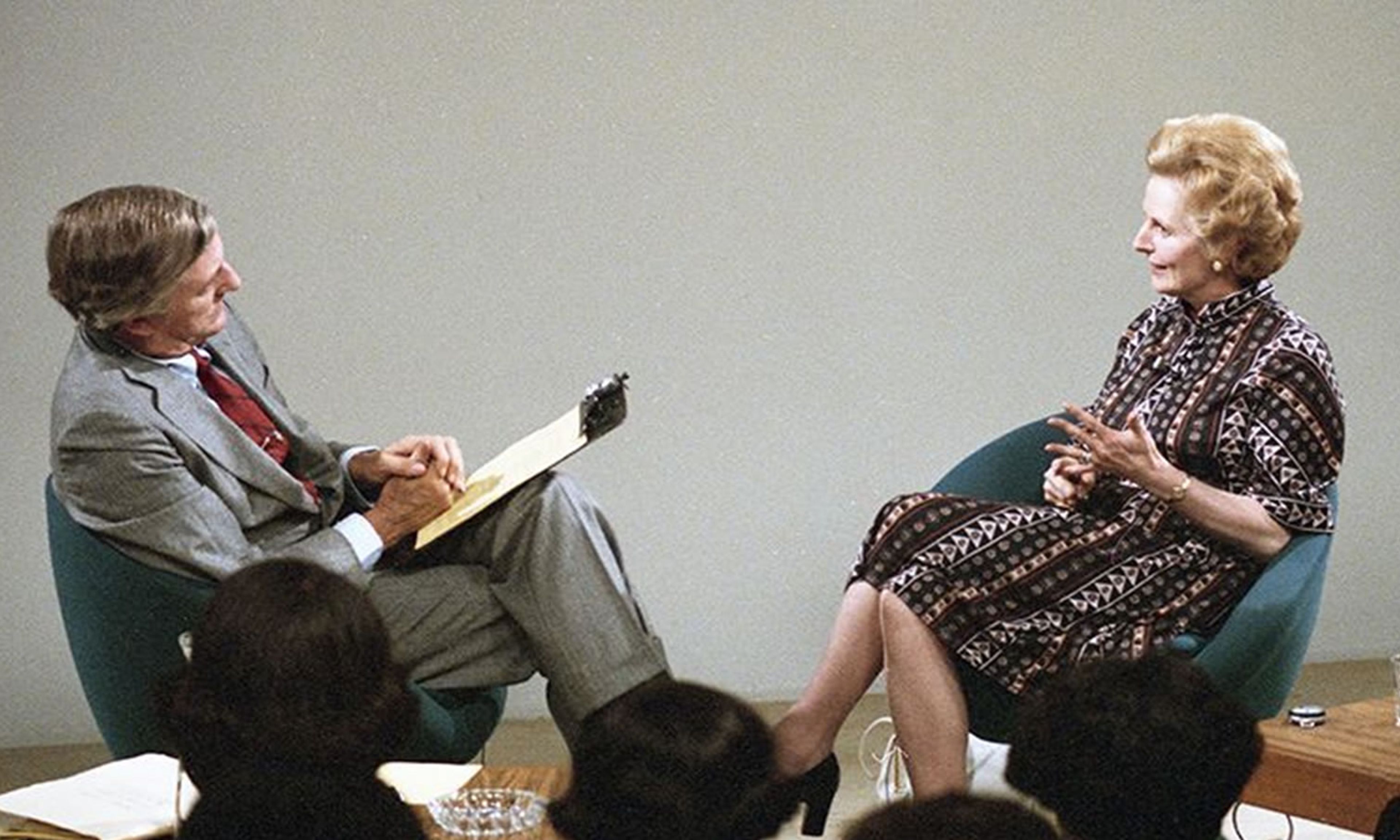
Of all the substantive glue that held the modern conservative movement together beyond Buckley’s force of personality, it was steadfast opposition to the threat of Communism and collectivism, which made for a successful coalition of traditional conservatives, libertarians, former Democrats, and ex-Trotskyites—much like the beginnings of National Review itself.
Two related events were of great significance to the founding of the magazine and the utility of opposition to Communism in brokering a coalition movement. One was the trial of the Soviet spy Alger Hiss. Hiss had risen to the top ranks of the State Department and became a hero to the liberal establishment when the House Committee on Unamerican Activities subpoenaed Whittaker Chambers, a senior editor at Time magazine and a former Communist spy himself. Chambers named a dozen government officials, including Hiss and his brother, and when Hiss denied the charges, the committee, led by freshman Representative Richard Nixon, investigated the claims against Hiss, who was found guilty and sentenced to prison for perjury in 1950. The second was the subsequent efforts by Senator Joseph McCarthy to purge Soviet agents from the government.




Comments