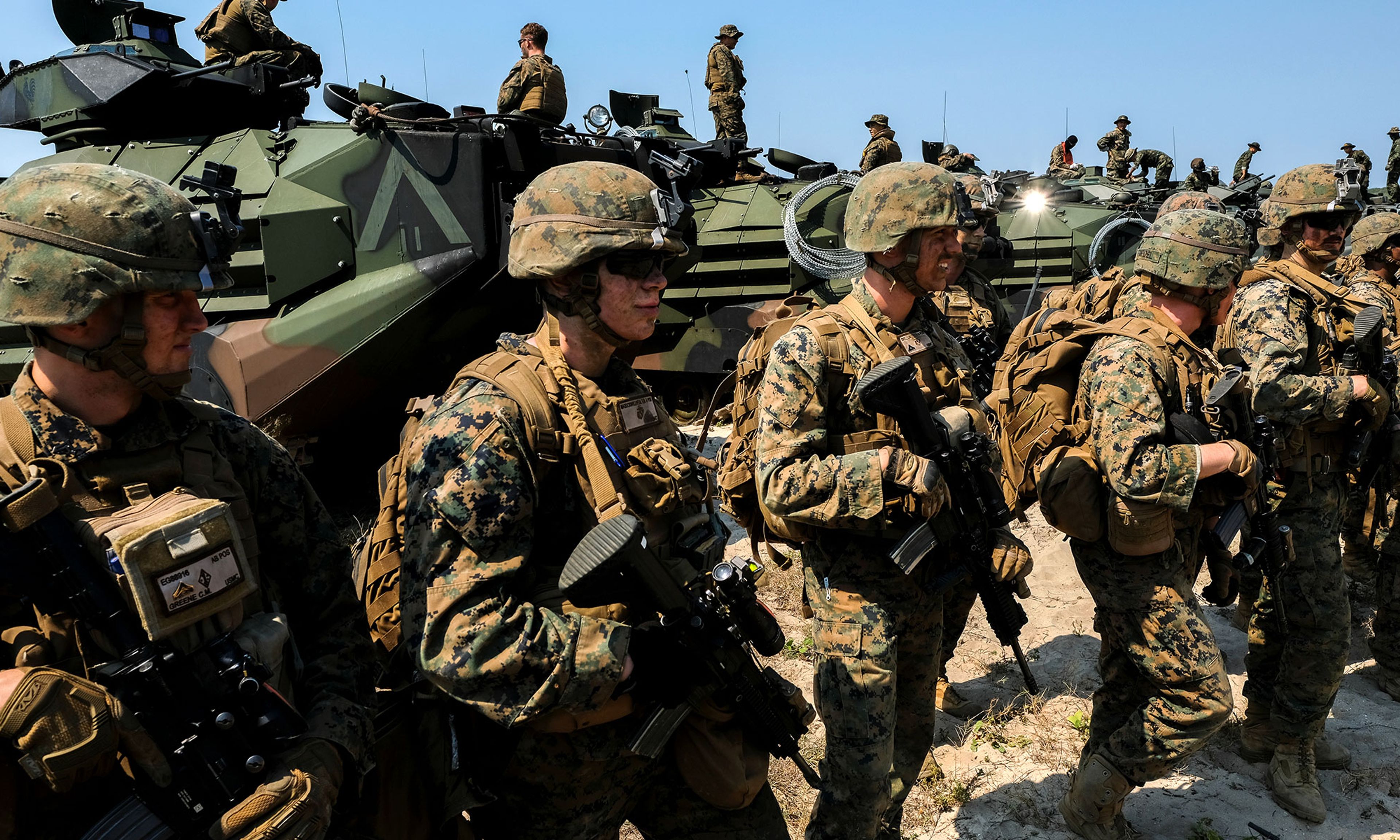
The defining feature of the development of U.S. military policy is the tension that exists between the lessons of history and the promises of technology, a contest between those who see the past as prologue and those who view it as irrelevant. For centuries, history was considered the only laboratory of warfare. One studied history to glean insights about the nature and conduct of war. To be sure, there have been technological advances through the ages, and some of them have brought dramatic changes to the battlefield, but they were always understood within the continuum of history. It is only within the last 70 years that we have seen the growing belief that technology has the power to make everything that came before obsolete. Among the armed services, that creed is strongest in the Navy and Air Force, although it is also present in the Army.
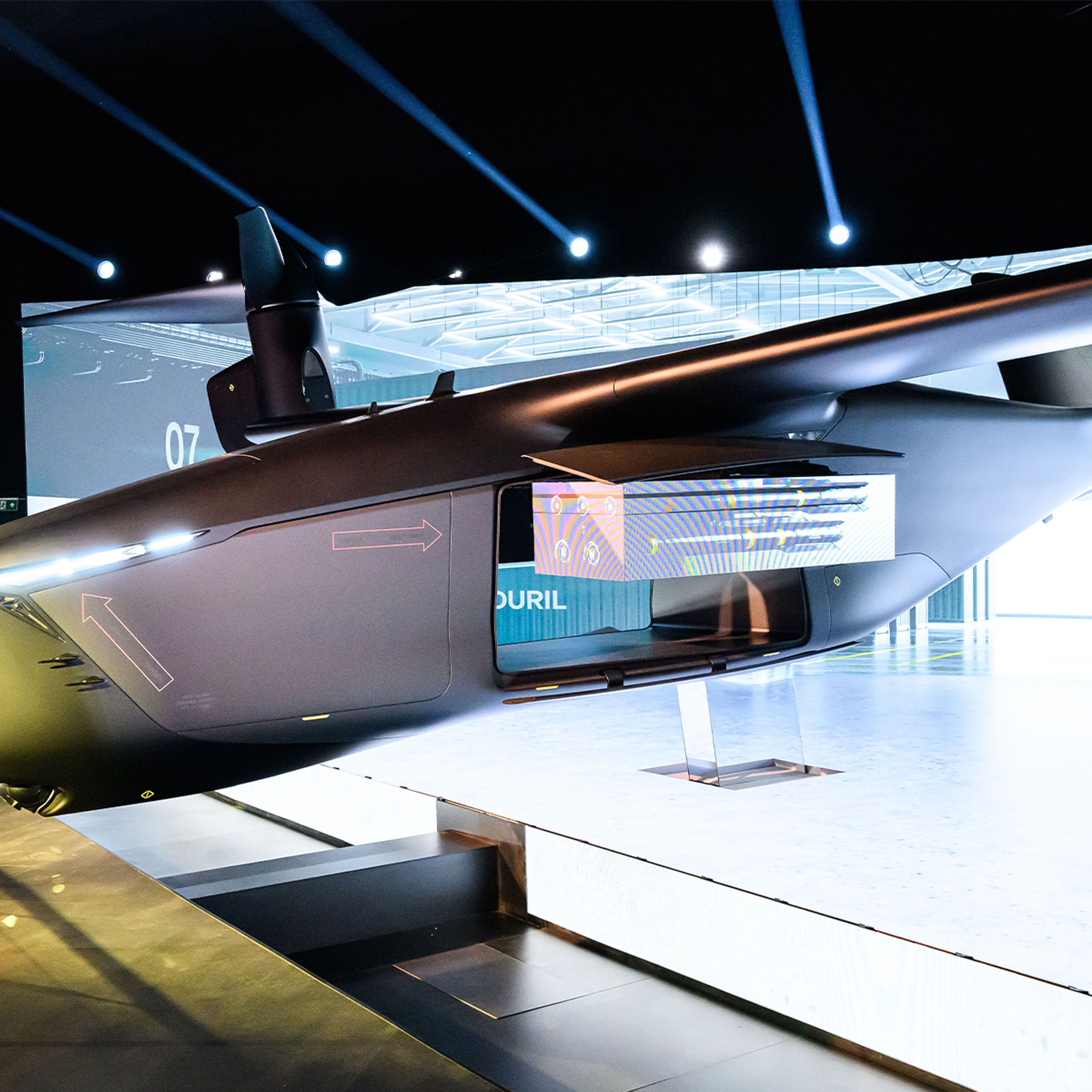
This is more than simply an argument over which weapons to buy. It goes to the heart of competing views about the nature of war. For decades, the Marines stood resolutely against the techno-centric view, and it is fortunate for the nation that they did. The technophiles have consistently touted one emerging technology after another as the thing guaranteed to revolutionize warfare, especially since the turn of the millennium. Yet they never seem to deliver the revolutionary impact expected. The latest technology elixir — guaranteed to change everything, we are told — is the combination of unmanned systems, precision-guided munitions, and artificial intelligence. The vision is of warfare facilitated by near-perfect information and waged clinically at long range by keyboard and mouse.


Comments