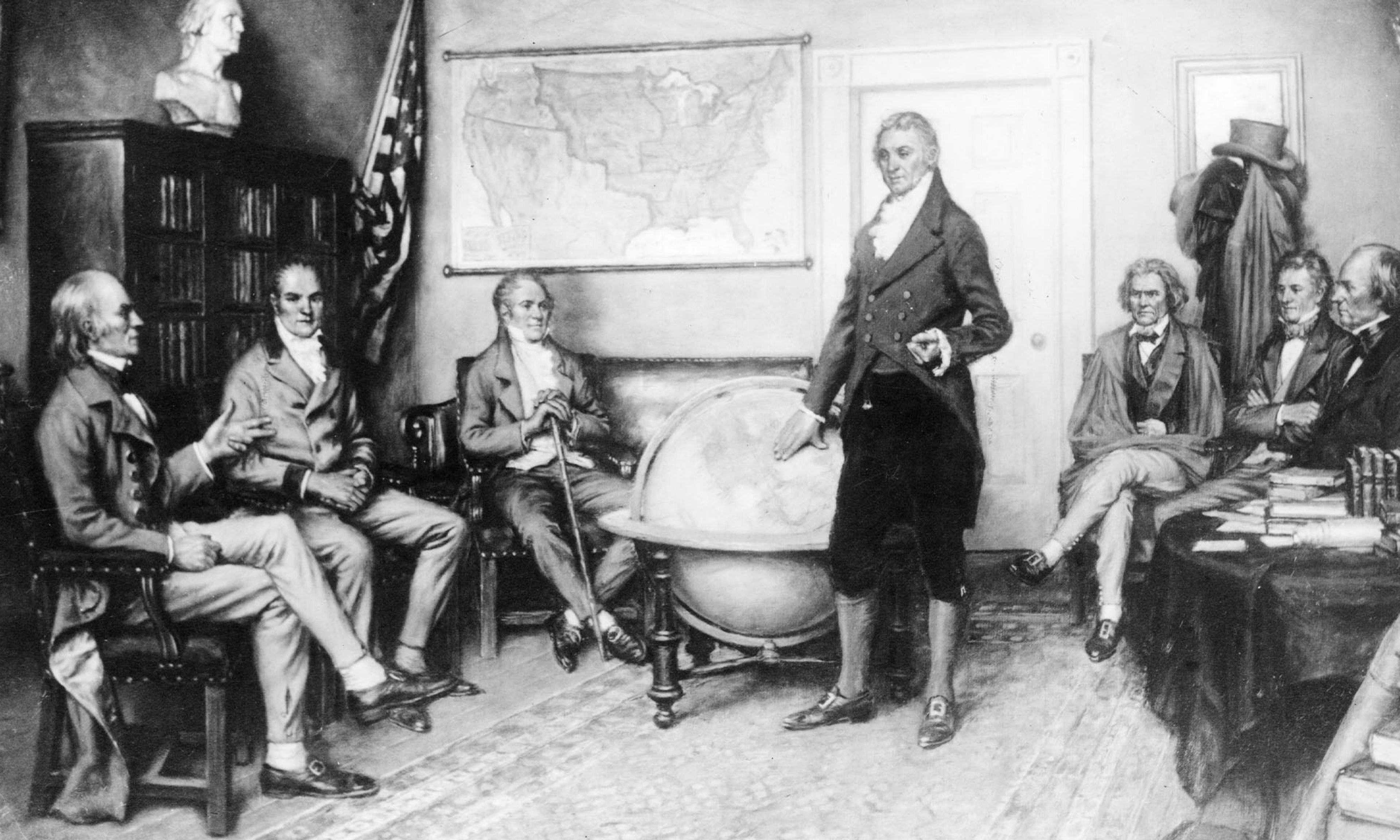
On December 2, 1823, president James Monroe sent to Congress his annual State of the Union message, which at that time was typically delivered in written form. It contained what would prove the most lasting legacy of Monroe’s popular eight-year presidency: a statement of American policy opposing European influence or control in the Western Hemisphere. By the 1850s, this was commonly described as the “Monroe Doctrine.” On this, its 200th anniversary, the doctrine may be far from its original roots, but maybe less far than we think — and it remains a vital part of American strategic thinking.
The Southern Republics





Comments