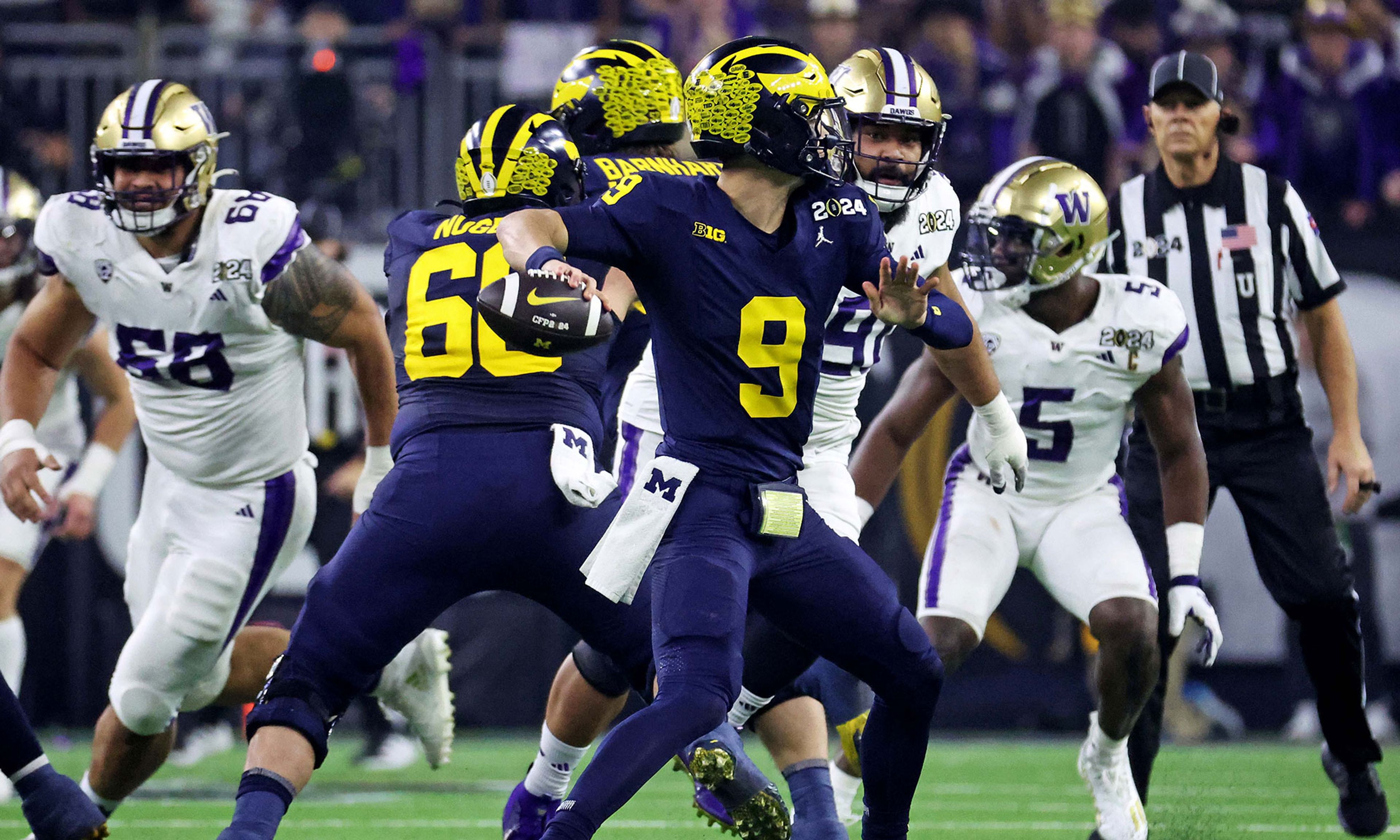
The age of amateurism ended with a whimper. The National Collegiate Athletic Association (NCAA) has agreed to a $2.8 billion settlement that will forever change college sports, allowing athletes to get paid directly by their schools in addition to receiving scholarship monies and external sponsorships.
Following the Supreme Court’s 2021 ruling in NCAA v. Alston, the NCAA permitted athletes to be compensated for the use of their name, image, and likeness (NIL), opening up a new frontier for commercialization. Most student athletes aren’t big stars like Joe Burrow and couldn’t raise much money (if any) through independent partnerships. Instead, “collectives” formed, outside organizations funded by fans and other donors pooling together resources to support athletes financially. Boosters couldn’t directly coordinate with athletics departments or pay students for their on-field performance but could pay athletes for other activities, such as promoting a booster’s companies.




Comments