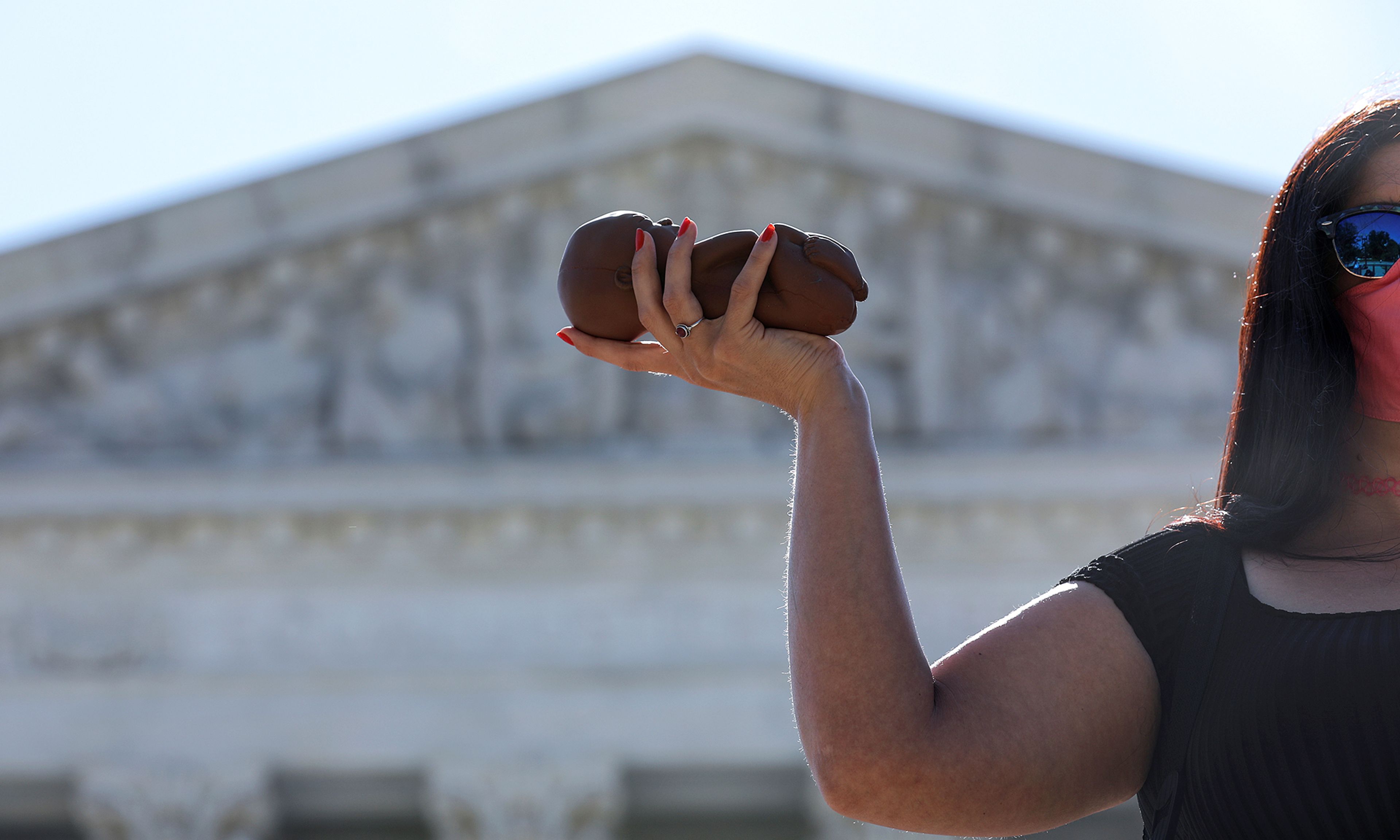
After Dobbs v. Jackson, the legal question of abortion now moves to state legislatures. Here they will face a jurisprudential question — that is, a moral question about what we as a political community should do. What does justice require of us as a political community in regard to procured abortion?
This question, of course, depends on what abortion is, and more particularly on whether abortion kills a human person. If human embryos or fetuses are human persons, then justice requires that the state treat these human beings in the same way it treats other human beings, including protecting them from being deliberately killed. (Dobbs did not directly address the issue of whether human embryos and fetuses in fact are human persons. It addressed only Roe’s claim that a fundamental right to abortion is implicit in the right to privacy or in the Constitution. It left to legislators the question of whether fetal life is innocent human life, or the life of a person.)






Comments