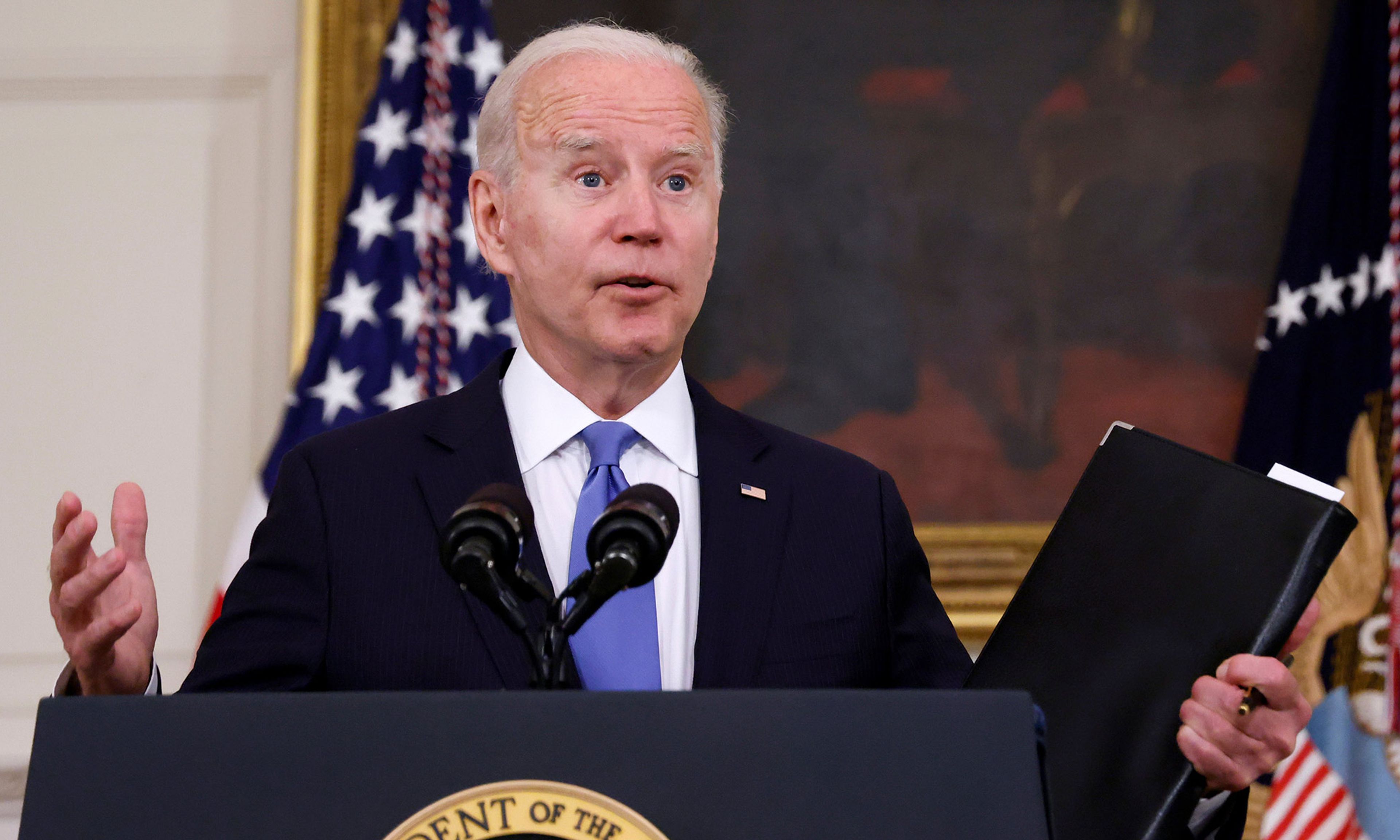
Instead of dividing the world into a simple left and right, one way of looking at politics in many Western nations since the end of the Cold War is that “the center” emerged to defeat its populist rivals on either side of it. In broad strokes, a portion of traditional left-leaning parties made their peace with capitalism as the Cold War ended. And some right-leaning parties, particularly the Tories in the U.K., but later also the Christian Democrats in Germany, ditched their commitments to social and moral conservatism. The Republican Party offered ineffective opposition to the center on moral and cultural questions.
This ascendant center, which tended to straddle the inherited partisan divides, landed on a few major policy ideas, or — more accurately — tendencies. The center was committed to the ever-freer movement of people, goods, and capital. In the European context, this meant the embrace of the euro, the expansion of the European Union, and the hoped-for withering away of what Irish taoiseach Micheal Martin recently called the “backward-looking idea of sovereignty.” In America, these commitments expressed themselves in support for NAFTA and for the creation of the Chi-merica economy, marrying capital-rich American business with a labor-rich China. Finally, the center was committed to an American-led world order, with active intervention against malefactors such as Slobodan Milosevic and Saddam Hussein. The center was technocratic. And because the centrist elements in both parties sought the favor of the college-educated and upwardly mobile, it tended to leave behind forgotten constituencies — even forgotten national regions.


Comments