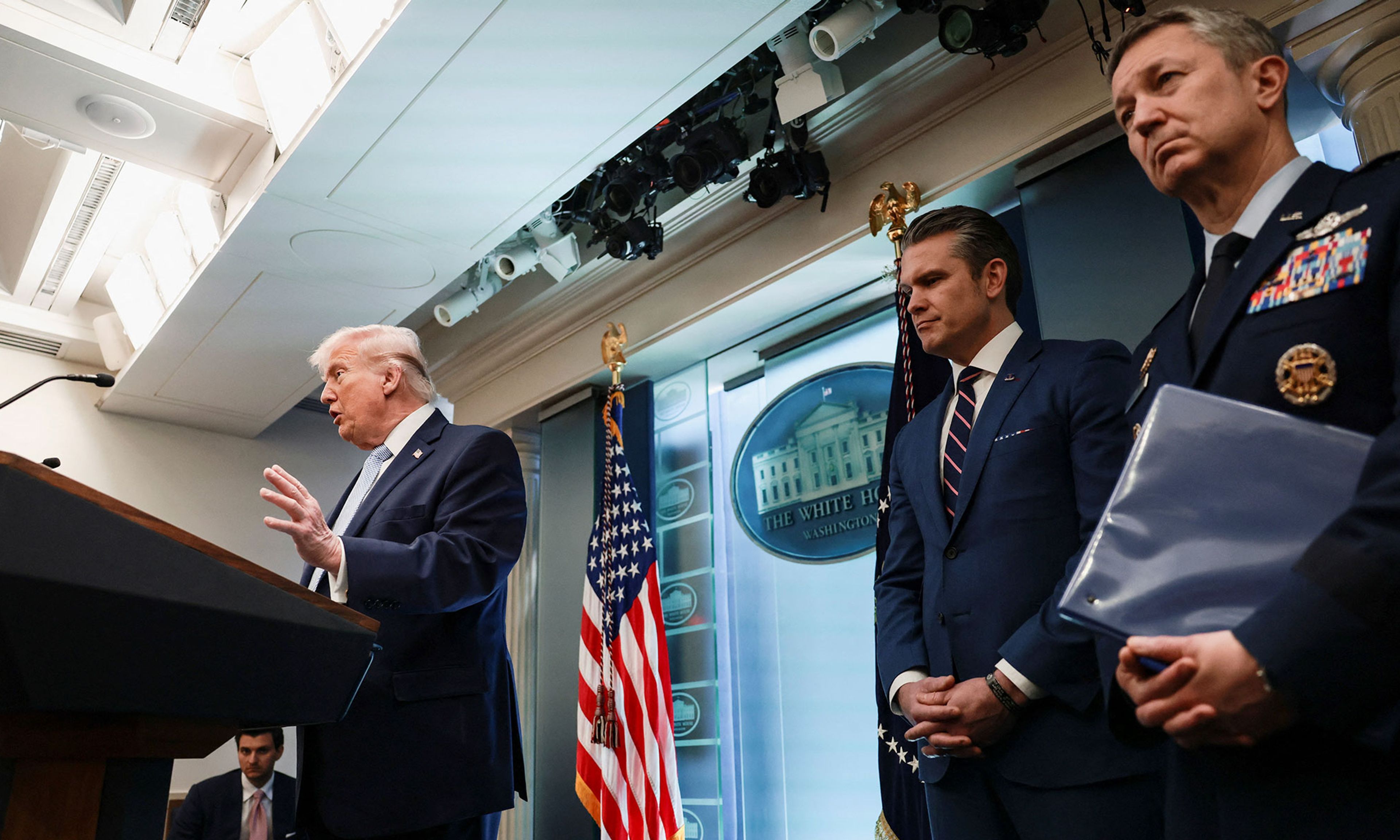
The United States’ ferocious use of force against Iran has failed to secure American objectives because of a profound disconnect between our political and military leadership. As the conflict drags on, it’s becoming clearer than ever that America’s problem does not lie in its military power or operational skill, but in a military culture that increasingly intervenes in and seeks to set policy. Against Iran, and in the Middle East more broadly, this imbalance is recoverable. But the U.S. faces a long-term, more dangerous threat from China in the Indo-Pacific region that requires a properly balanced — and therefore unequal — civil–military relationship.
The harsh reality is that America’s military culture may lose us our next war. Secretary of Defense Pete Hegseth can begin to fix this problem by ensuring that the president, when faced with crucial and time-sensitive military decisions, has access to multiple points of professional military view.





Comments