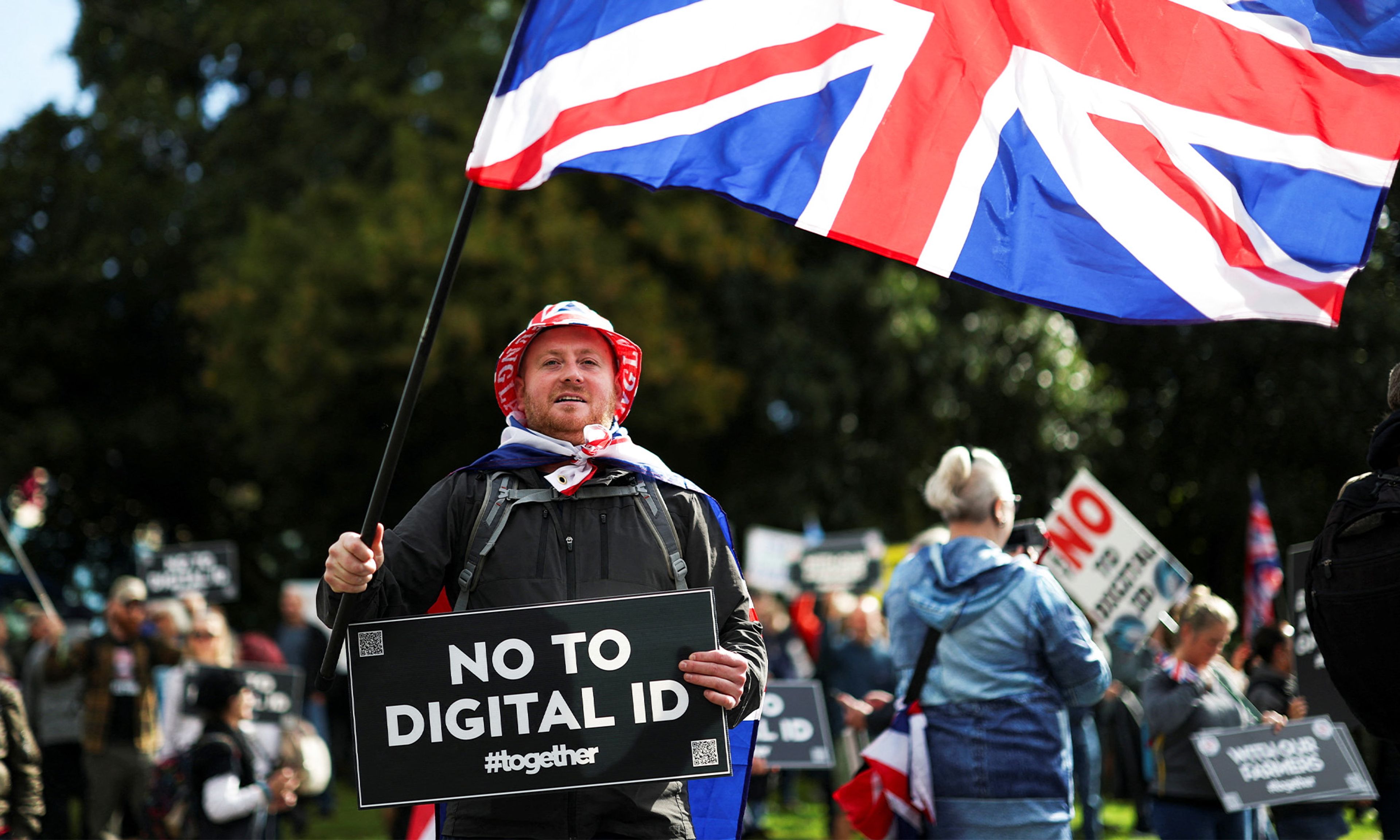
In some ways, I understand why there is some demand for a digital ID. In theory, a digital ID could offer individuals more privacy. Instead of handing your driver’s license over to a bouncer — who then learns your name, address, home state, exact birth date, and what class of vehicle you’re licensed to drive — you could simply confirm via your phone that you’re over 21 and allowed into a bar. Or, if you’re traveling and want to easily grant foreign doctors access to your medical records, a digital ID makes verifying just the needed information possible, limiting unnecessary data exposure. It could also function as a universal sign-in or passkey, relieving people of remembering multiple email and password combinations. Sixteen U.S. states have adopted some form of digital ID, with more in the planning process. But overall, that demand is limited — there’s no widespread clamor for this technology.
Twenty years ago, the British government under Tony Blair passed the Identity Cards Act to introduce a digital ID. Officials advertised that it would carry biometric data and track every use of the ID in a central database. Supposedly, this would make welfare fraud impossible, reduce illegal immigration, bring down administrative costs at the National Health Service, and help fight terrorism. The plan collapsed before full implementation, but Blair still advocates digital IDs.




Comments