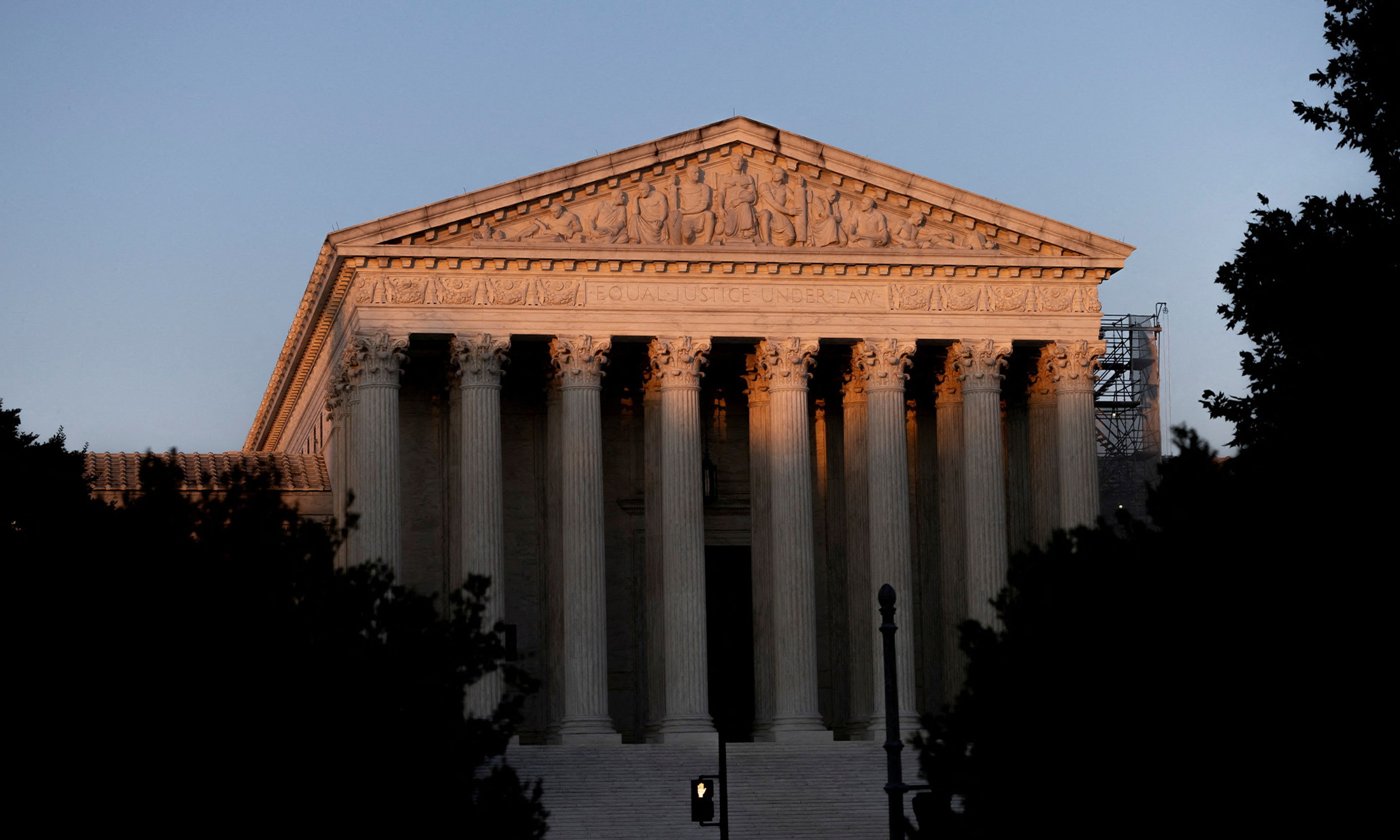
The U.S. Supreme Court doesn’t like election cases. It never has. Election cases push the justices to end up on a partisan side, which means that they get branded for siding with the team that appointed them, or denounced for betraying it. As a result, when applying areas of the law that call for judgment or discretion to election cases, the Court has tended to cast a skeptical eye and look for the exits.
That skepticism was still on display last week in the argument of Bost v. Illinois Bd. of Elections, but it was mixed with the justices’ concern that limiting standing to sue in pre-election challenges would only thrust them deeper into the partisan morass of post-election challenges.





Comments