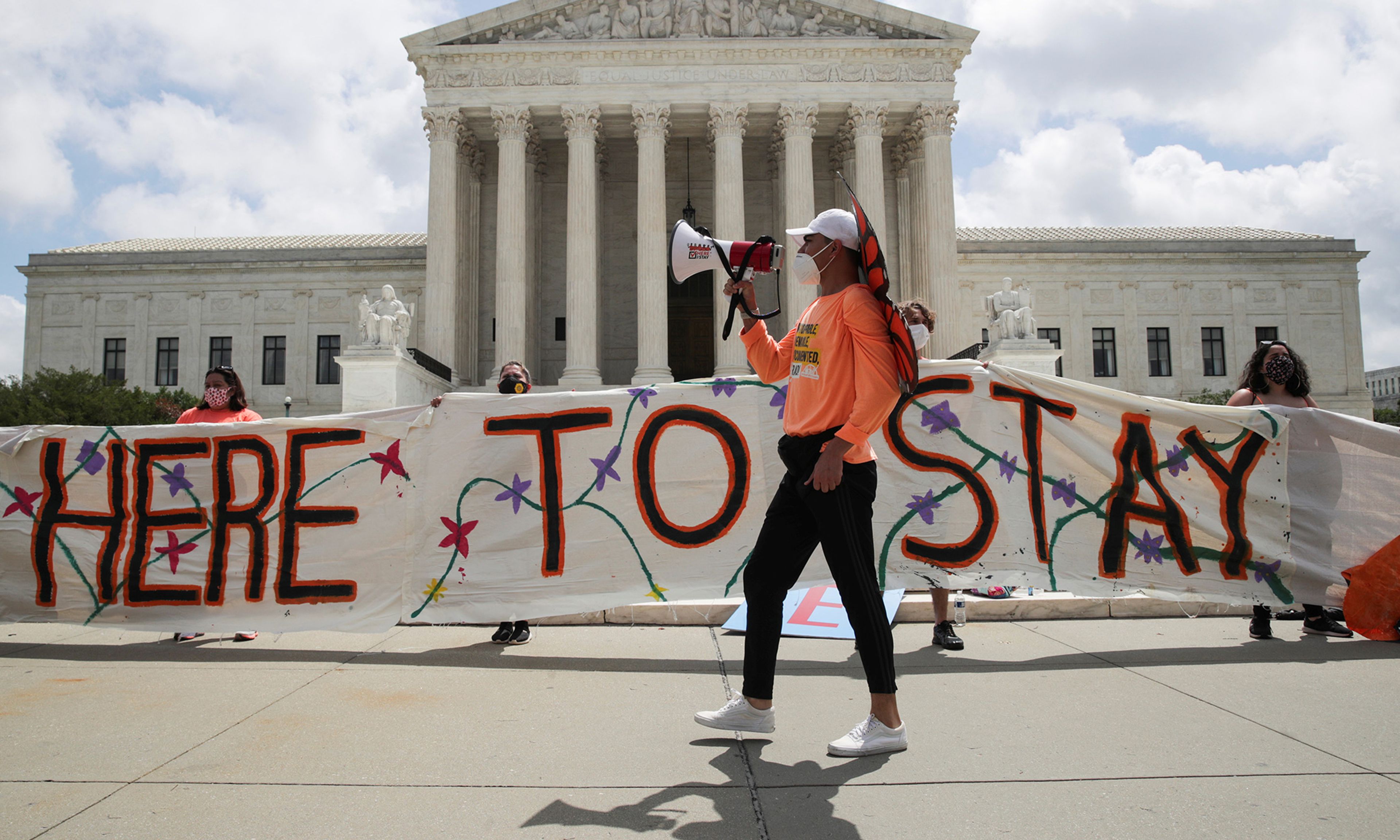
Chief Justice Roberts, joined by the Supreme Court’s four liberals, restored the Obama administration’s 2012 Deferred Action for Childhood Arrivals (DACA) policy, on the theory that the Trump administration failed to analyze or to explain two aspects of DACA repeal. DACA was a major policy issue contested in public campaigns. Only one Justice (Sotomayor) even questioned whether the Trump administration had the legal power to repeal DACA. The Court, moreover, assumed for the purposes of the decision that DACA itself was illegal, and eviscerated the Obama administration’s legal theories for enacting it. If elections for the presidency cannot undo major executive branch policies, why bother having elections at all? And if it is harder to repeal illegal executive actions than to adopt them in the first place, we have completely lost the plot of how a nation of laws is supposed to work.
Today’s decision, Department of Homeland Security v. Regents of the University of California, is certain to further undermine public confidence in the democratic process, particularly among voters who chose Trump because they were dissatisfied with Obama-era immigration policy and thought that Trump would possess the same executive powers as his predecessor. It is also yet another episode of how badly our system of lawmaking operates when laws are not made by Congress. It represents the third time — following the “Muslim travel ban” and census-citizenship-question cases — that Roberts has written an opinion on a major immigration-related issue and concluded that the Trump administration’s power to act in this area depends on whether it has conducted a process that looks adequate to judges. It reflects, once again, how Trump himself consistently undermines his own presidential powers. Finally, it further elevates the stakes in the presidential race for voters who care about immigration.





Comments