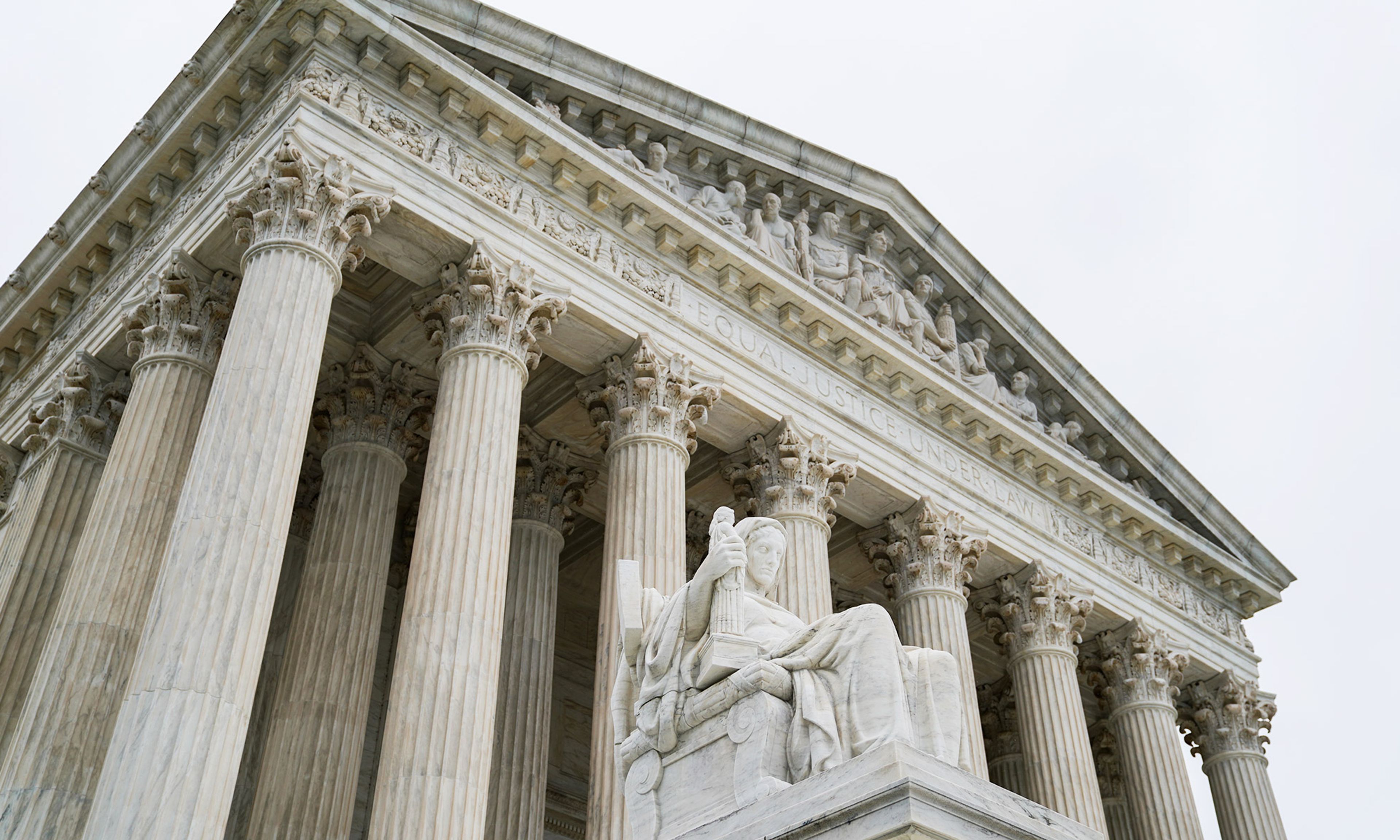
Hard cases make bad law, and bad decisions make more hard cases. Roe v. Wade was a bad decision that has distorted many areas of our law. The Supreme Court created this monster with Roe, but in the Texas abortion cases decided this morning, it found itself caught between two sides trying to evade or rewrite the rules. On the one side was the Texas legislature: The new Texas abortion law, S.B. 8, is a too-clever-by-half attempt to get around Roe’s distortions by creating its own somewhat-novel enforcement mechanism. On the other side were the abortion clinics and the Justice Department’s lawsuit, both of which treated legal abortion as a constitutional interest so powerful that protecting it required the Court to bulldoze longstanding doctrines limiting the powers of federal courts.
The Court did its best to avoid letting the politics of abortion further warp the relationships between federal courts and state government. In Whole Woman’s Health v. Jackson, the challenge brought by Texas abortion clinics to S.B. 8, it refused to allow unprecedented federal lawsuits against state-court judges and clerks. It dismissed the suit against the Texas attorney general, who has no power to enforce the statute. It gave the back of its hand to Merrick Garland’s entirely novel suit by the Justice Department, tossing it from the Court’s docket and leaving in place a stay entered by the Fifth Circuit that stopped the DOJ suit in its tracks. These are prudent decisions that uphold traditional rules. Only Justice Sonia Sotomayor wanted anything to do with Garland’s outlandish lawsuit.





Comments