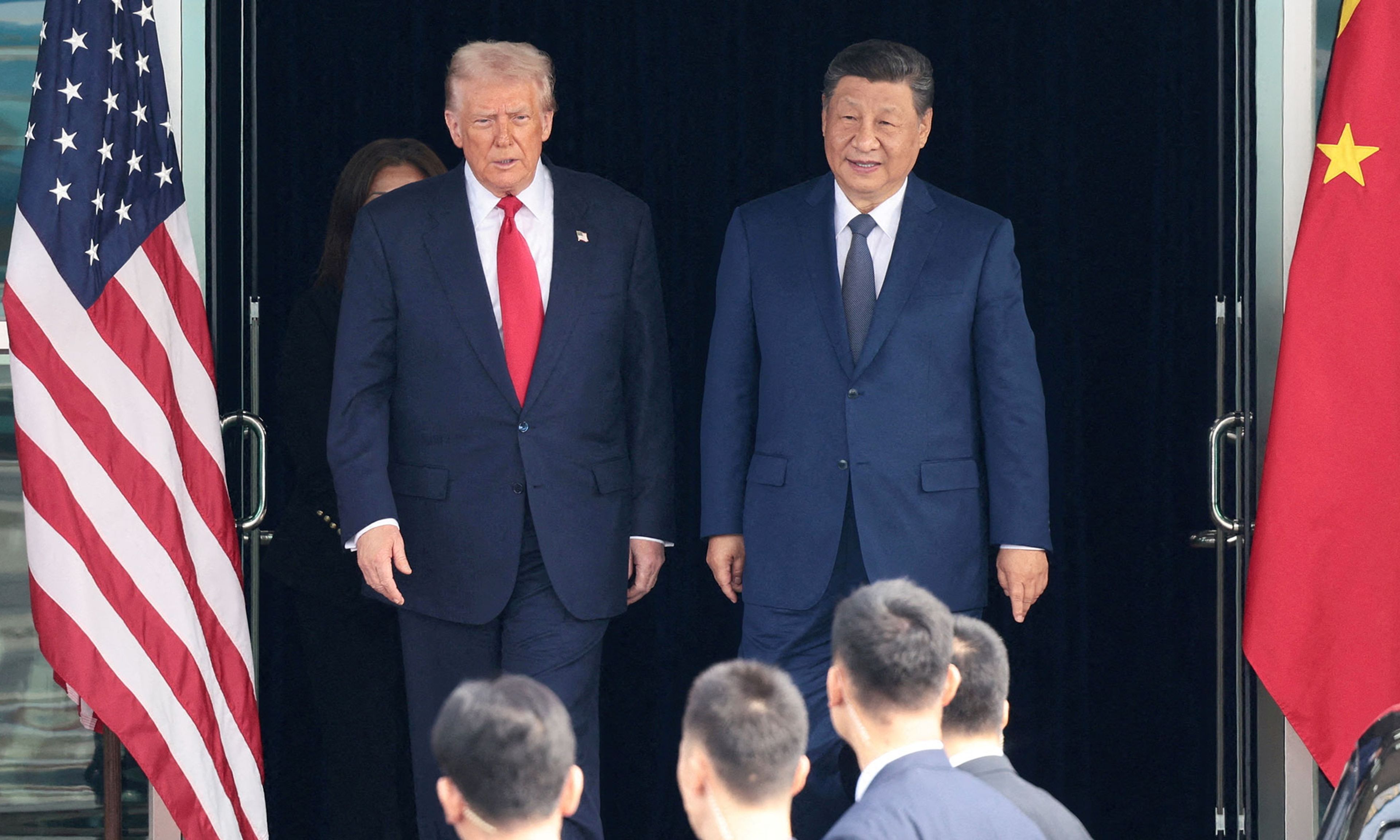
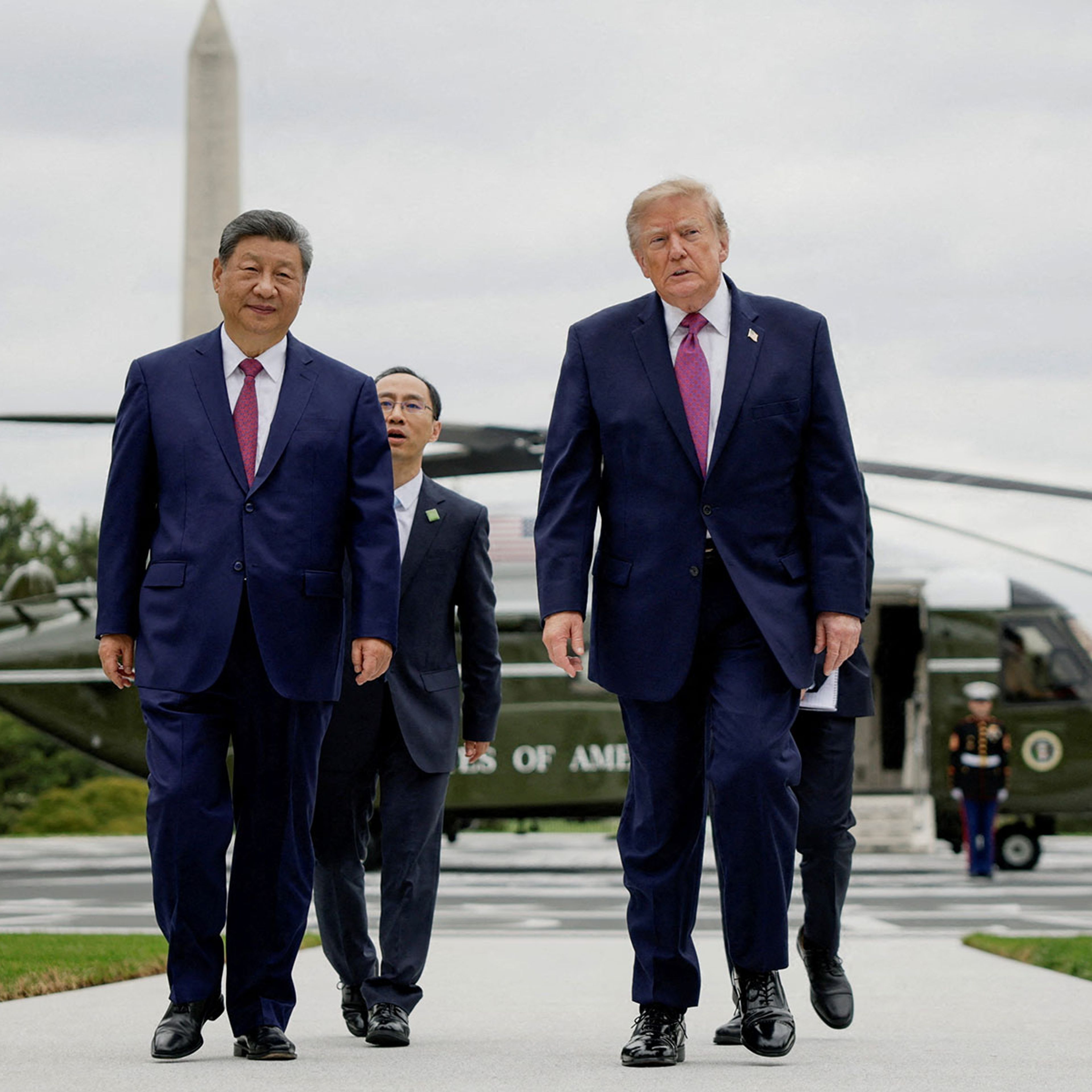
The much-anticipated summit between President Trump and Chinese leader Xi Jinping is finally set to take place after weeks of uncertainty, compressed planning, and geopolitical drama. Originally set for earlier in the year, the meeting was postponed amid escalating tensions in the Middle East — particularly the U.S.–Iran conflict — and was rescheduled only after intense behind-the-scenes coordination. Even now, the summit, scheduled for May 14 and 15, proceeds under a cloud of contingency: The war has not reached a clear resolution, and the visit itself has been shortened to roughly 36 hours, a signal of lowered expectations and constrained ambitions.
Yet the very fact that the meeting will occur, despite war, strategic distrust, and logistical disarray, underscores a deeper reality: U.S.–China relations remain the most consequential bilateral relationship of the 21st century. Washington and Beijing need to engage with one another, if only to prevent escalation and stabilize a relationship that is increasingly defined by competition.

Comments