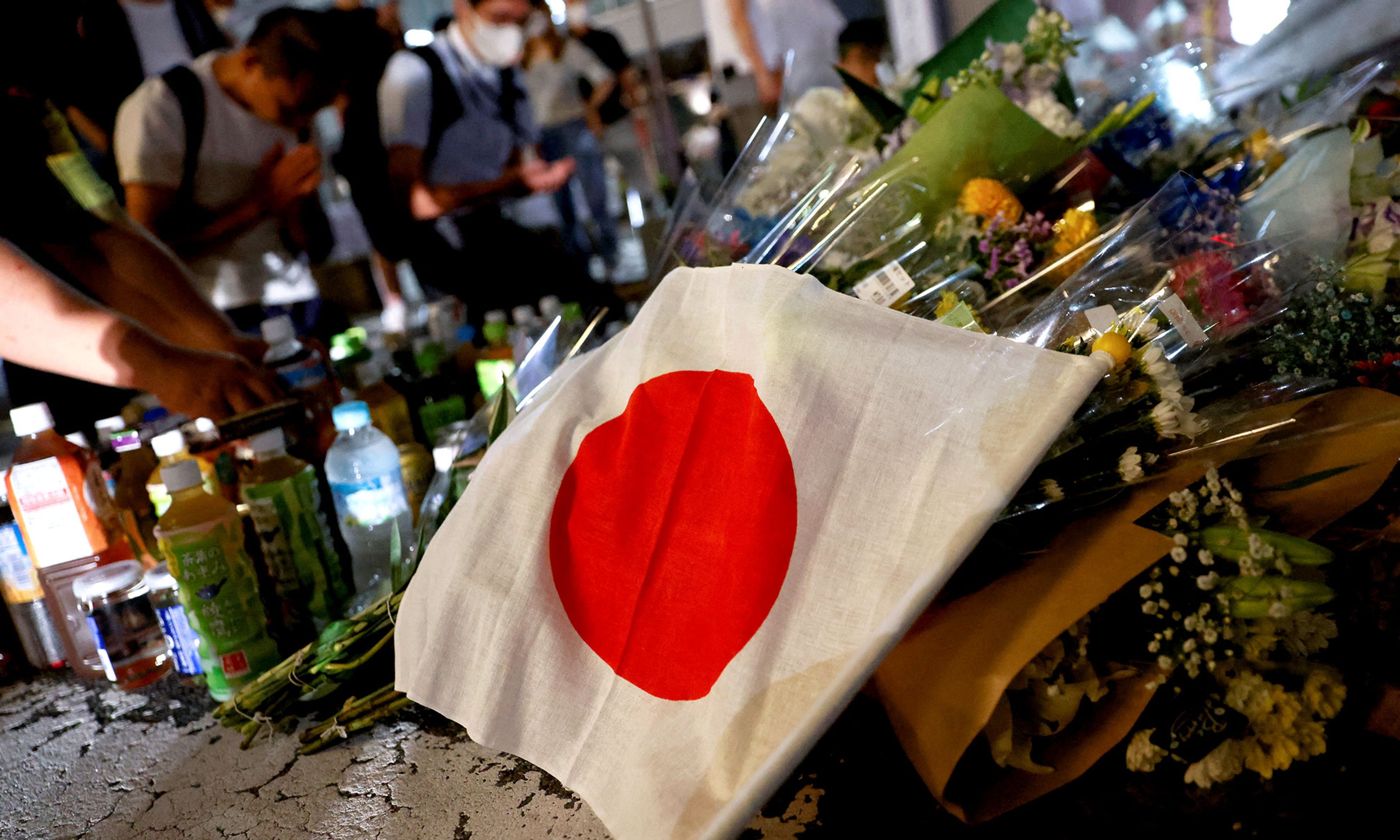
The assassination of Shinzo Abe is shocking. The former Japanese prime minister, the longest-serving leader in the history of that office, was gunned down today with a homemade shotgun while giving a speech at a campaign rally in Nara for a parliamentary candidate. This seems jarringly out of character for 21st-century Japan, a nation that is proverbial for its orderliness and respect for hierarchy, effectively purged of firearms, and steeped in 77 years of pacifist tradition after the self-inflicted horrors of the Second World War. A baffled Joe Biden even claimed, with characteristic inaccuracy, that Abe’s assassination “is the first use of a weapon to murder someone in Japan.”
In fact, assassinations have a vivid, traumatic, and influential history in Japanese politics. One hopes that the Abe assassination, while it may revive memories of that history, will remain a one-off product of individual derangement.





Comments