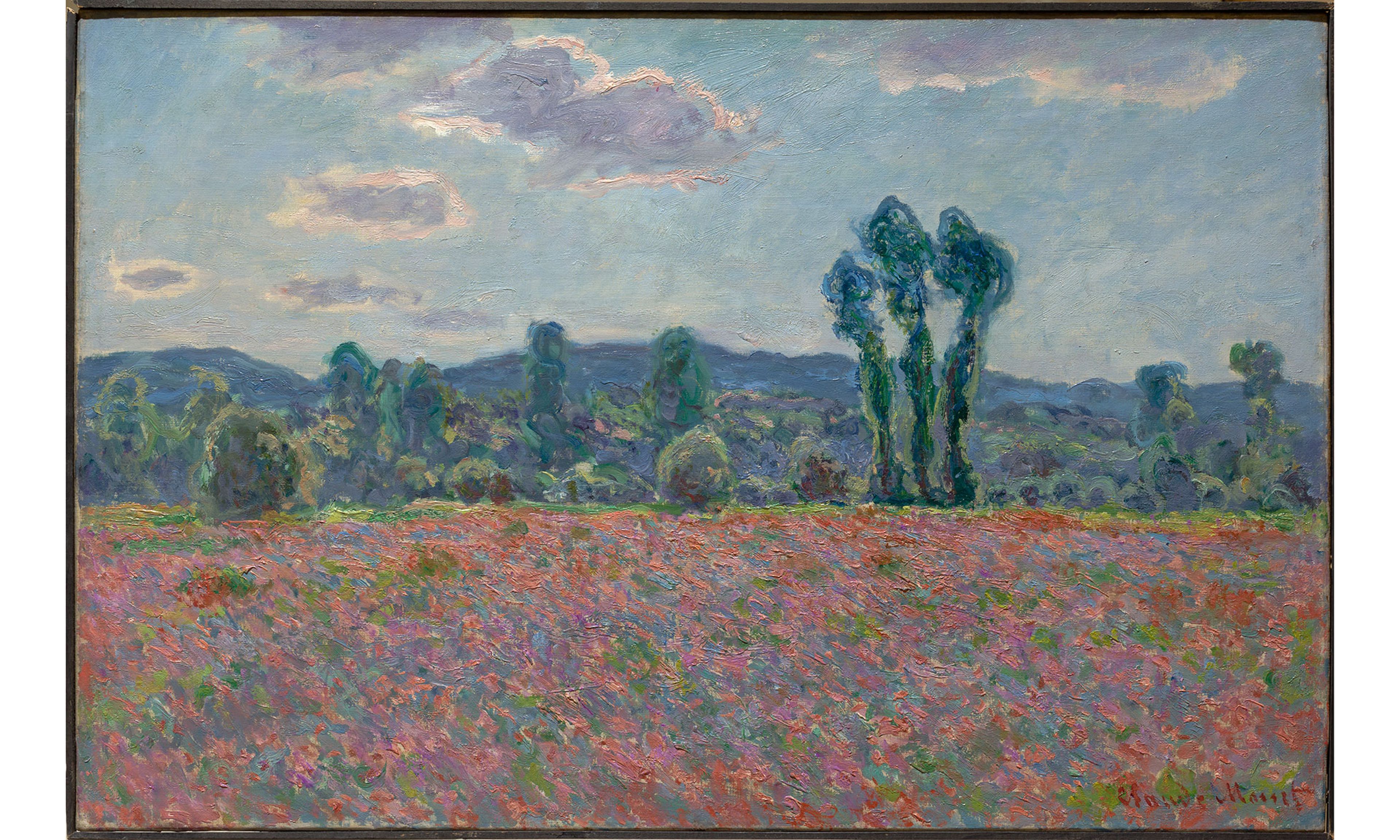
The Morozov Collection: Icons of Modern Art is the new and spectacular exhibition on view at the Louis Vuitton Foundation by the Bois de Boulogne in Paris. For the intrepid art lover, it’s well worth going to Paris to see it, if there are not enough reasons to visit already. It’s the first time the Russians have lent the art collected by the two Morozov brothers, some of the very best paintings by Gauguin, Cézanne, Van Gogh, Picasso, and many other giants of the French fin de siècle avant-garde. At almost 200 paintings and sculptures, the show is the art event of the year, unless the queen or the pope decide to send their treasures on the road in the next few weeks.
Mikhail and Ivan Morozov, having a monumentally big textile fortune, bought well and prodigiously. Mikhail (1870–1903) collected for a short time, only five or so years, while Ivan (1871–1921) shuttled from Moscow to Paris, buying from dealers until the First World War made this impossible. Soon after the 1917 Bolshevik Revolution, Ivan and his family fled. The new regime confiscated the Morozov art, nationalized it, and at the Pushkin Museum and the Hermitage it has lived, never contextualized, never viewed as an entirety, and never interpreted as the vision of these two idiosyncratic brothers. Art isn’t the exclusive province of artists and art historians. Dealers, collectors, and critics are vital, too, in building bonds between great art and the public.
Comments