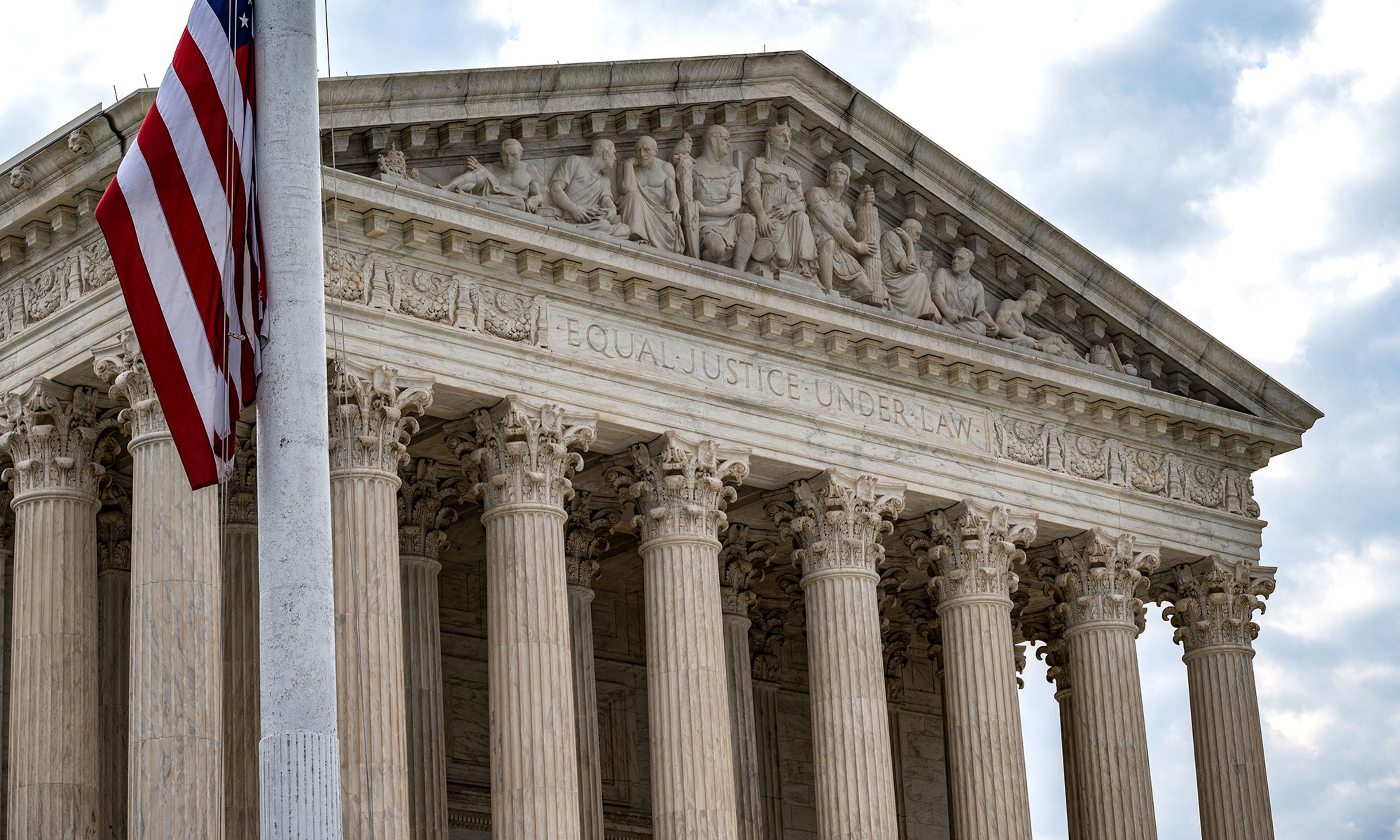
It’s been a good stretch for racial discrimination at the Supreme Court — at least, when Congress orders it. Last week, in Allen v. Milligan, the Court required Alabama to draw two specially segregated congressional districts for black voters. Today, in Haaland v. Brackeen, the Court upheld a congressional statute that prefers to have Native American children adopted by Native American parents, even when a child’s own biological parents say otherwise. In addition to the Court’s three liberals, who predictably sided with laws drawing racial distinctions in both cases, both decisions were joined by Chief Justice John Roberts (who wrote Allen) and Justice Brett Kavanaugh. The Haaland decision was written by Justice Amy Coney Barrett and joined by Justice Neil Gorsuch. Only Justices Clarence Thomas and Samuel Alito dissented in both cases.
When can the government openly discriminate on the basis of race? We may get a much firmer answer when the challenges to racial preferences in college admissions come down in the next two weeks. For now, one answer is that the Court will be more deferential when it’s Congress doing the race-discriminating. That may not be such good news for the colleges, whose actions are being challenged for violating the federal Civil Rights Act as well as the Constitution.





Comments