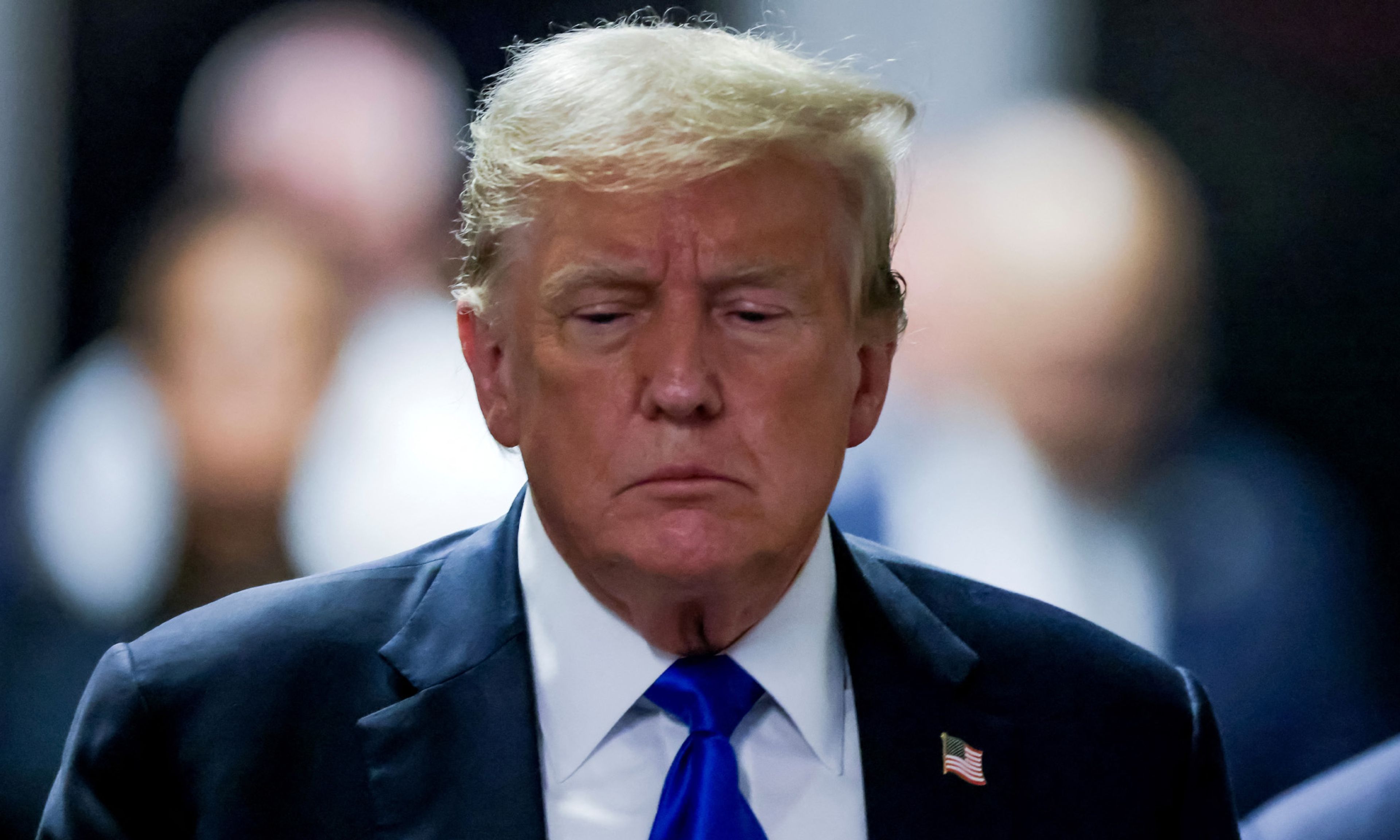
There is now a defensive solution to a great deal of lawfare, at least in the presidential context. In its July 1 immunity ruling, the Supreme Court held that federal prosecutors, who are inferior executive-branch officers, may not inquire into the motives of the chief executive. Where the rubber meets the road, that means that as long as a president’s official acts were within his legitimate executive authority, prosecutors — in particular, those from a subsequent administration of the opposition party intent on abusively criminalizing policy disagreements — may not charge those official acts as crimes just because the prosecutors theorize that the president acted corruptly.
Significantly, this doesn’t mean Congress is powerless to act. To the contrary, the Constitution makes Congress the proper check on executive corruption. Lawmakers may and often do take action — from slashing budgets and declining to confirm nominees, all the way up to impeachment and removal — in response to presidential abuses of power. That is just not the prosecutors’ job. When they undertake to do it, prosecutors undermine the constitutional system, which requires an executive unfettered by concerns that bold action in the nation’s interest will become grist for criminal indictments or civil lawsuits.





Comments