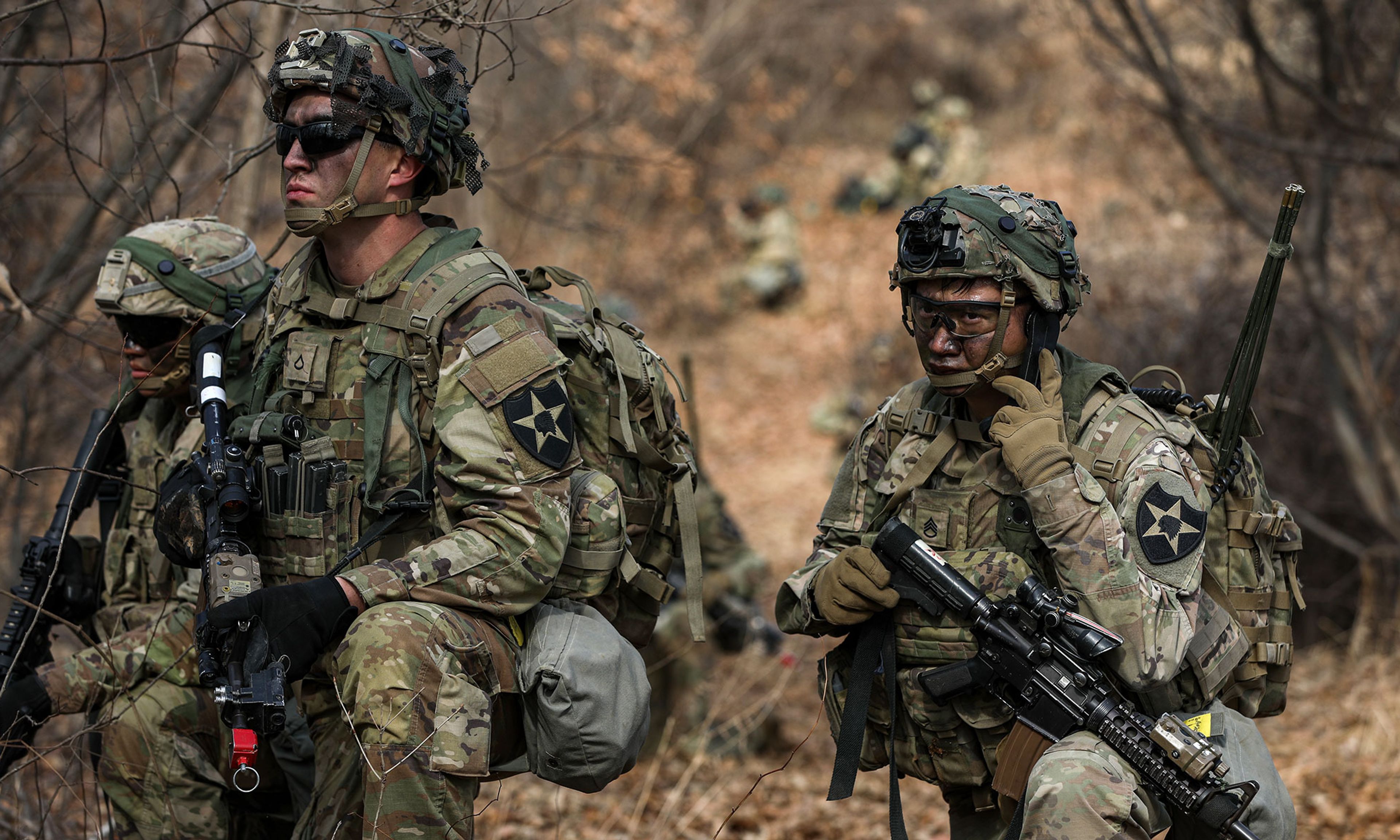
Arising axis comprising China, Russia, Iran, and North Korea threatens American interests across the Eurasian continent — from East Asia to Europe to the Middle East. It would be a mistake to overly compartmentalize the regions. A crisis in one theater could quickly spiral into a conflict elsewhere. For example, if China can pin down the United States in the Taiwan Strait, Russia and Iran may seize the moment to attack their neighbors. Such opportunistic aggression has occurred regularly throughout history, such as when America focused heavily on deterring a Soviet invasion of Europe but was then surprised and unprepared when the communist regime in North Korea attacked U.S.-supported South Korea.
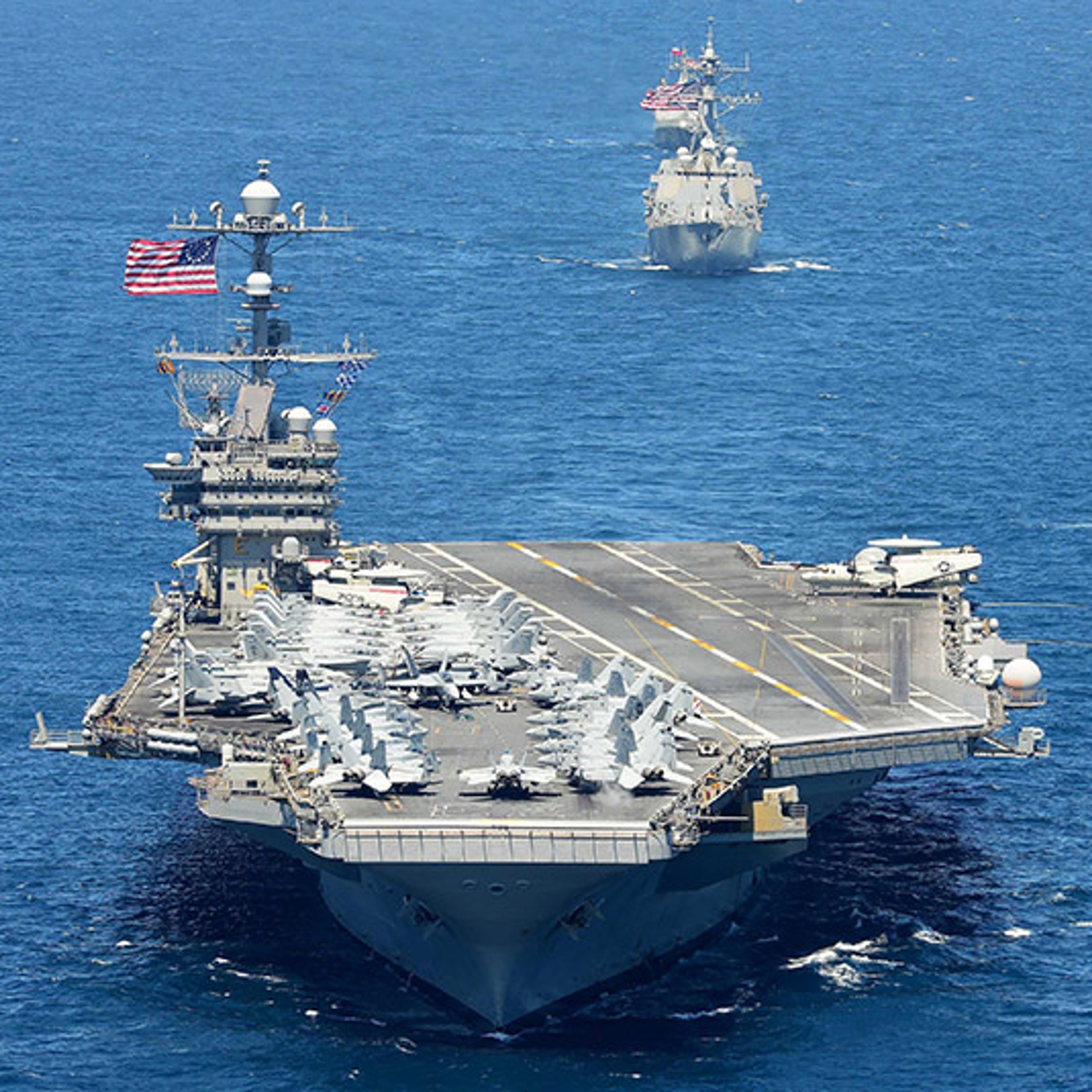
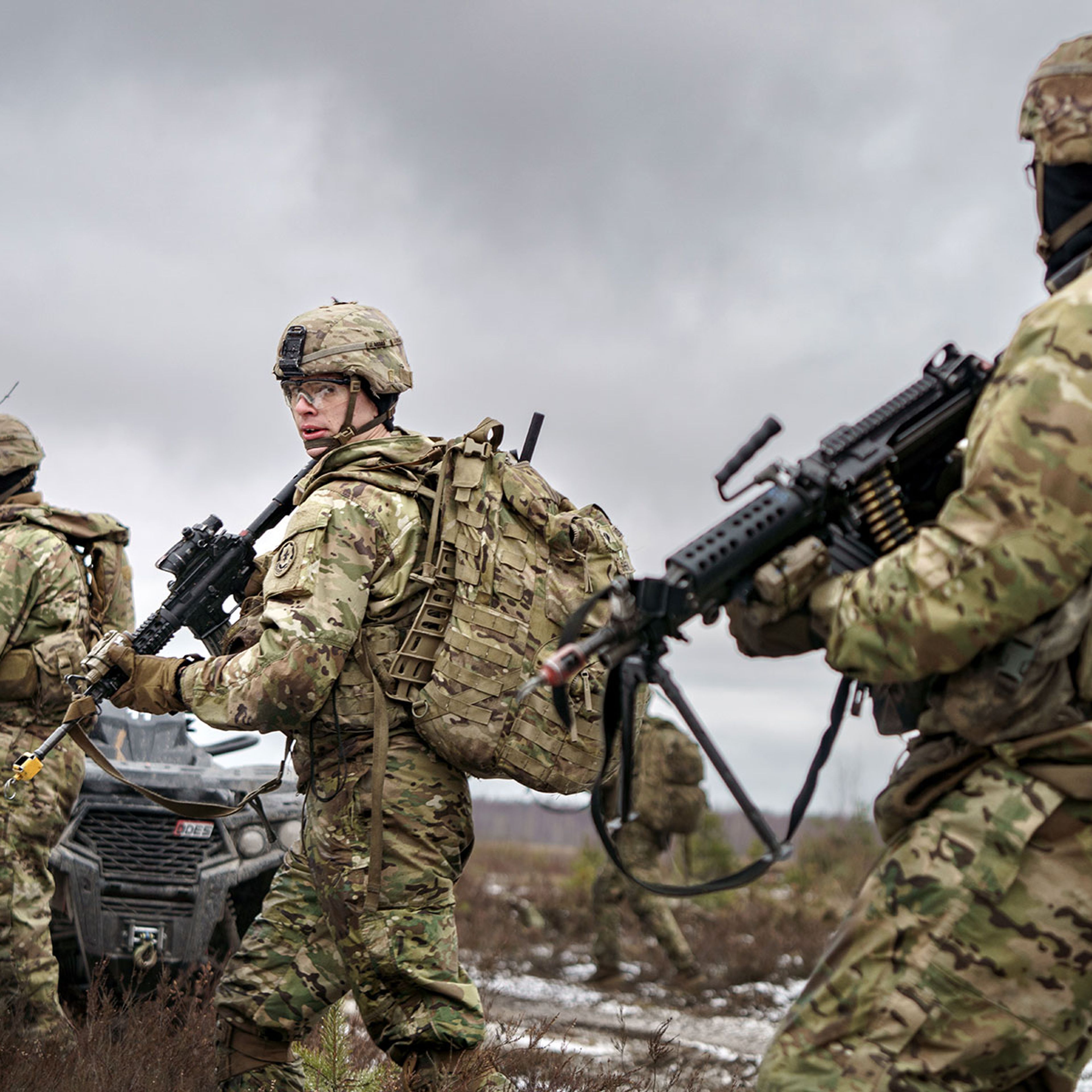
The United States should be careful as it adapts its military posture at a time in which allies are actively preparing to contribute more of the responsibility for conventional deterrence within NATO. Relocating some U.S. forces from one theater to another may be a prudent policy, but withdrawing too many or too quickly or focusing exclusively on deterring China in a single scenario risks disaster. Testimony from two recent congressional hearings should remind Americans of this point.


Comments