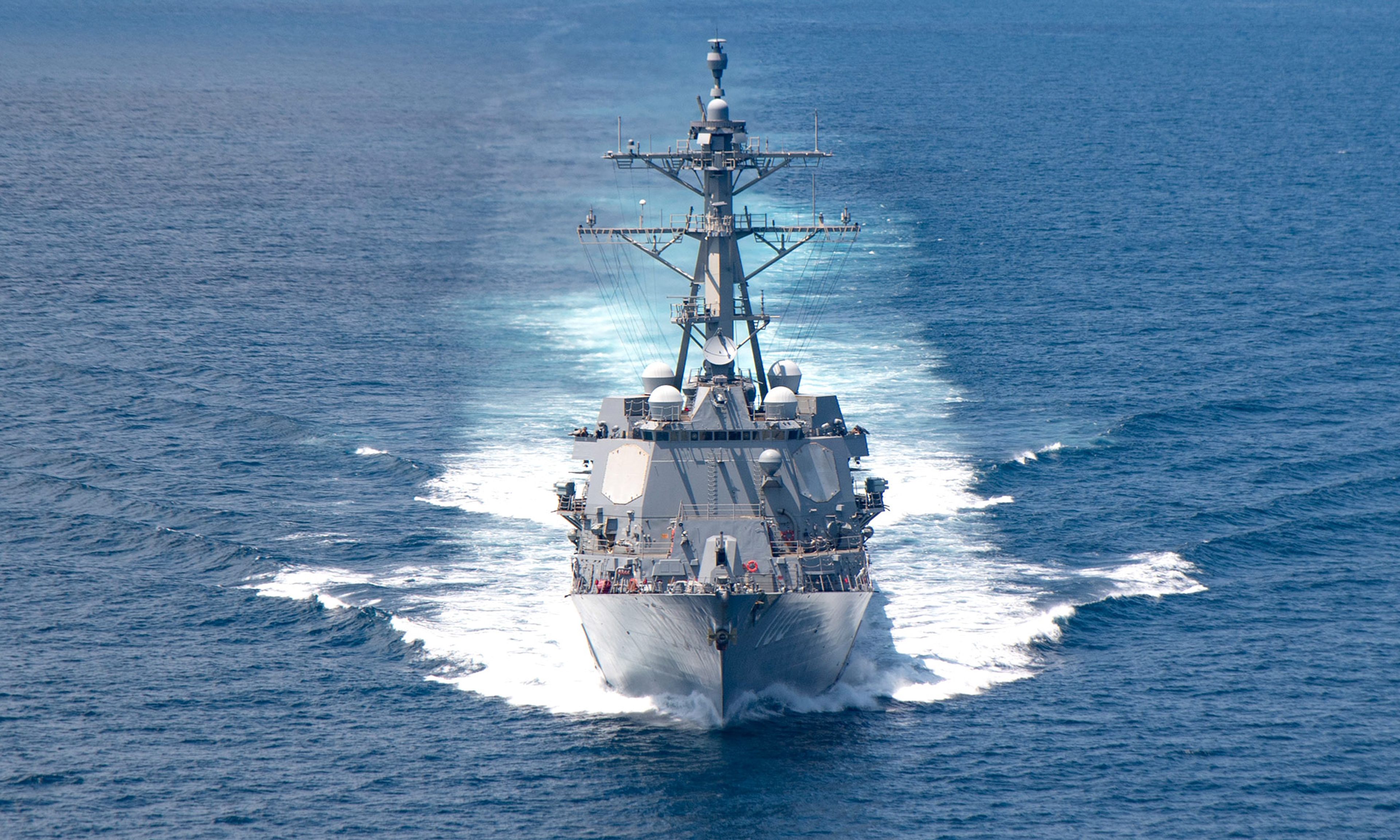
The recent Center for Strategic and International Studies (CSIS) war game of a Taiwan conflict may provide the reader with a sense of safety. If, as the war game’s result concludes, China would lose a Taiwan war at severe cost, Beijing is unlikely to authorize such a risky gambit. Deterrence holds, at least for now. Considering the sheer scale of the Taiwan endeavor, it will hold for some time. Really?
In fact, the war game’s results — provisional as they are — indicate precisely how close the cross-strait balance has become. Moreover, the U.S. Indo-Pacific position stems from a dominant balance, not one that rests upon a knife’s edge. A confrontation, if not open conflict, is increasingly likely absent a hard course correction, including a dramatic increase in military spending, an expansion of U.S. and allied stockpiles, and the forward-deployment of more forces to the First Island Chain and western Pacific. The war game is a warning, not a palliative.





Comments