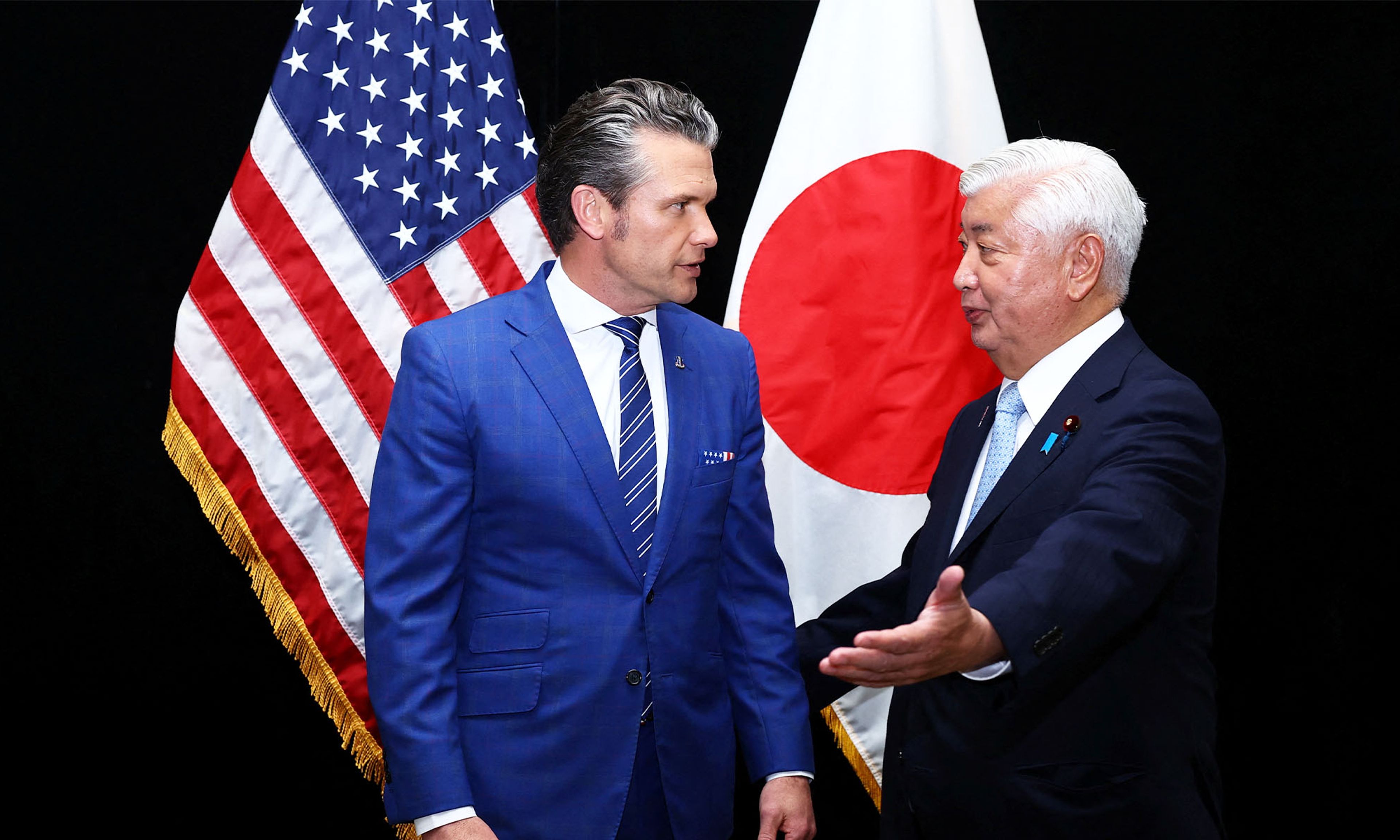
The Shangri-La Dialogue — Asia’s premier security summit where defense ministers, military leaders, and regional powers take the measure of a rapidly changing Indo-Pacific — opens this week. The timing matters. Coming on the heels of the Trump-Xi summit, the dialogue is the first reveal of how regional allies are recalibrating their positions amid intensifying U.S. — China competition. Two major questions will dominate the discussions: What happens next with Iran and the Strait of Hormuz, and do America’s allies still believe the United States can deter China over the long term?
The instability surrounding Iran matters enormously in the Indo-Pacific because Asia is far more vulnerable to energy shocks than the United States. Japan, South Korea, India, and much of Southeast Asia depend heavily on oil and gas flowing through the Strait of Hormuz. America is far less exposed today because Republicans and President Trump helped unleash domestic energy production at scale, though the pain is still very real for inflation-fatigued consumers at the pump. That energy independence matters strategically, as it gives the U.S. leverage and resilience that many of our allies simply do not have. Even so, there are serious political headwinds at home to applying the kind of sustained pressure needed to keep Iran from following North Korea’s path: quietly advancing to a hardened nuclear threshold, shielded by missiles, proxies, and regional coercion.


Comments