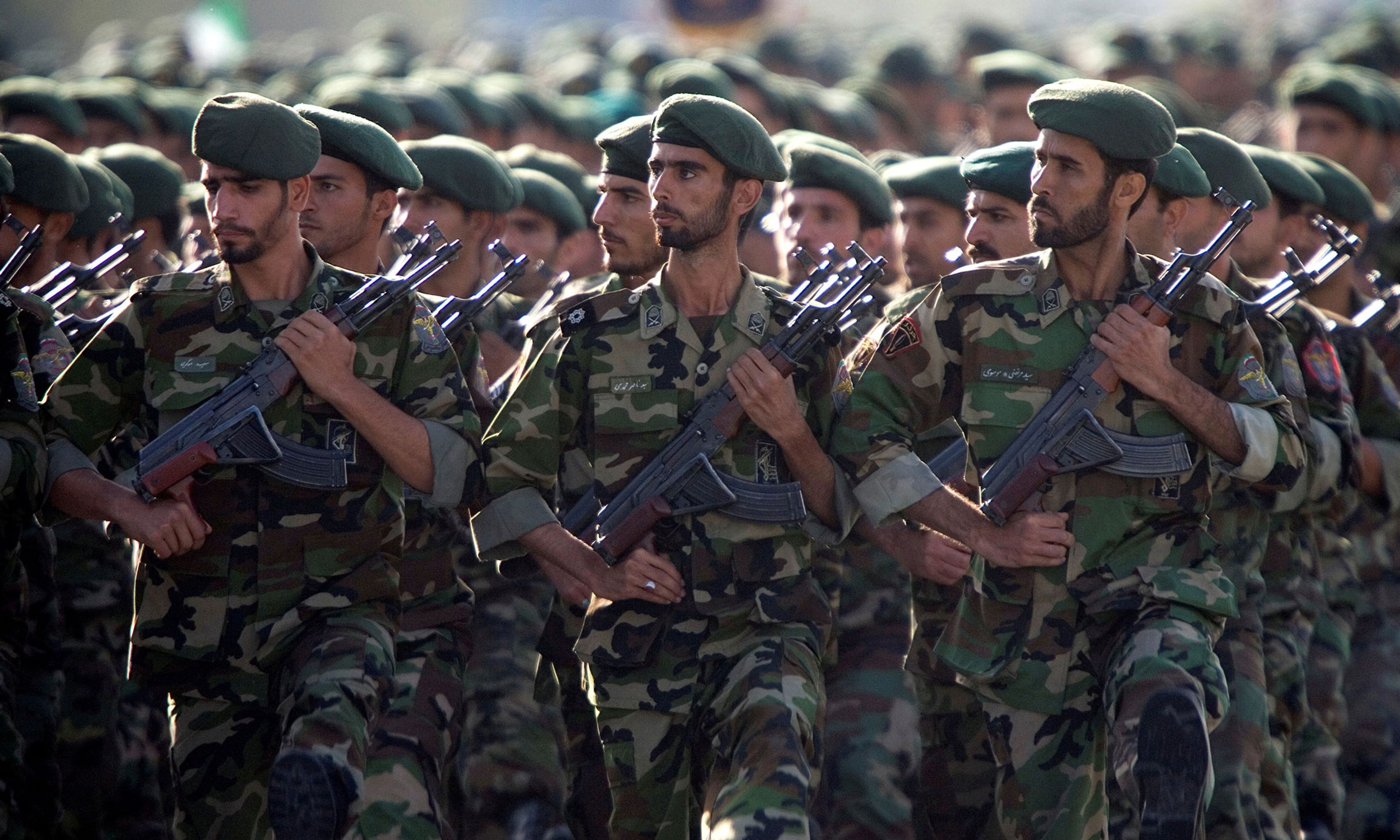
In the wake of the U.S. killing of General Qasem Soleimani of the Islamic Revolutionary Guard Corps (IRGC), Iran is scrambling to figure out how to respond to President Trump. Throughout 2019, Iran ratcheted up threats and tensions, targeting oil tankers in the Gulf, Saudi Arabia, and U.S. troops in Iraq via proxies, testing Washington’s response. The decision to kill Soleimani, who arrived at Baghdad International Airport without any apparent suspicion of his impending death, threw down a gauntlet to Tehran that left the Ayatollah and the IRGC grasping for response options. This is a lesson to be learned from the recent Iran tensions: The U.S. can strike back at Iran and its allies without a major war resulting, so long as Iran is surprised or confused by the U.S. response.
Iran, in response, fired ballistic missiles at two U.S. bases in Iraq because it didn’t know what else to do. Ballistic missiles enabled Iran to strike without risking its own casualties and to showcase a technology that it has and that the U.S. lacked defenses against in Iraq. But the strike was limited in scope, and Iran hoped that at worst the U.S. would respond with cruise missiles or some similar kind of missile strike. How do we know this? Iran didn’t put its whole country on a war footing when it fired the missiles. It did down a civilian Ukrainian Airlines flight by mistake, showing that it expected some kind of aerial retaliation.





Comments