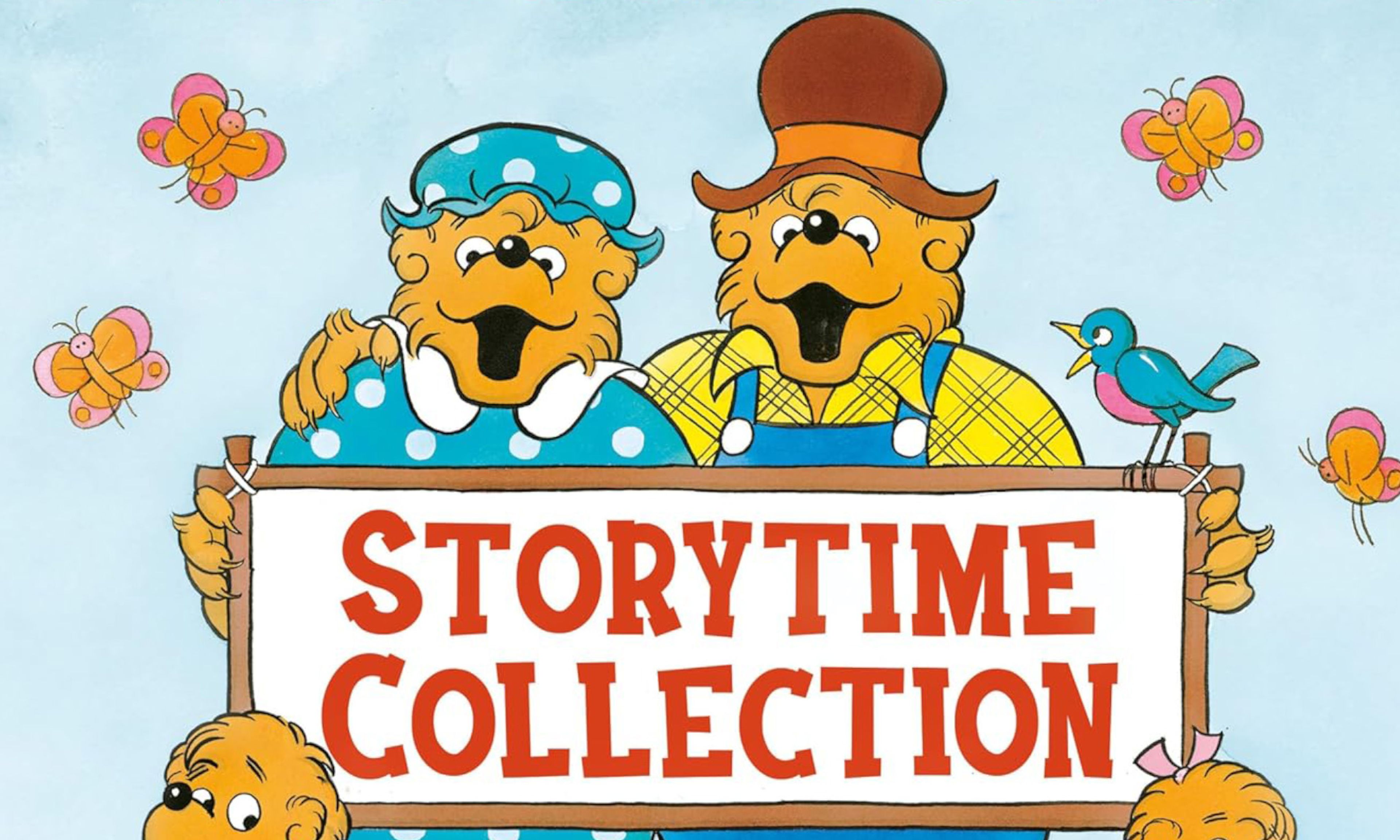
The nurturing power of presence can conquer the imperfections of man in the raising of a child. There is no better example of this phenomenon than the presence of a father — even if he is flawed — in the home. Countless studies have confirmed the resilient truth that fathers in the household shape the social and emotional behavior of children in profound ways. Yet their pulse continues to fade. According to the U.S. Census Bureau, around one in five children lives without a father in the home. Pop culture has abetted this disheartening pattern, consistently depicting fathers as incompetent birdbrains irrelevant to or incapable of cultivating the well-being of their children.
Thirty-six years ago, the estimable Charles Krauthammer failed to recognize this truth in his presentation of Papa Bear in a 1989 Washington Post hit piece against the Bear family, the protagonists of Stan, Jan, and Mike Berenstain’s popular children’s book series that has sold over 350 million copies. He accused Papa of being a “wimp,” painting him as an irresponsible nincompoop who misbehaved in a slovenly manner. Krauthammer’s portrayal has stained the grizzly’s legacy to this day.





Comments