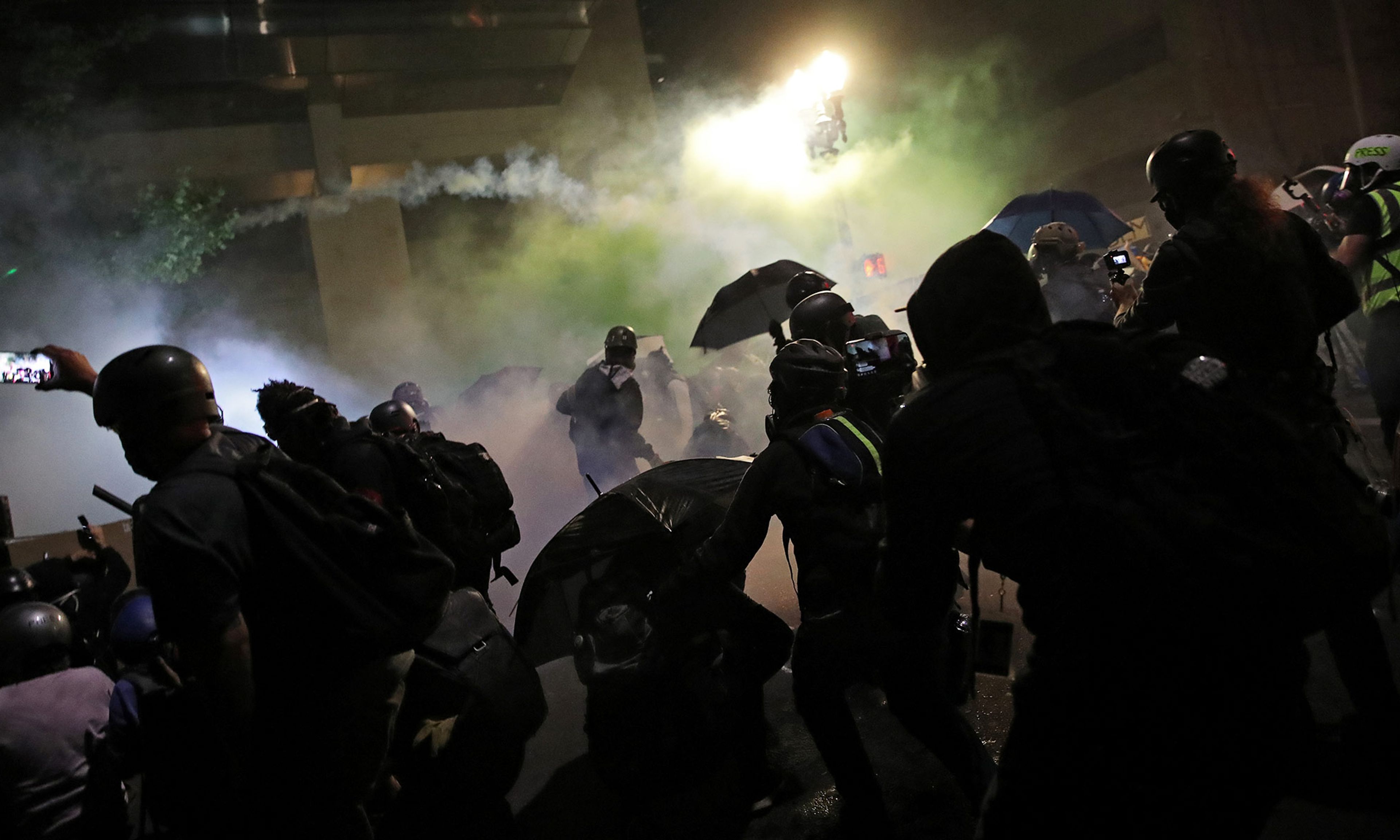
A week before the Democratic National Convention in 1968, the Beatles released “Revolution,” blindsiding the generation that trusted them. The hippest pop critics resented “Revolution” because it went against the student tantrum movement. Some felt betrayed, others inferred their own anxious need to dissent anyway. Time has proven the Beatles right in refusing to go along with violence, destruction, and self-aggrandizement. It was a moment of pop-culture wisdom, but the song’s title really should have had a question mark.
By contrast, this week’s virtual DNC convention has met no cultural opposition. “WAP,” Megan Thee Stallion and Cardi B’s whore’s anthem, shows the degrading values that liberal pop musicians contribute to the DNC’s convention week. The DNC pop line-up, from John Legend to Billie Eilish, is banal. (Stephen Stills and Billy Porter’s drag-queen rendition of “For What It’s Worth” was worse than banal; it was ludicrous.) Stoking the ambiguous relation of rock music and pop culture to rebellion — minus the Beatles’ warning — makes celebrity support of protests, violence, and anarchy absolutely, well, revolting.




Comments