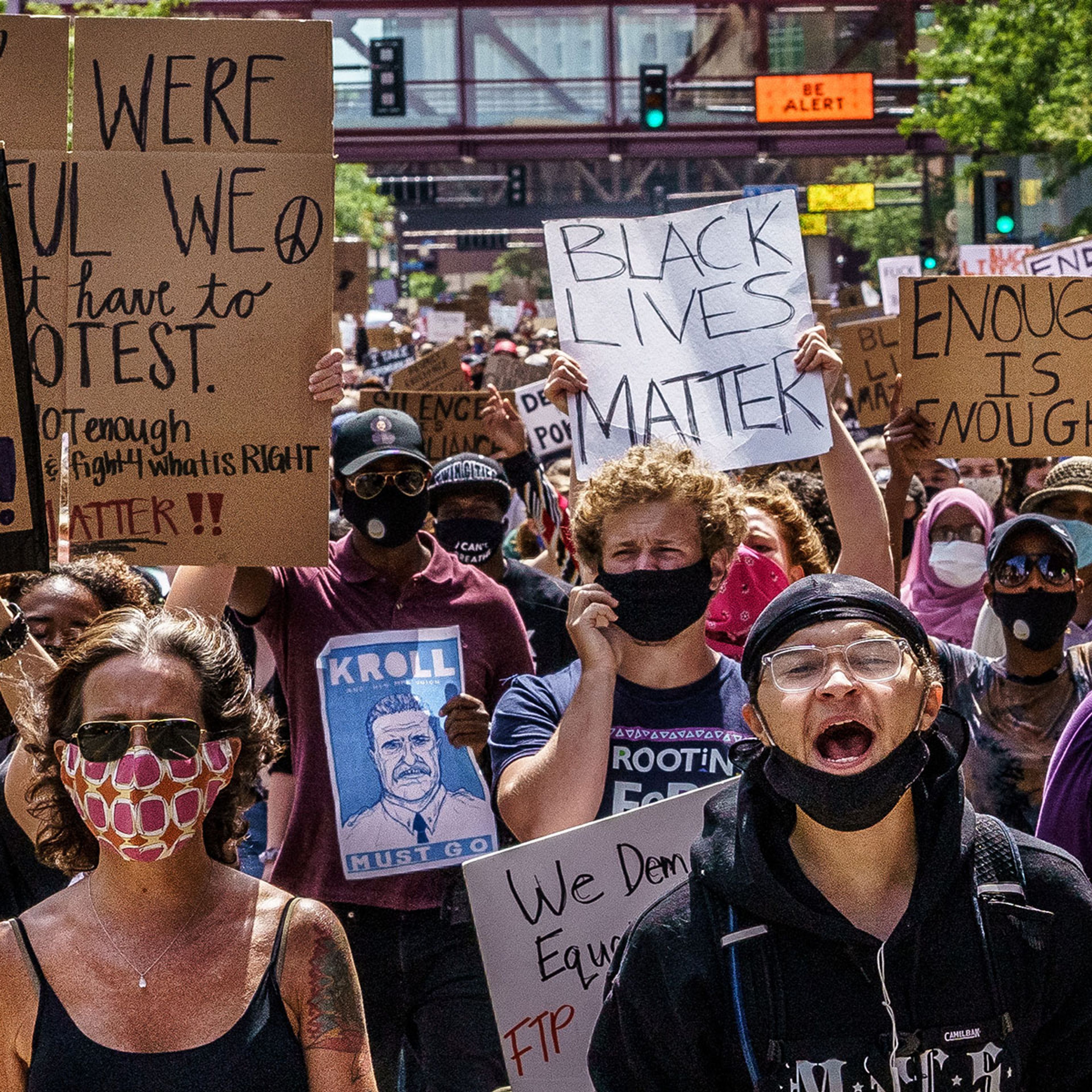
American conservatism faces an array of difficult if not intractable challenges and problems. Progressives dictate revolutionary claims about gender, race, economics, and policing while dismissing American history as just racism, sexism, and homophobia. Moreover, they control the commanding heights of culture, education, social media, influential corporations, and the federal bureaucracy. Conservatives still win elections about half the time, but confront incredible obstacles in governing because of this political, cultural, and educational imbalance of power.
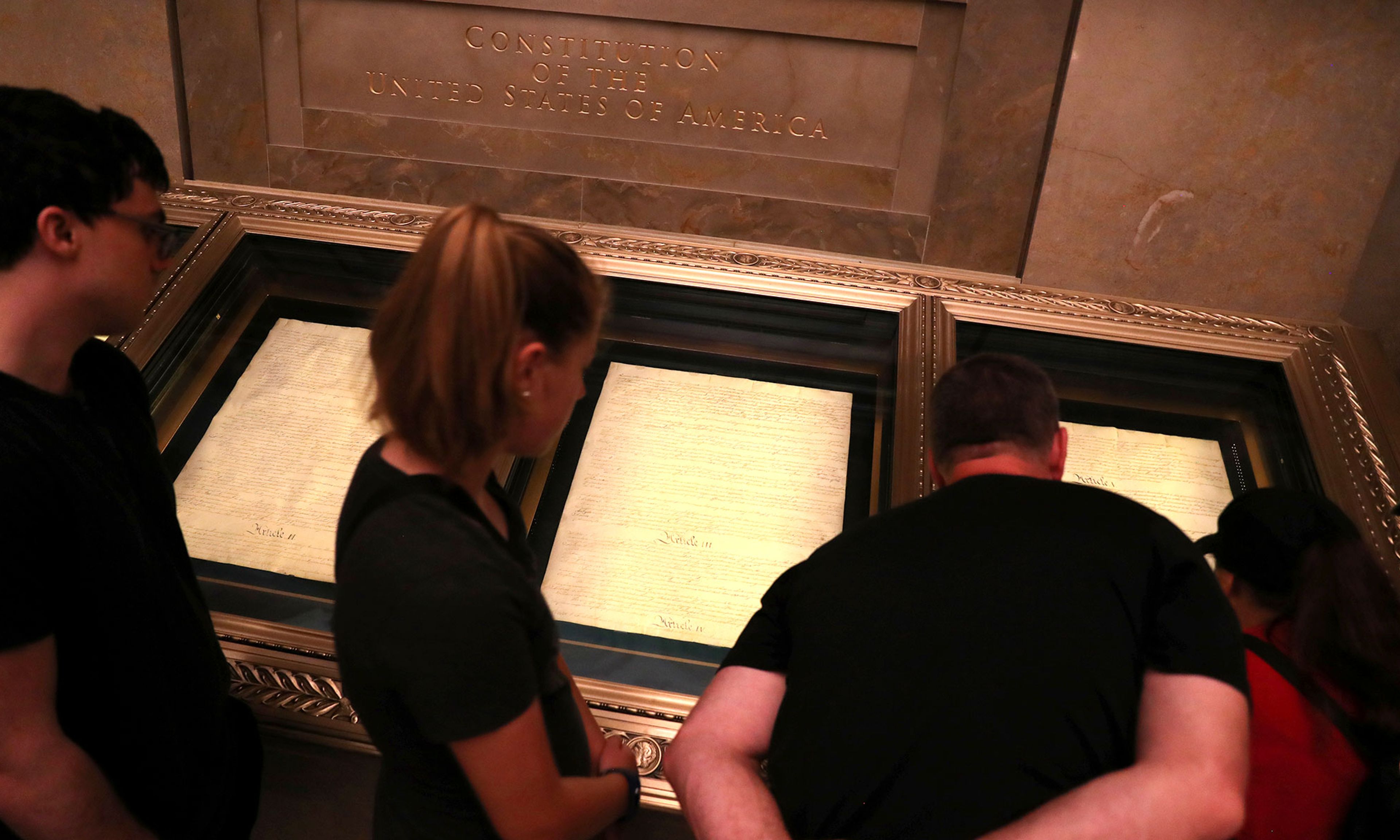
To meet these challenges, American conservatism must first define what precisely it wants to conserve. That project must, ultimately, begin with the Declaration of Independence and the American Constitution and the legal, political, and moral order these documents protect, guarantee, and depend on. Of course, conservatives regularly refer to these documents substantively and rhetorically as the essence of what they are trying to defend against various progressive onslaughts. Those conservative appeals to the American founding vary widely in how and what they draw upon for contemporary meaning and articulation of what it means to be conservative. Some of these appeals overlap with one another and indicate different areas of focus. Others presage clear disagreements.




Comments