Every August 23, Black Ribbon Day commemorates the victims of Europe’s totalitarian regimes. The date marks the anniversary of the Molotov–Ribbentrop Pact, the 1939 agreement between Nazi Germany and the Soviet Union that divided much of Central and Eastern Europe between them. For millions of Europeans, totalitarianism was not an abstraction debated in classrooms. It came to their villages, knocked on their doors, and called them by name.
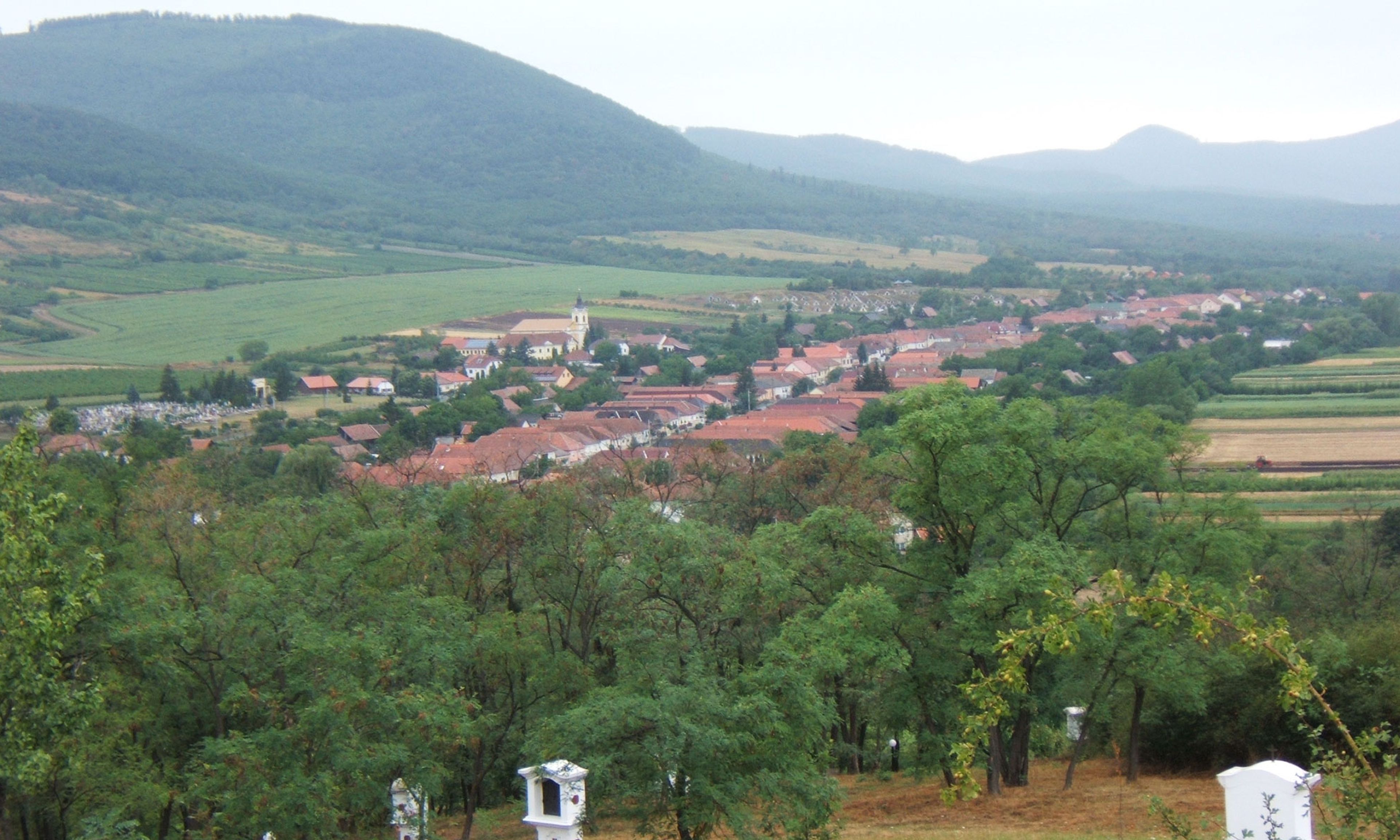
My father was born in a picturesque small village among the vineyards of northeastern Hungary’s Tokaj wine region. It was founded in 1750 by German-speaking Catholic settlers from the Black Forest. They cleared the land, planted vineyards, built stone houses, and raised a church. Swabian by ancestry, Hungarian by homeland, and Christian by faith, they created an orderly and industrious community whose descendants still live there today.




Comments