
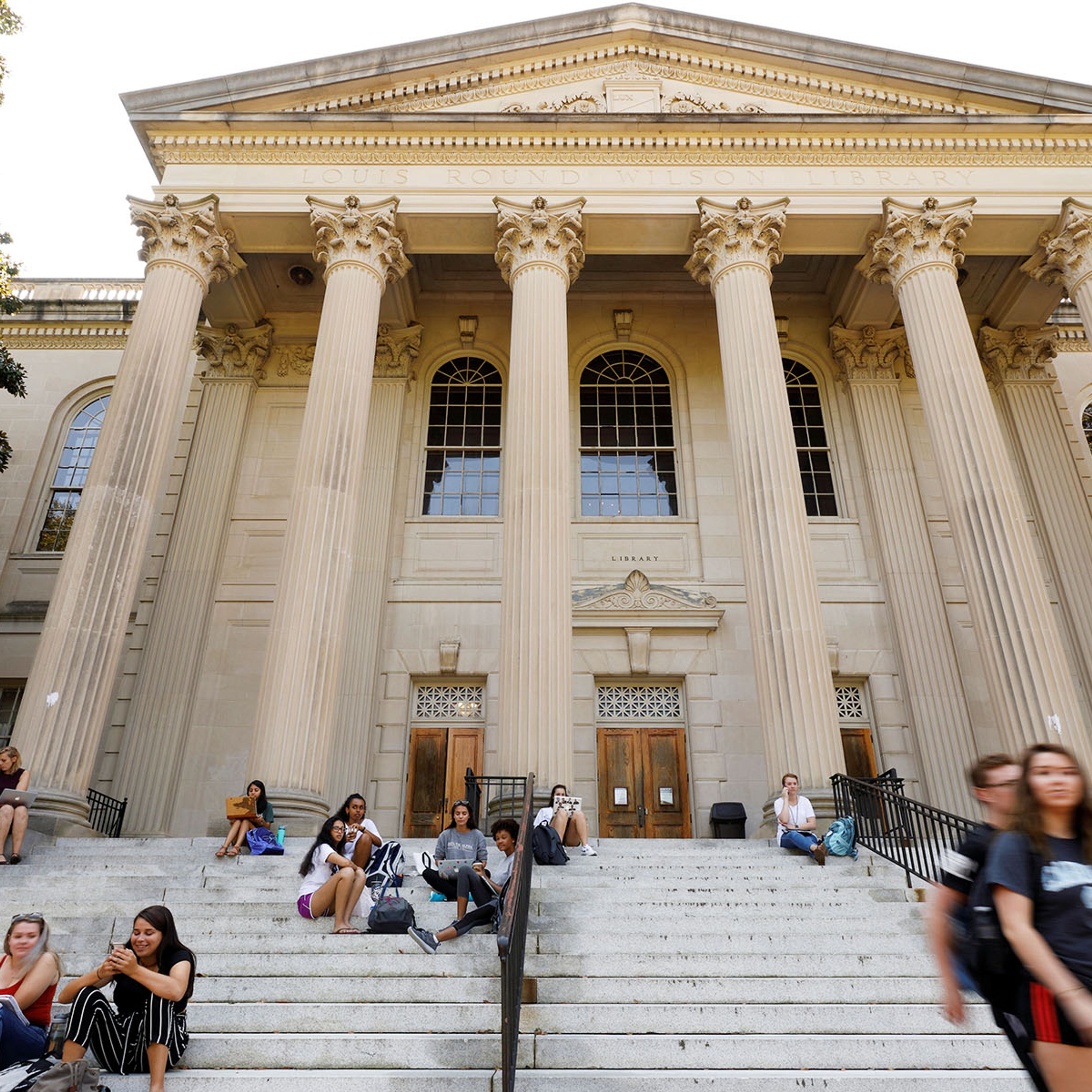
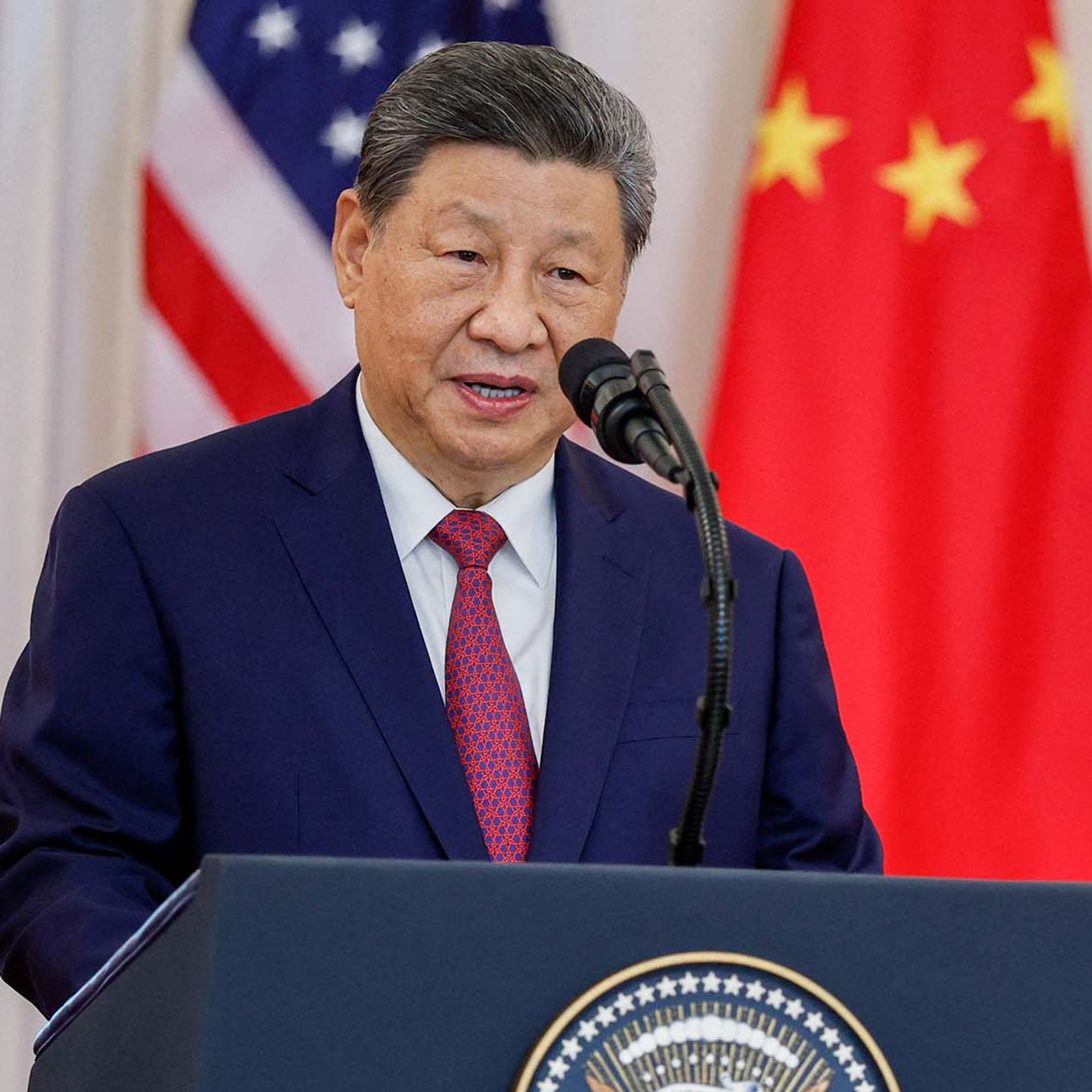
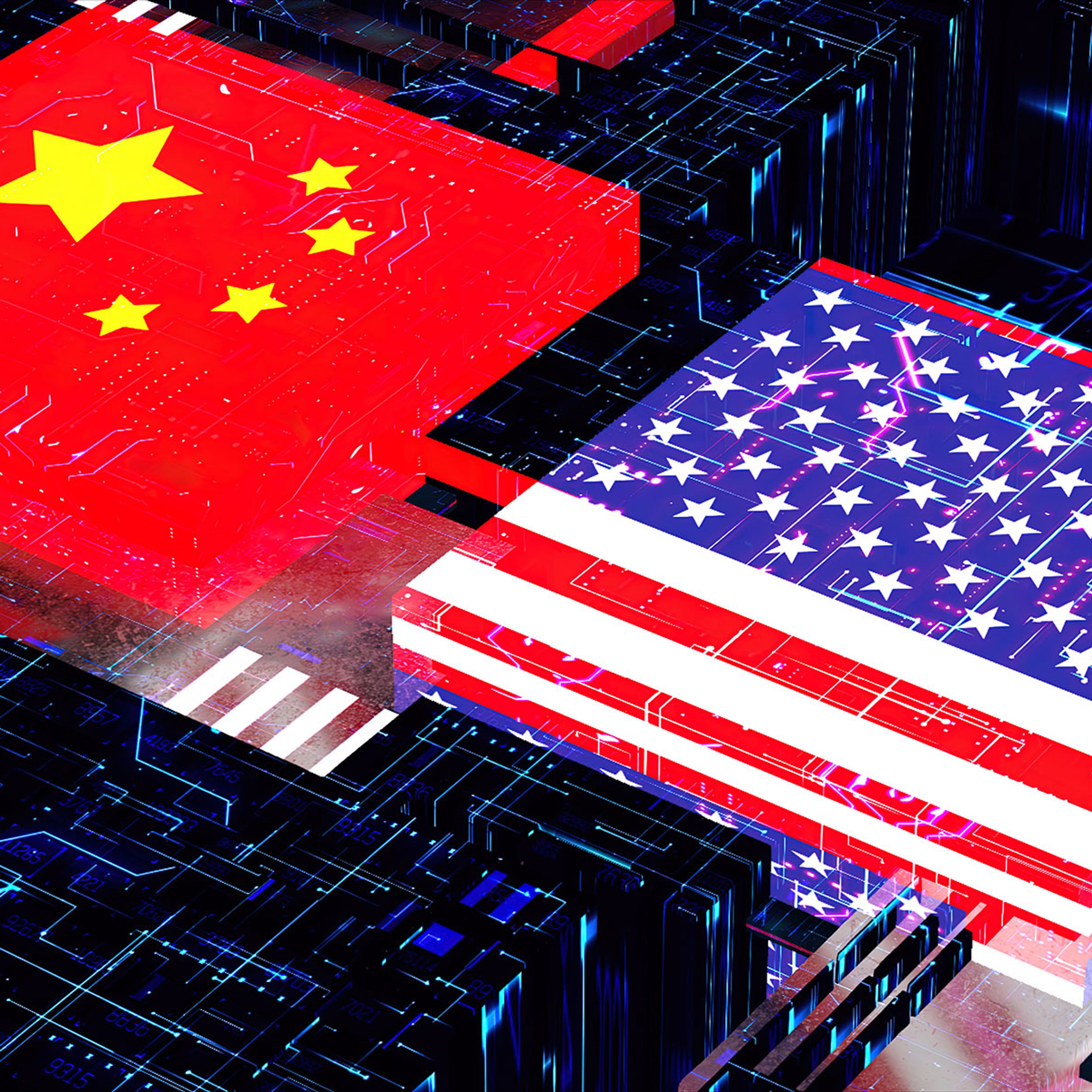
In July 2025, the Trump administration paused export controls on advanced AI chips to China in an effort to restart trade talks. The decision drew criticism from national security circles concerned about China’s expanding tech dominance. Yet a quieter and more enduring pipeline of technological transfer remains largely overlooked: America’s elite universities.
Institutions such as Harvard, MIT, Stanford, and Columbia are global beacons of research and innovation. Their mission statements reflect an ethos of internationalism and academic freedom. Harvard seeks to “inspire every member of our community to strive toward a more just, fair, and promising world,” for example, and Columbia commits to “advancing knowledge and learning at the highest level and to convey the products of its efforts to the world.” These ideals sound noble, and they often are, but they also create blind spots in a rapidly shifting geopolitical landscape.


Comments