When ‘Terrorists’ Aren’t Terrorists: The Danger of Twisting Words to Suit Our Politics

The Capitol-riot probe offers only the latest instance — civil discourse is dying because we’ve given up seeking objective truth.

Share this story

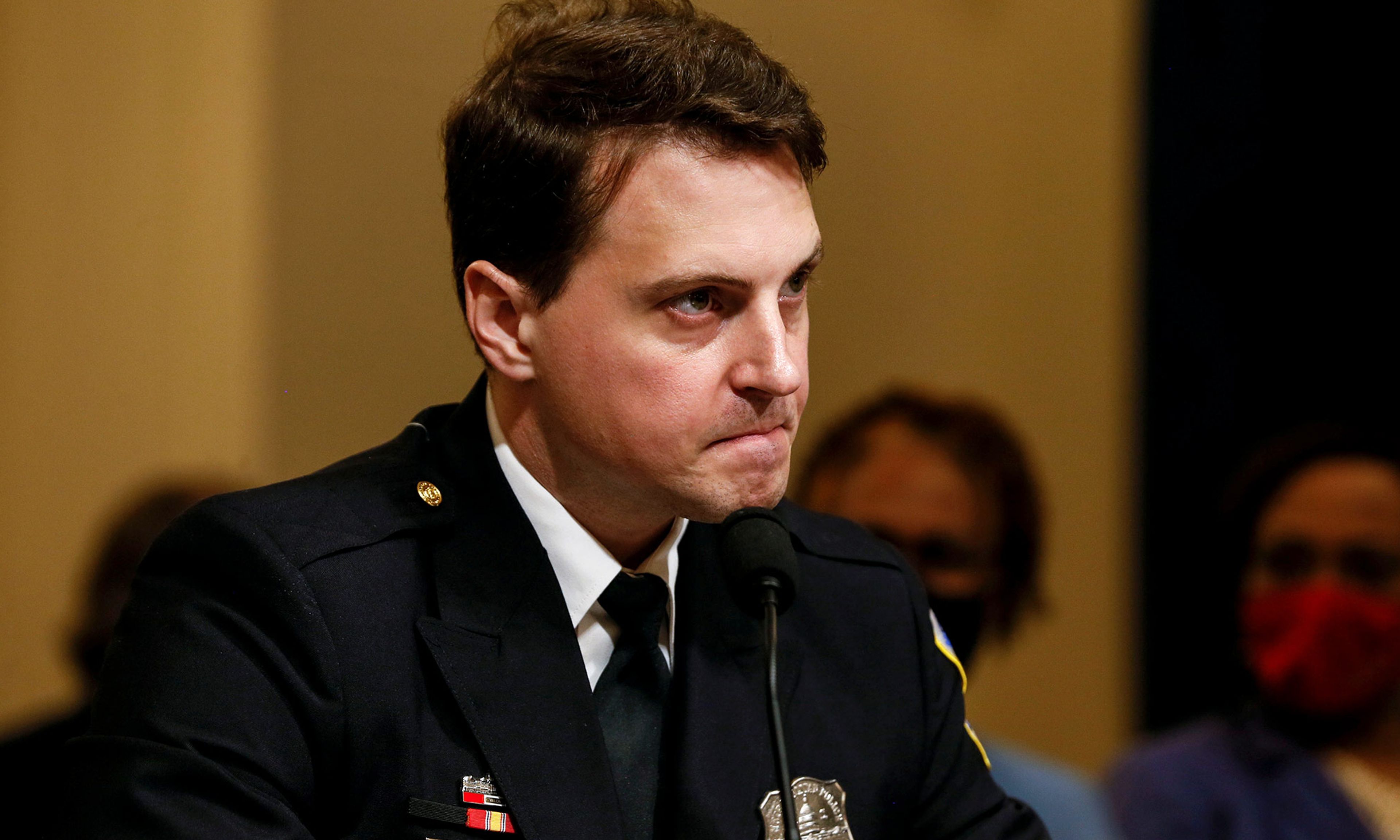
Metropolitan Police Department Officer Daniel Hodges testifies during the opening hearing of the U.S. House (Select) Committee investigating the January 6 attack on the U.S. Capitol, on Capitol Hill in Washington, D.C., July 27, 2021.

Jim Bourg/Pool/Reuters

There are some truths we grasp innately. Others are just truths about words — things that are true because of the way we define them. Let nature take its course, and a pack of dogs will sort itself into the dominant and submissive roles. But a private is not the lowest-ranking soldier by nature. He is subordinate by definition — we’ve defined private as the lowest rank.

This distinction is common in the law. In fact, in the criminal law, the distinction touches on the nature of evil itself. We draw a categorical line between malum in se and malum prohibitum, between what is wrong by nature and what is deemed wrong only because we choose to prohibit it.


Andrew C. McCarthy

About the Author

Andrew C. McCarthy

Andrew C. McCarthy is a senior fellow at National Review Institute, an NR contributing editor, and author of Ball of Collusion: The Plot to Rig an Election and Destroy a Presidency.

Comments

Advertisement

Advertisement


