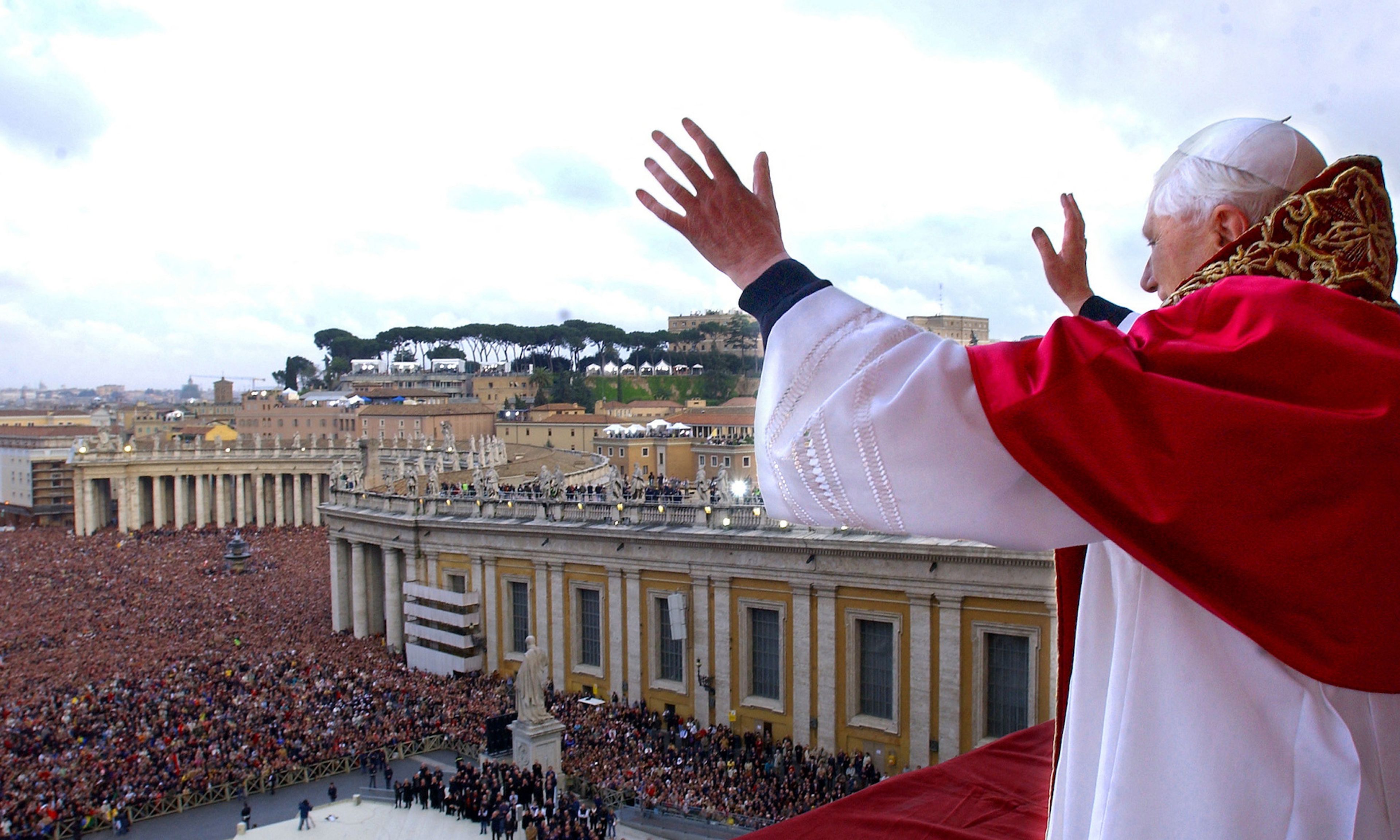
Pope Emeritus Benedict XVI, the most consequential churchman and theologian of this and several preceding eras, died earlier today, December 31, 2022. I predict confidently that he will be one of the only figures of his era to be remembered, celebrated, studied, and beloved in the future.
In the near term, Benedict will be misremembered as a tough-minded reactionary, the “Panzer Cardinal,” when in fact he was a pioneering liberal, frequent innovator, and gentle-souled cleric. He will be mislabeled as a man whose reputation was fatally compromised by the sexual abuse crisis in the Catholic Church, when he was perhaps the sole figure of his era at the top of the church that took on the treacherous responsibility of reform — centralizing the handling of clerical abuse cases in his office and drastically speeding up the process of defrocking criminal priests (a project that has been thrown into reverse by his successor). Benedict will be hailed only for his resignation of the papacy, the first in six centuries, and arguably a great precedent to set, but which was effected at the wrong time. It came many years before he lost his clarity of thought and long before his papacy’s work was complete, or its legacy secured by worthy succession.



Comments