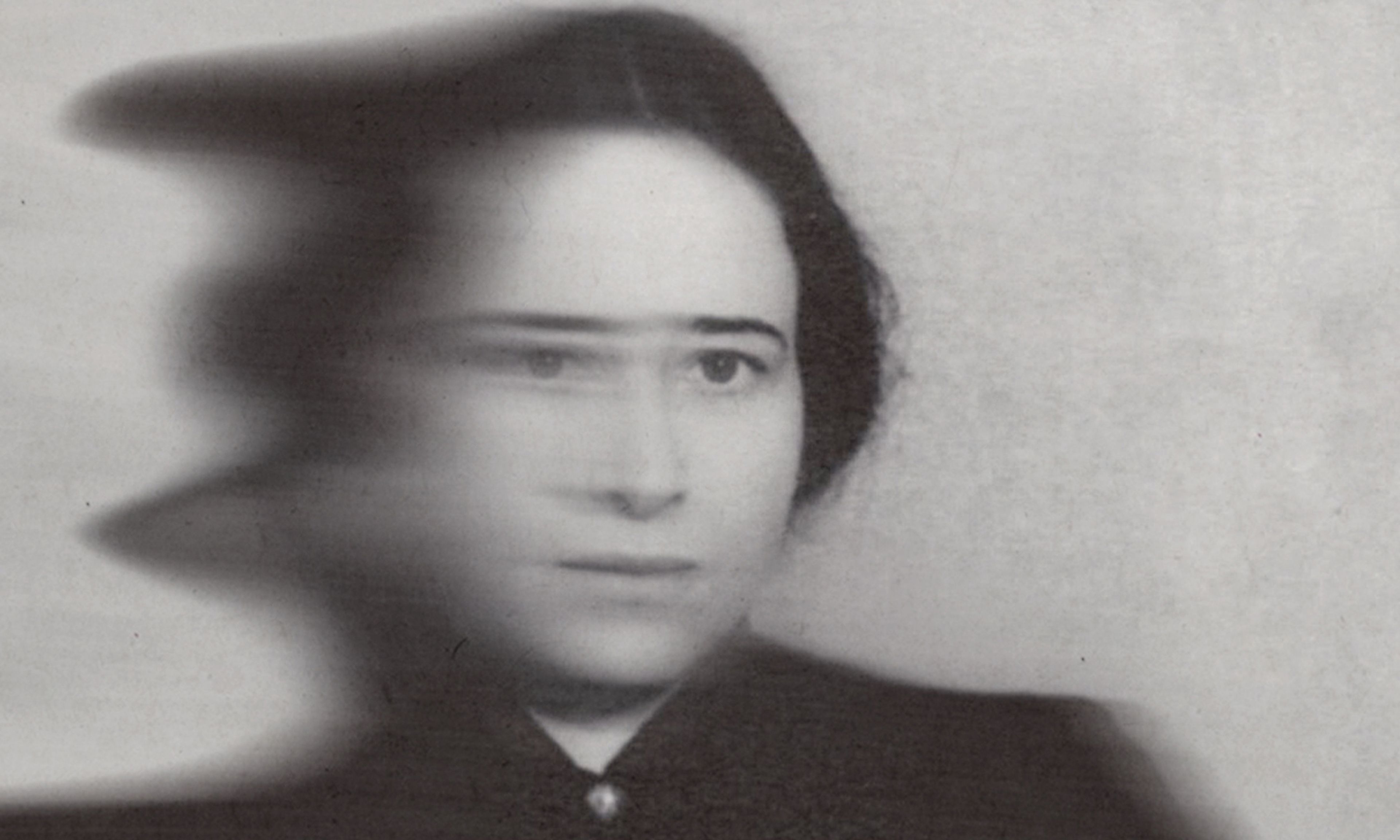
Hannah Arendt was the first American and the first woman to win the Sonning Prize, which she received in Copenhagen in 1975 for her contribution to European civilization. What an irony, she said, for a Jewish woman arrested and rendered stateless by Germany and put in a detention camp in France to be recognized for her contributions to the European world that had spat her out. Arendt wondered why someone “who is neither a public figure nor has the ambition to become one” would be chosen for such an honor.
For someone who so prized her privacy, Arendt’s contemporary renown is unexpected — Isaiah Berlin dismissed her as an overrated journalist who would quickly be forgotten. How wrong he was. She is the subject of numerous documentaries and a popular 2013 biopic, streets are named after her, and her quotable insights — both real and fake — fly around the internet. For over 40 years, the standard intellectual biography has been Hannah Arendt: For Love of the World, by Elisabeth Young-Bruehl, Arendt’s doctoral student at the New School. Arendt’s circle granted Young-Bruehl access to Arendt’s oldest friends as well as intimates from her New York circle, including Mary McCarthy. As Young-Bruehl explained, she told Arendt’s life as Arendt herself experienced it: as a stateless Jewish refugee who made it to the United States, became known at 45 years of age for The Origins of Totalitarianism, and became controversial after her report on the trial of Adolf Eichmann. Young-Bruehl also revealed certain secrets: for example, that Arendt had an affair with her professor Martin Heidegger. For Love of the World won the Alfred Harcourt Prize for Biography in 1983.










Comments