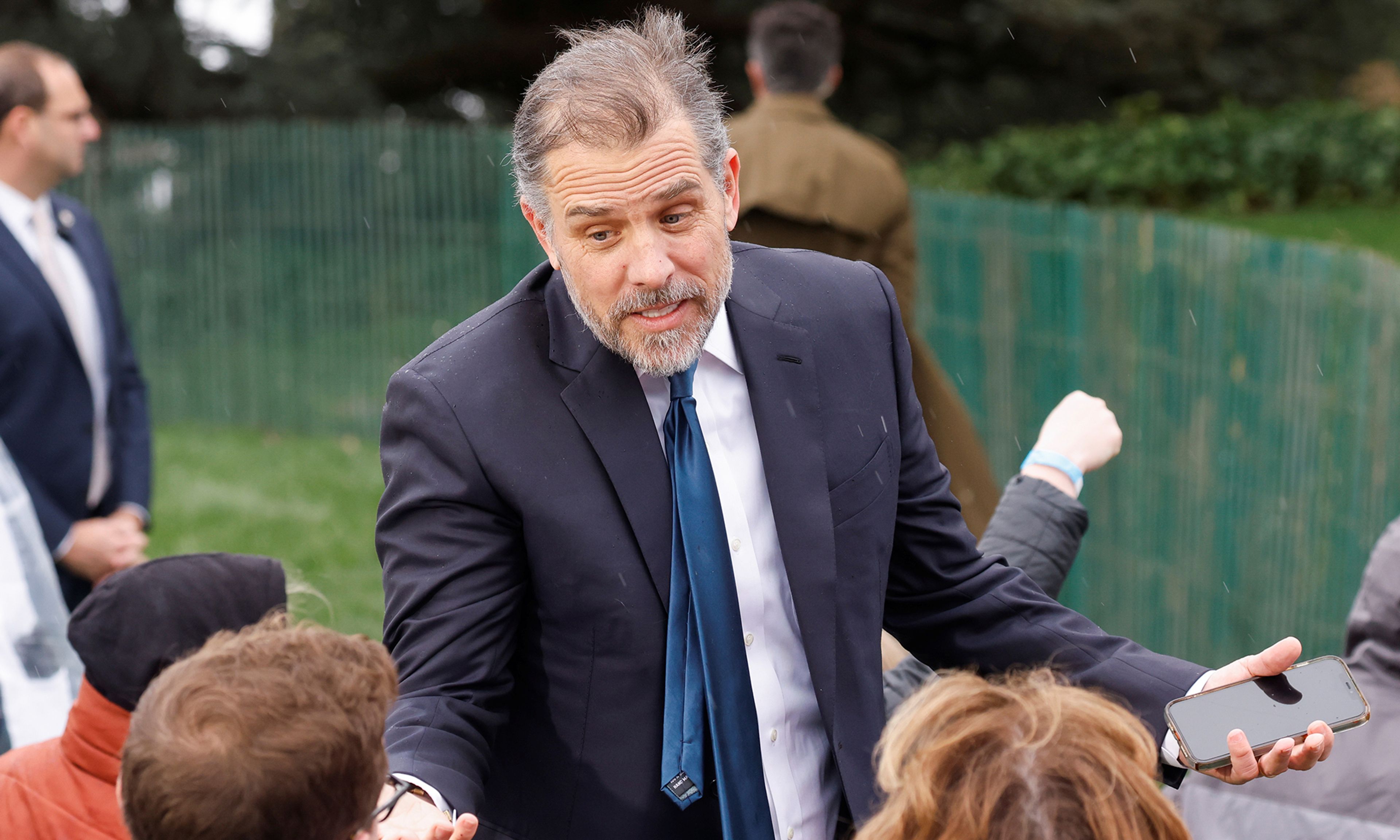
Yunis Isaac Mejia is in federal prison. Hunter Biden is not. Americans who wonder aloud why their compatriots remain so habitually skeptical toward stricter federal gun-control laws need look no further than that to understand why.
Earlier this month, a former 911 dispatcher named Yunis Isaac Mejia was sentenced to 21 months in jail for having attached a buttstock to a pistol. Under the terms of the 1934 National Firearms Act, any firearm that has both a stock and a barrel shorter than 16 inches in total length must be classed as a “short-barreled rifle,” obligating the owner to federally register it and pay a $200 tax. In the course of his conversations with an FBI informant, Mejia made it clear that he understood the contours of this law — and that he had even followed it before — but that he did not wish to bother doing so with this particular firearm because he was not a “criminal” and did not want to “pay the government two hundred extra dollars just to put pieces of metal together.” For this, he was arrested and charged with a felony.




Comments