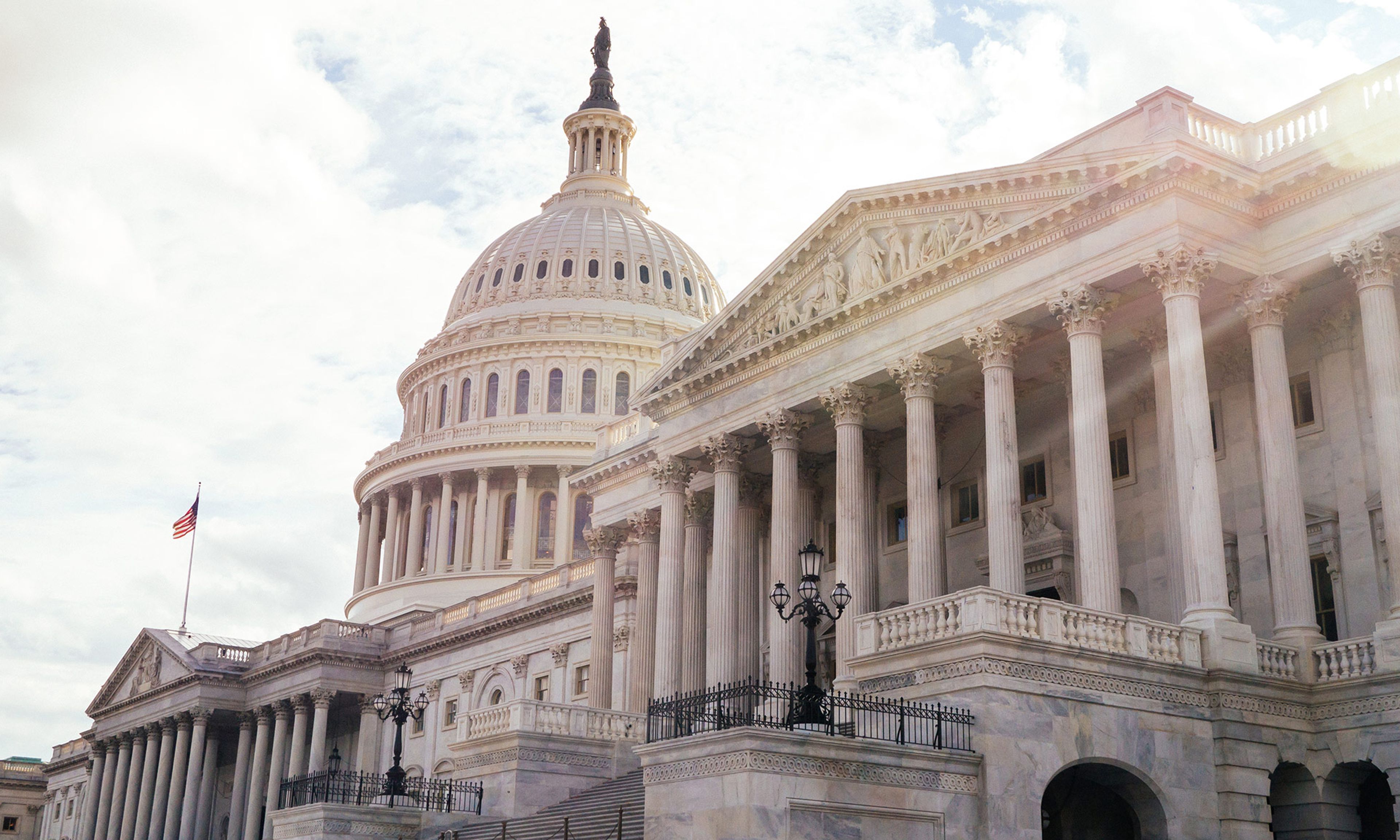
Egged on once more by the ambitions of Lady Macbeth, Joe Biden has weakened his commitment to the filibuster. It now falls to two members of his party, Joe Manchin of West Virginia and Kyrsten Sinema of Arizona, to save the Senate as we have known it.
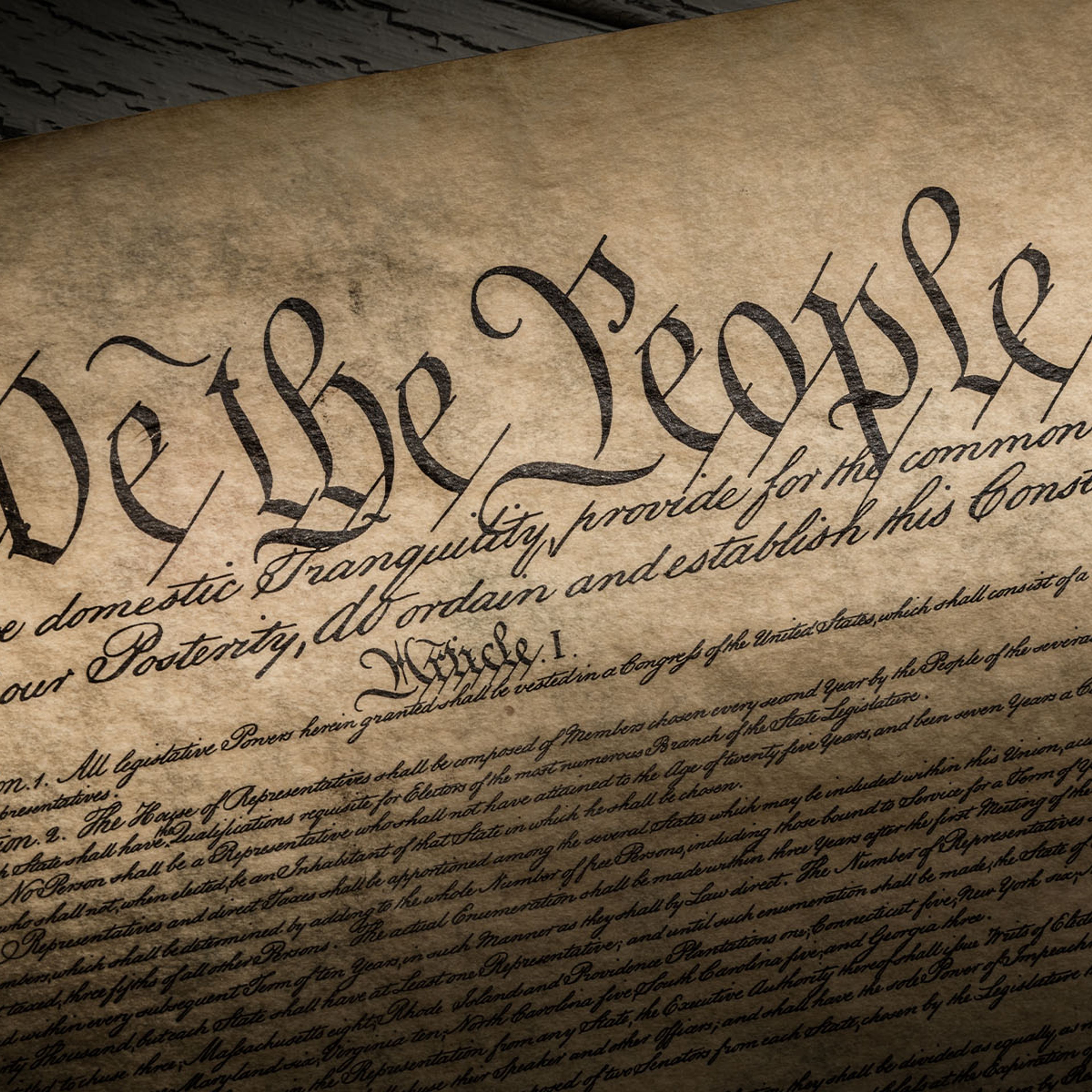
And save it they most assuredly should. The two most frequent criticisms of the Senate filibuster are that it is “not in the Constitution” and that it is “undemocratic.” On a superficial level, both of these charges seem correct. And yet, when one gives them a little more thought, one soon realizes that there is a great deal more going on here than meets the partisan eye. Indeed, when one gives them a little more thought, one realizes that, far from subverting our system of government, the contemporary filibuster plays a vital role in its preservation.




Comments