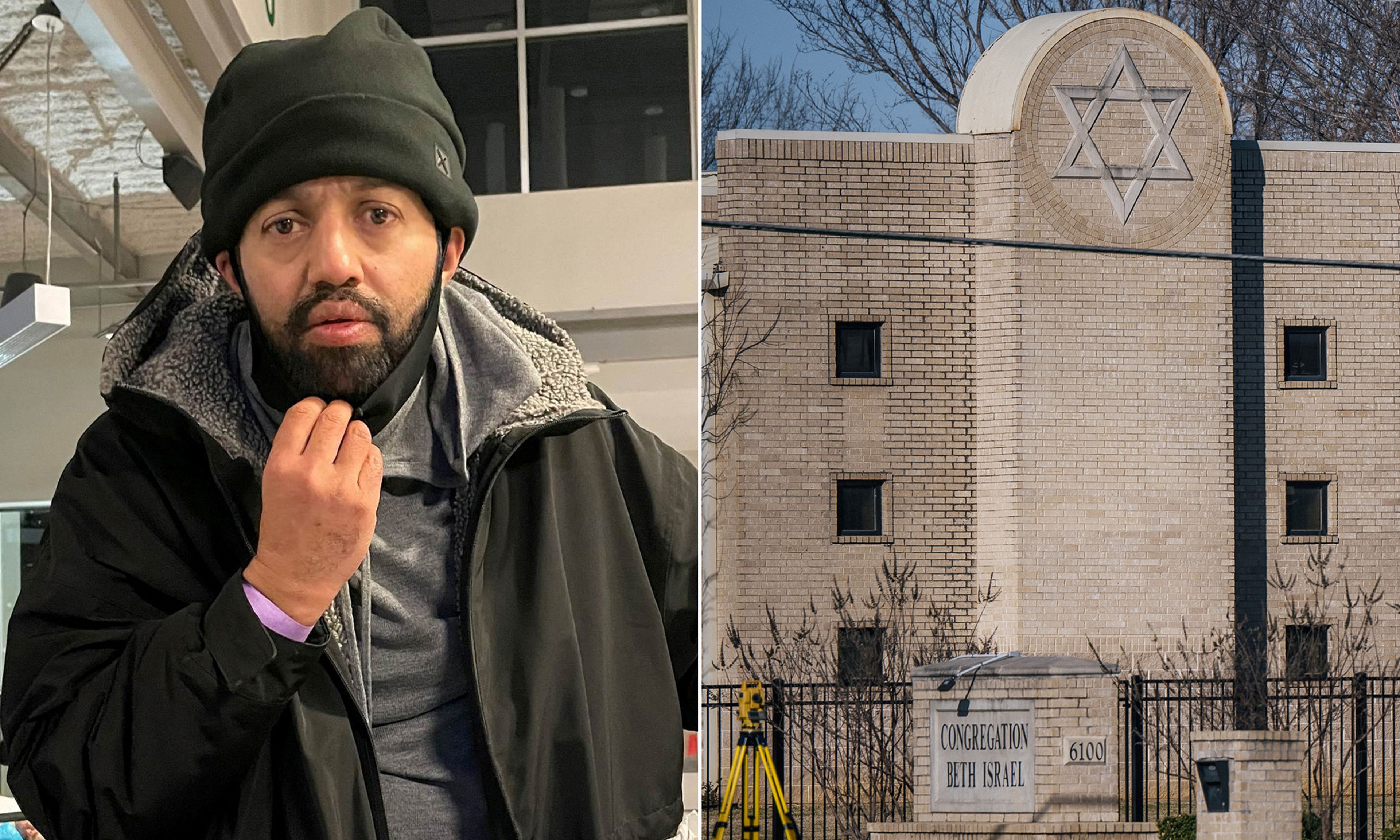
While critical of the FBI in a column yesterday, I argued that we should cut the bureau some slack. Its Hostage Rescue Team (HRT) had performed bravely in bringing the Texas synagogue hostage crisis to a successful conclusion. The hostages escaped unharmed. The lone fatality was of Malik Faisal Akram, the British jihadist who had created the lethal risk and who’d been shot under circumstances that suggested his capture alive was unlikely.
Americans, particularly Jewish Americans, were justifiably nettled by agent Matthew DeSarno, who heads the FBI’s Dallas field office and who ridiculously claimed that Akram’s plot was “not specifically related to the Jewish community.” In his tin-eared way, however, DeSarno appeared to be conveying that Akram’s main objective was to extort our government into releasing convicted terrorist Aafia Siddiqui from custody, and reassuring Jewish communities across the country that the bureau does not believe that there’s a broader ongoing conspiracy to attack synagogues.




Comments